How to Tell if a Roofer is Lying to You
Learn how to identify dishonest roofers and protect yourself. Spot red flags and verify legitimacy to avoid contractor fraud.
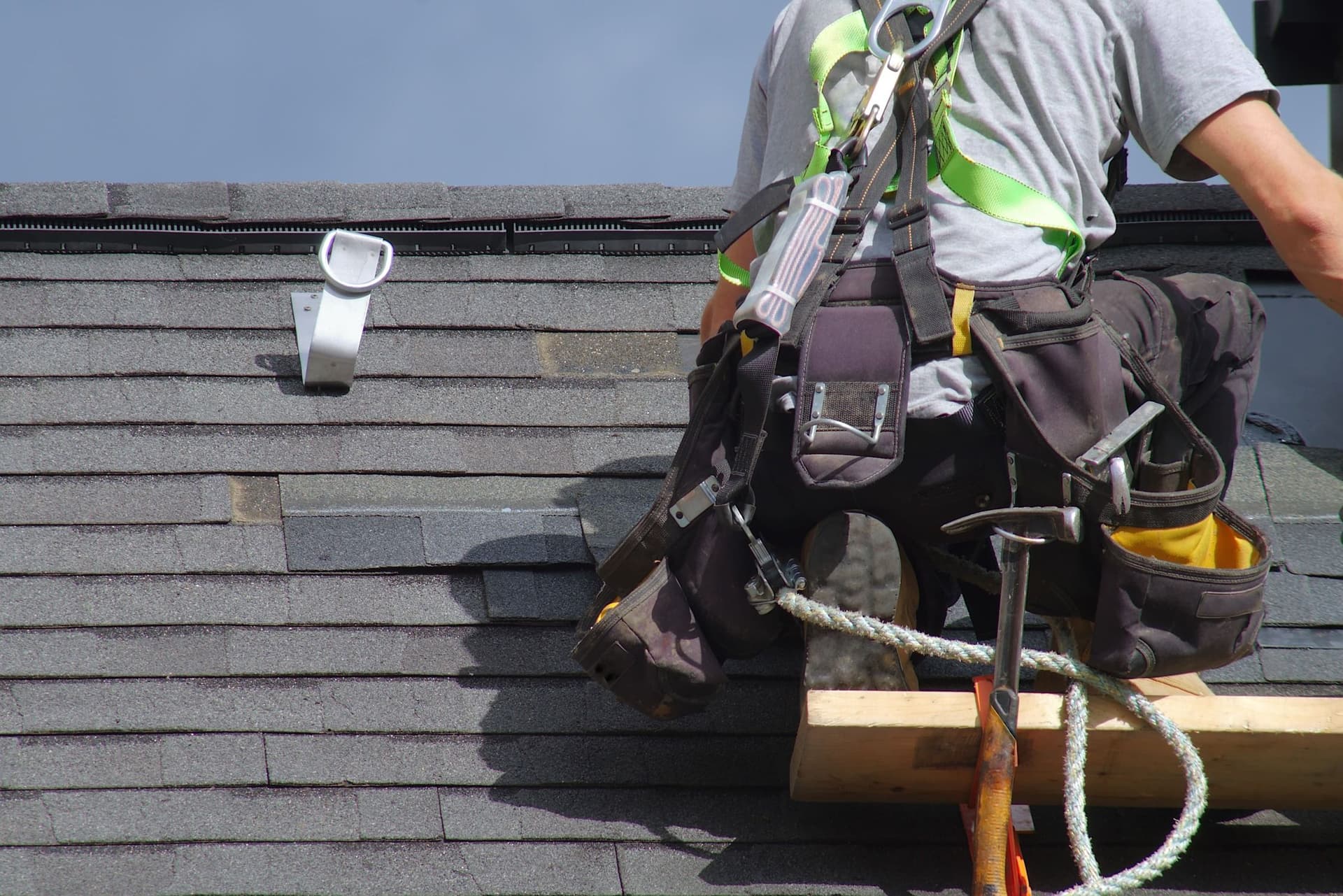
Here's the honest truth: the roofing industry has a fraud problem. Not every contractor out there is playing it straight, and because most homeowners only deal with their roof once every decade or two, it's easy to get taken advantage of by someone who knows exactly what they're doing.
The good news? The red flags aren't hard to spot once you know what to look for. We put this guide together because an educated customer is a protected customer, and frankly, when homeowners can tell the difference between a professional and a scammer, the whole industry gets better.
The scale of the problem: $1 Billion+Paid Out on Fraudulent Roof Claims Every Year
The FBI estimates insurance carriers pay over $1 billion annually on fraudulent roofing claims alone. That cost doesn't disappear — it gets passed directly to homeowners through higher premiums.
Source: Roofing Contractor Magazine / FBI • Contractor fraud reports increased 38% from 2023 to 2025 (NICB, 2026)
Red Flags & Deceptive Tactics
Keep your eyes open for these classic warning signs. If you see two or more of them in the same conversation, trust your gut and keep shopping.
Door-to-Door Storm Chasing: Someone knocks on your door right after a storm claiming they "noticed some damage while driving by." Convenient timing. Reputable contractors don't need to solicit door-to-door, and anyone pushing you to sign paperwork before an actual inspection should be shown the door, not your roof.
Offering to Waive Your Deductible: This one sounds like a deal. It is not. In most states, waiving or paying your insurance deductible is insurance fraud, plain and simple. If they're willing to commit fraud against your insurer, ask yourself what else they're willing to do.
Vague or Lump-Sum Estimates: A professional scope of work breaks down every line item: tear-off, underlayment type, flashing, ventilation, disposal. If you get a bid that's one big number with zero explanation, they're either hiding surprise costs or planning to figure it out as they go. Neither is good.
Demanding Large Upfront Cash Payments: A modest deposit of 10% to 20% to cover initial materials is perfectly normal. Demanding 50%, 100%, or cash-only before a single nail is driven? That's a contractor who may never come back. Full payment upfront is one of the fastest ways to fund someone's disappearing act.
Exaggerated or Invented Damage: Some contractors will tell you that you need a full replacement when a repair would do the job. Always ask for dated photographic evidence from the inspection. If they can't show you exactly what they found and why it requires the work they're proposing, that's a serious problem.
Refusing to Show Credentials: Any licensed, insured contractor should hand over proof of their state contractor's license, general liability insurance, and workers' compensation coverage without hesitation. If they stall, deflect, or say "we can get that to you later," end the conversation.
How to Verify a Roofer's Legitimacy
You don't have to take anyone's word for it. Here's how to do your own homework in about ten minutes.
✓ Check Their License: In California, every licensed contractor has a number you can verify instantly through the CSLB. Don't just ask for the number — look it up yourself.
✓ Call Their Insurance Carrier: Ask for a certificate of insurance, then call the carrier directly to confirm the policy is active. Certificates can be faked. A phone call cannot.
✓ Look Them Up on BBB and Google: Look for a physical local office and branded company vehicles. Out-of-state plates or unmarked trucks on a job site are worth noting.
✓ Ask for Local References: Request contact info for recent customers in your area, then actually call them. Ask about punctuality, communication, cleanup, and whether the final bill matched the estimate.
✓ Get a Second Opinion: If a bid feels off, get another one. A reputable contractor will understand completely. A sketchy one will pressure you to sign before the offer expires.
"The best time to vet your roofer is before you need one. The second best time is right now."
See What Verification Looks Like
Here's a live example. TMH Roofing is fully licensed with the California Contractors State License Board. You can verify it right now using the button below, no phone call required.
TMH Roofing, Inc. | CA License CLB #967811
That's all it takes. Any contractor who hesitates to give you a license number to look up shouldn't be on your roof.
The Bottom Line
Your roof protects everything underneath it. It's not the place to gamble on the lowest bidder with the best sales pitch. A little homework before you sign anything can save you thousands of dollars and a serious headache.
At TMH Roofing, we've been doing this for over 30 years in Southern California. We show up on time, we put everything in writing, and we don't disappear after the check clears. We're not the flashiest company in the Inland Empire, but we are one of the most reliable, and we're happy to let our license number, our insurance, and our customers speak for themselves.
Helpful Links & Resources
🔗 California CSLB License Lookup Verify any California contractor's license number instantly, free, no login required.
🔗 CSLB: Hiring a Contractor Guide Official state guidance on hiring licensed contractors and avoiding fraud in California.
🔗 NICB: Contractor Fraud Awareness (2026) The National Insurance Crime Bureau's latest data on contractor fraud trends and how to protect yourself.
🔗 California DOI: Storm Damage & Insurance Claims California Department of Insurance guidance on storm damage claims and contractor fraud.
🔗 Better Business Bureau: Roofing Contractors Look up BBB ratings and complaint history for roofing companies in your area.
🔗 NRCA Consumer Roofing Information National Roofing Contractors Association resources and tips for hiring a qualified roofer.