Attic Fan Removal, O'Hagin Vent Install, and Shingle Repairs Done Right
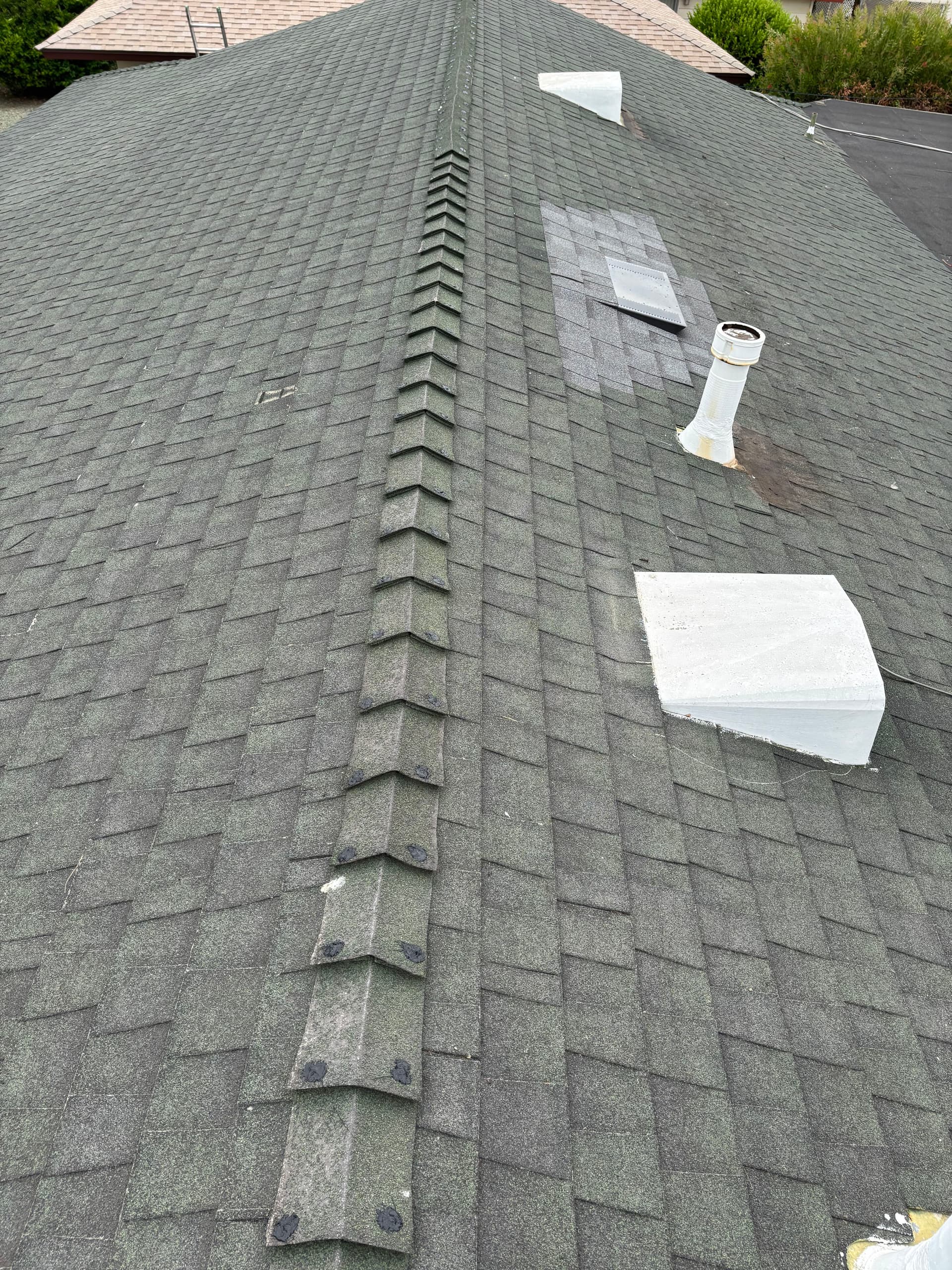
Most homeowners don't think twice about their attic fan until something goes wrong. Old attic fans can fail, create penetration points that let moisture in, and leave your attic without proper ventilation when they stop working. That's exactly the situation we were dealing with on this job.
We started by removing the old attic fan and coordinating with a licensed electrician to handle the electrical side safely - no shortcuts there. Once that was taken care of, we installed a new O'Hagin attic vent with proper flashing. O'Hagin vents are a solid choice because they sit low-profile against the roof surface, allow airflow without creating a big opening for water intrusion, and are built to last. Proper flashing around any penetration is non-negotiable - that's where a lot of leaks start.
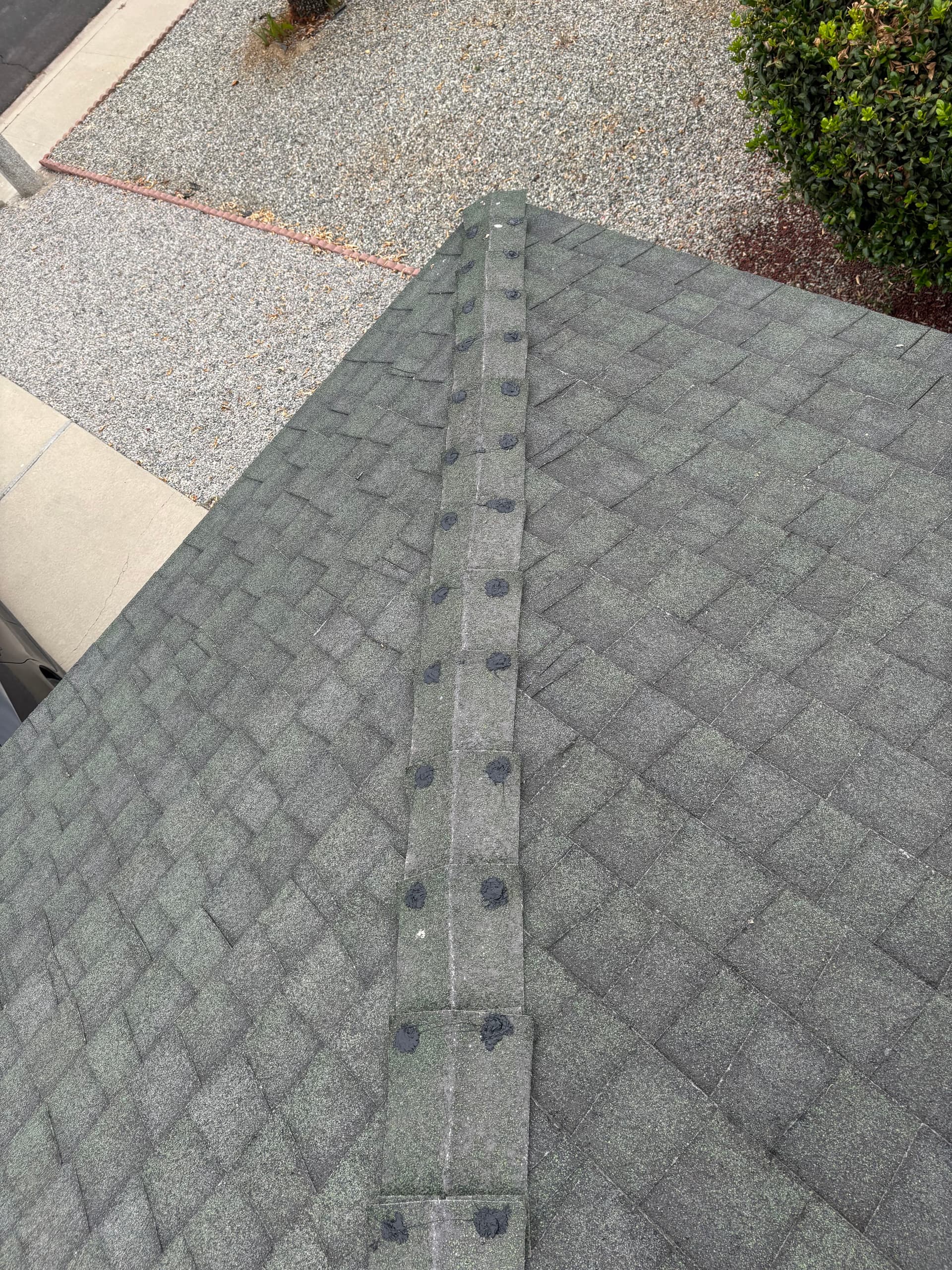
We didn't stop there. Damaged shingles got replaced, exposed nail heads got sealed, and the vent pipes were resealed. These are the kinds of small details that get skipped when someone is just trying to get in and out fast. But left alone, exposed nails and dried-out pipe seals are some of the most common sources of slow leaks.
This is what roof maintenance is really about - catching the weak spots before they turn into water damage inside your home. A good roof inspection doesn't just look at the big picture. It gets into the details, the penetrations, the flashings, the fasteners. That's where problems hide.
Every repair we made on this roof was done to protect what's underneath it. Asphalt shingle roofing holds up well when it's maintained properly, and jobs like this one are a good example of how the right repairs - done thoroughly - extend the life of a roof significantly.