Eagle S Terra Cotta Tile Roof Repair Done Right
Terra cotta tile roofs are built to last a long time. But that doesn't mean they're maintenance-free. Over time, tiles shift, crack, and mortar starts to break down - and when that happens, water has a way of finding every gap it can.
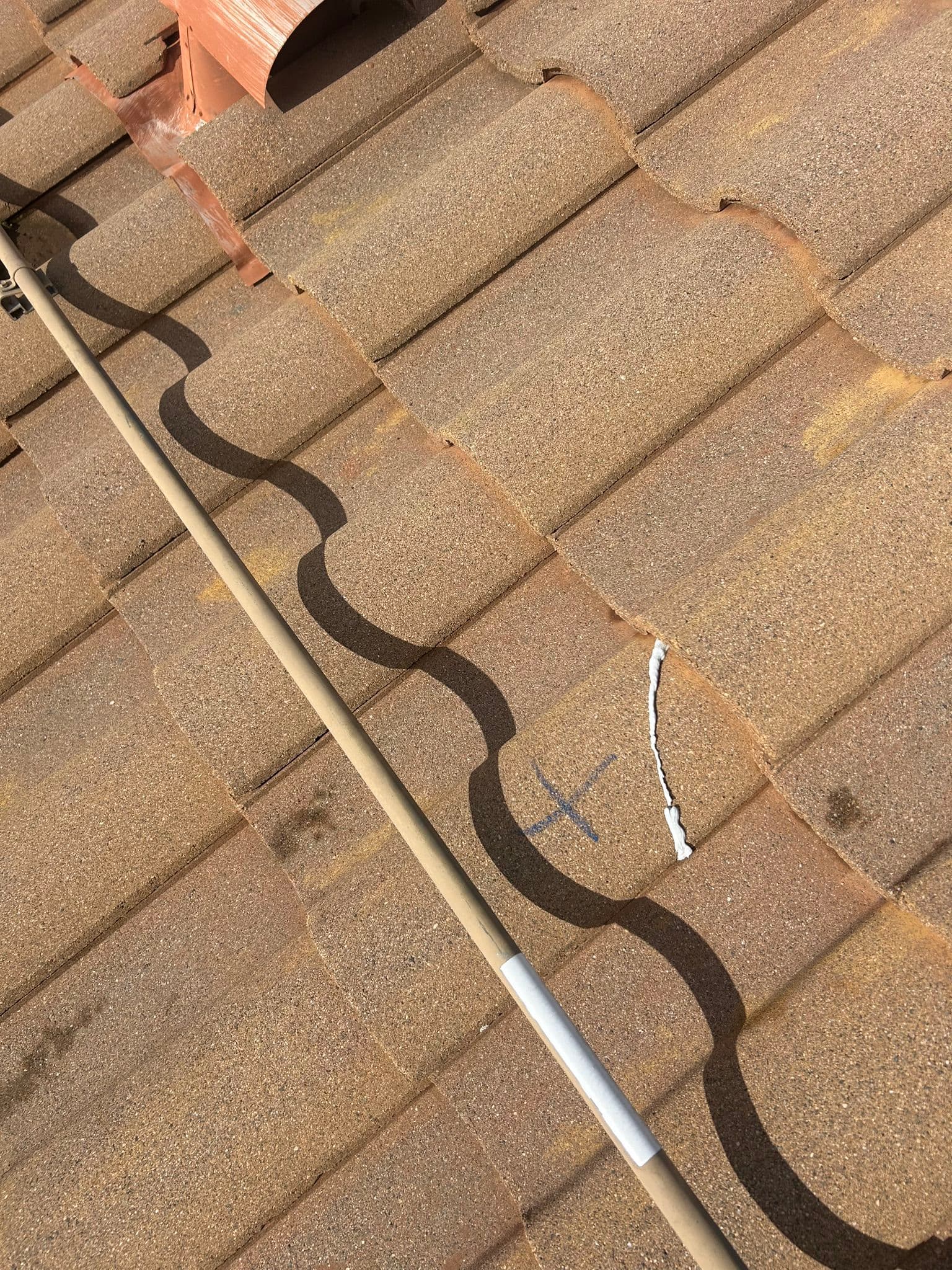
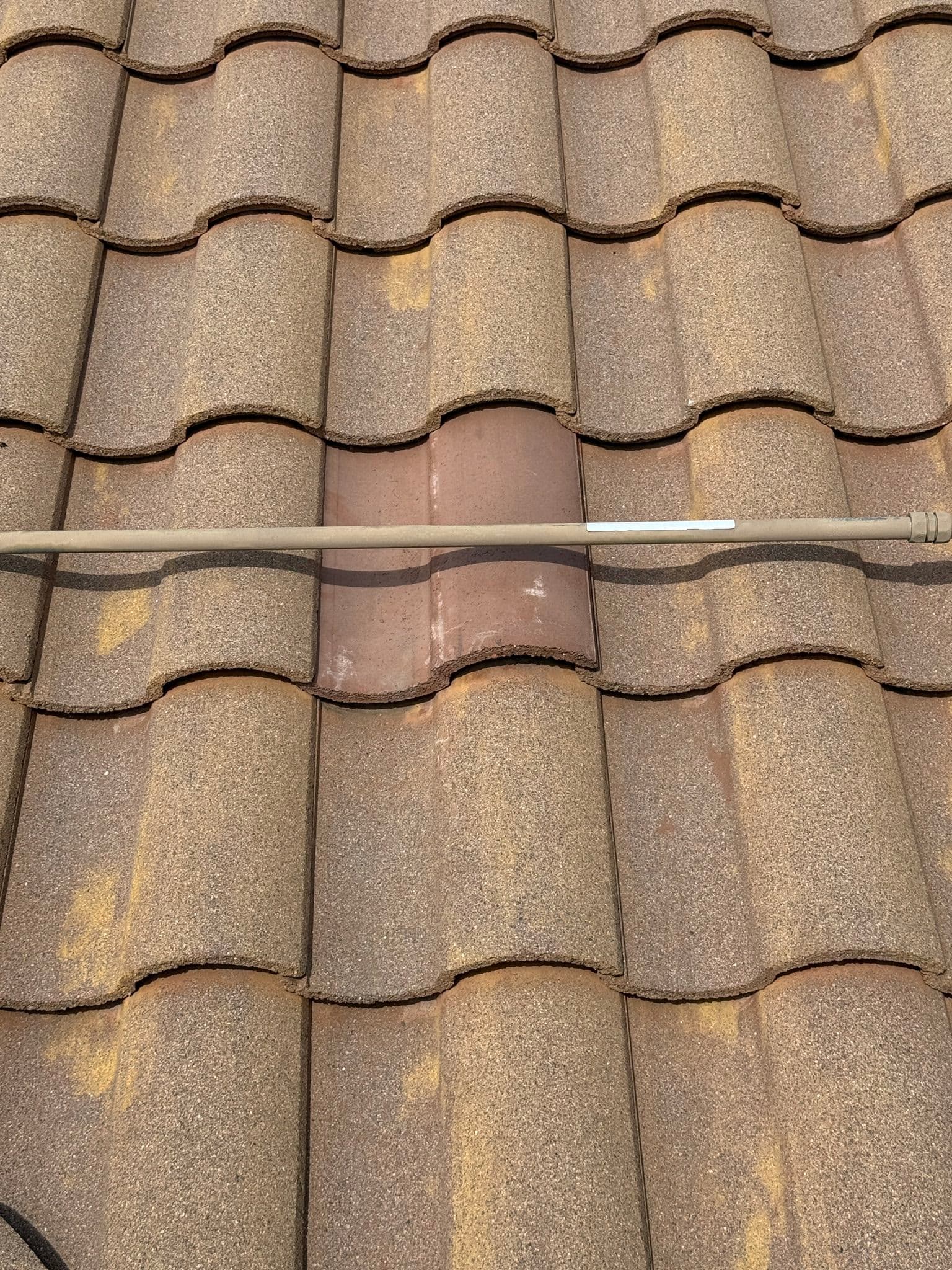
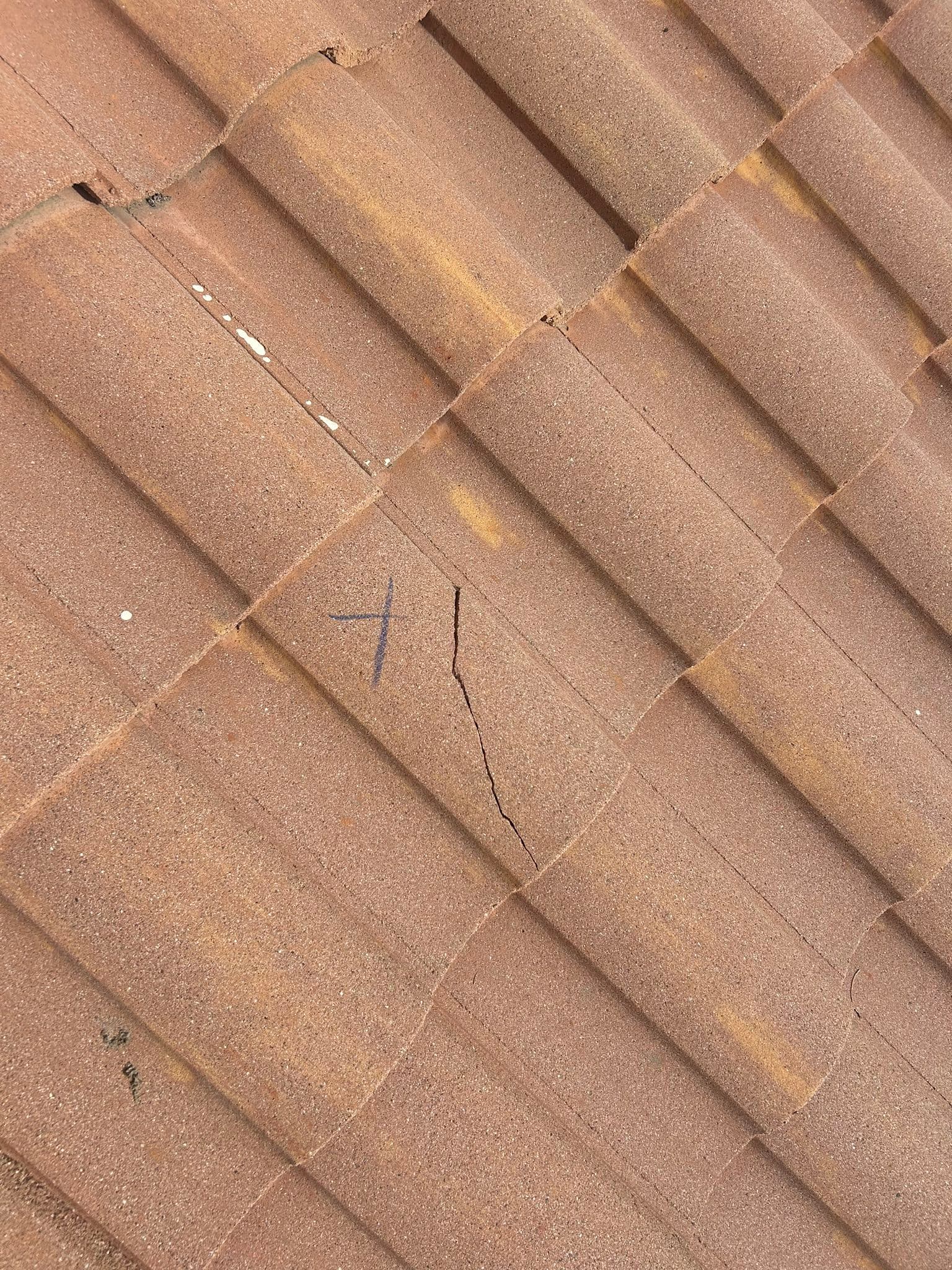
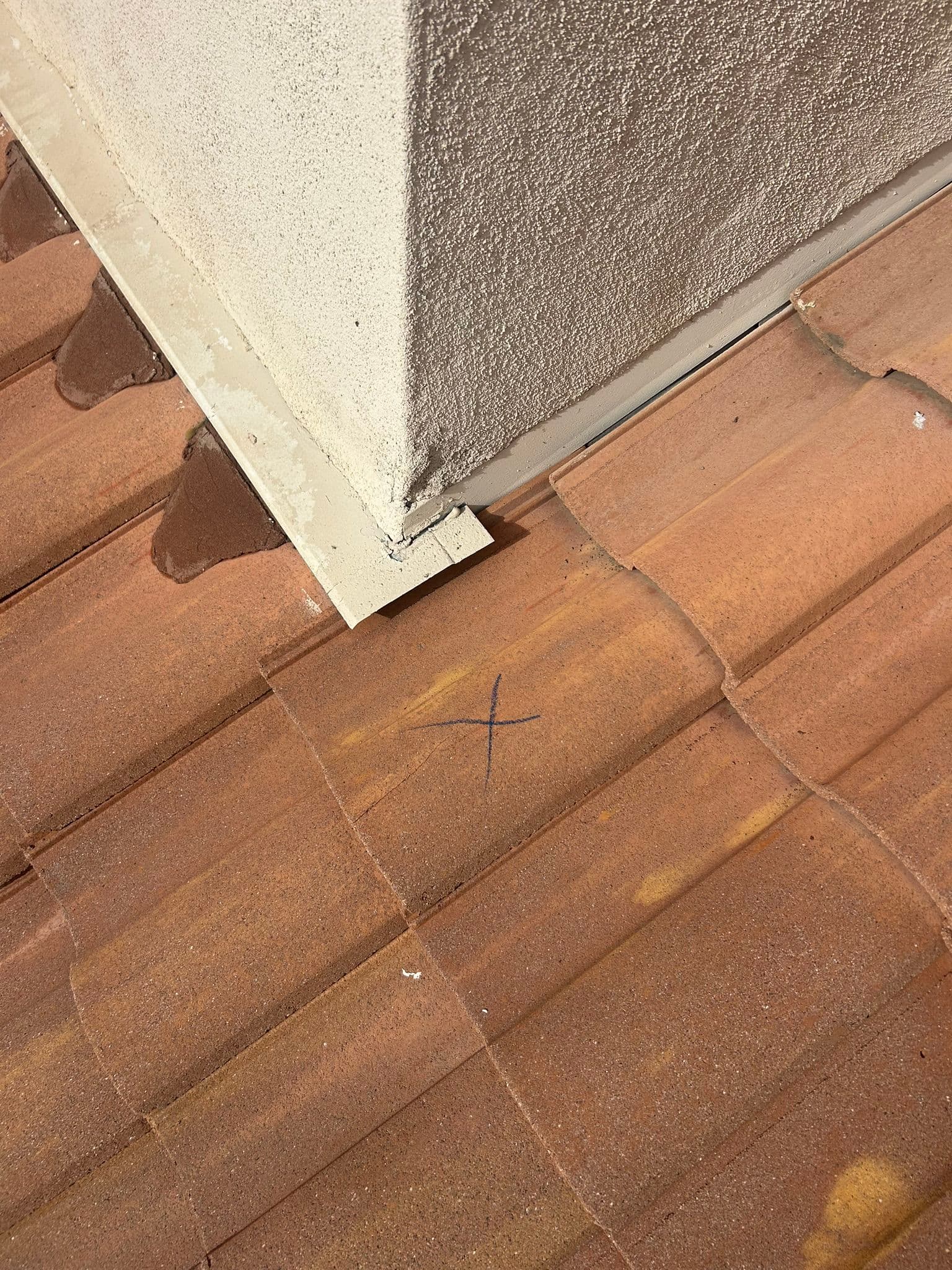
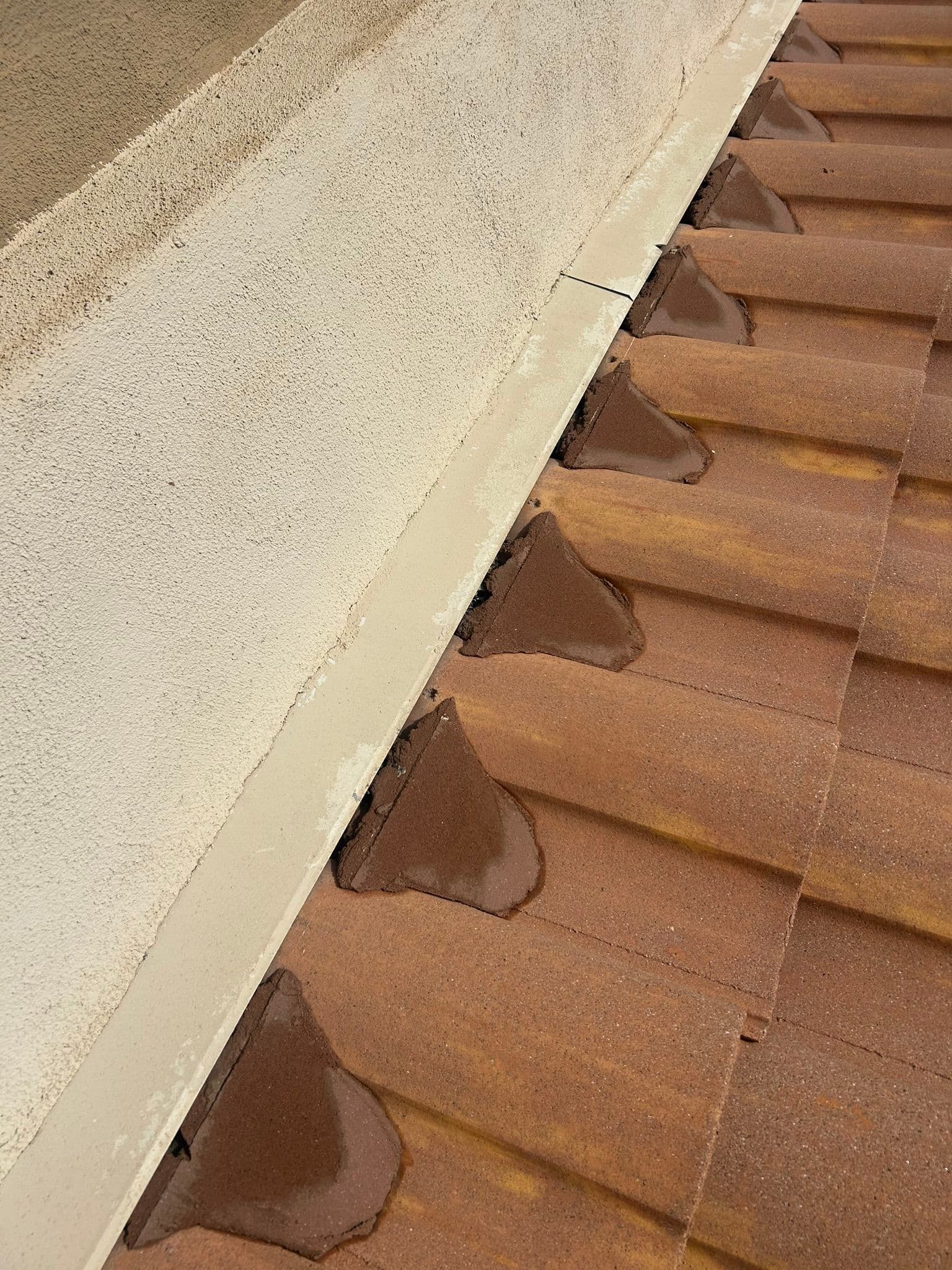
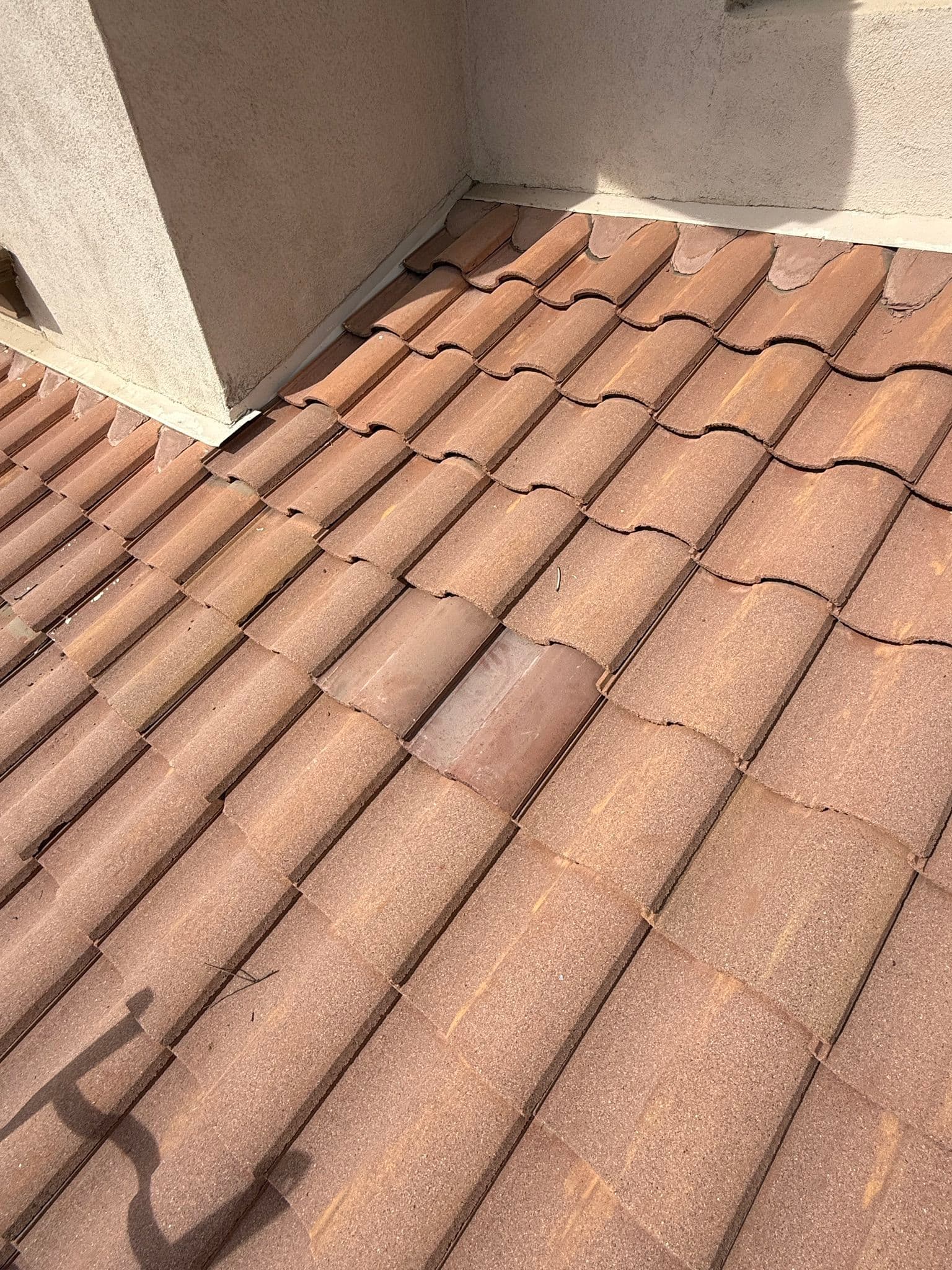
On this Eagle S tile roof, we went through the whole surface and flagged everything that needed attention. Slipped tiles that had moved out of position. Cracked tiles that were marked and pulled for replacement. Mortar that had dried out and started separating. Flashing at the wall connections where gaps were beginning to open up - exactly the kind of spots that lead to leaks if you leave them alone.
This is the type of roof repair work that doesn't always look dramatic from the street, but it matters a lot. Each one of those weak points is a potential entry for water. Fix them now, and you're protecting your decking, your insulation, and your ceilings from damage that costs a lot more to deal with later.
What we did here is pretty standard for a thorough tile roof repair - secure what's loose, swap out what's cracked, reseal the mortar, and tighten up the flashing. Nothing overcomplicated. Just methodical work done the right way. That's what a solid roof inspection turns into when you take it seriously.
If you've got a tile roof and you're not sure what kind of shape it's in, it's worth getting eyes on it before a small issue becomes a big one.