Missing Roof Tiles Are an Open Invitation for Water Damage
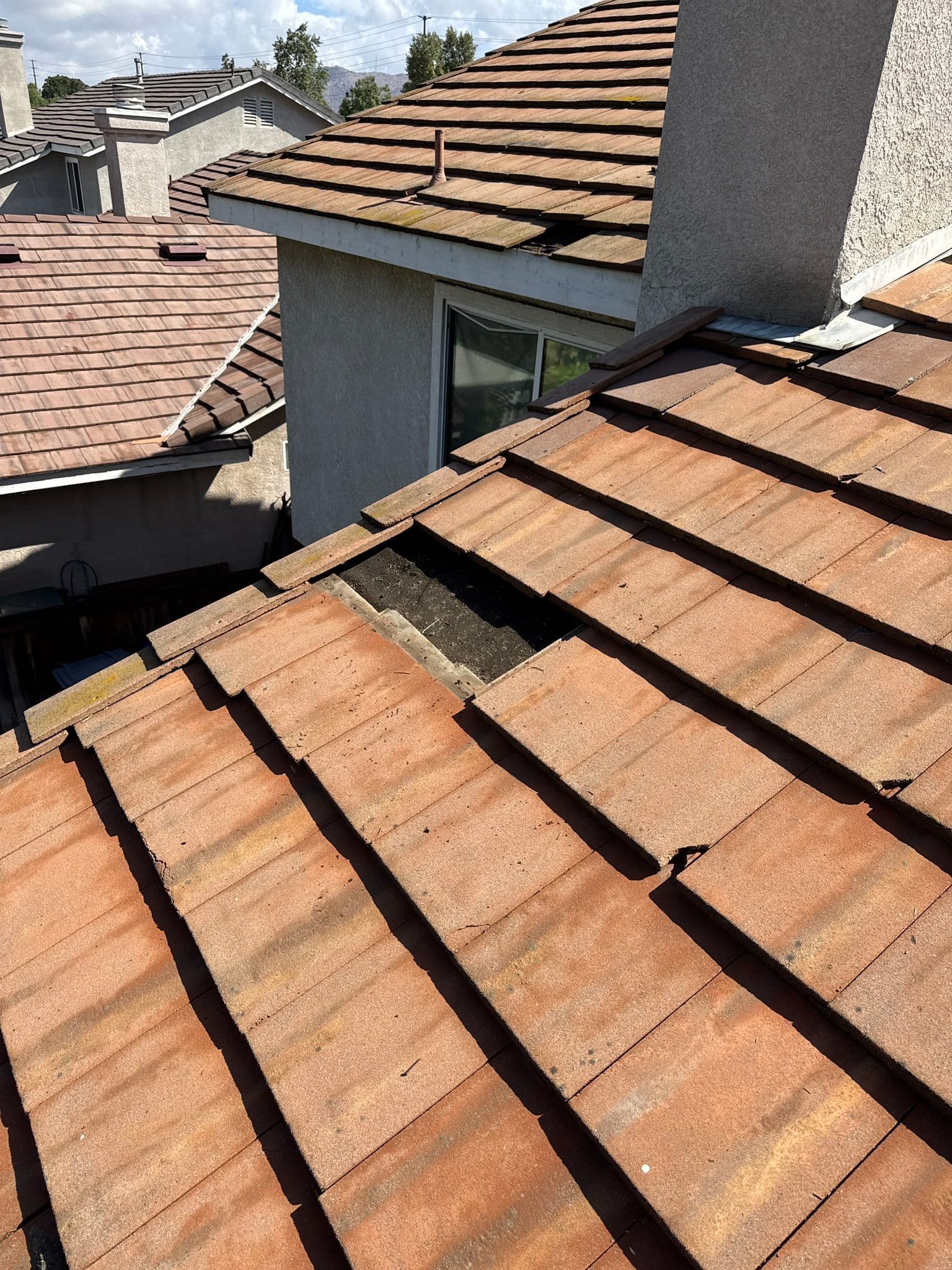
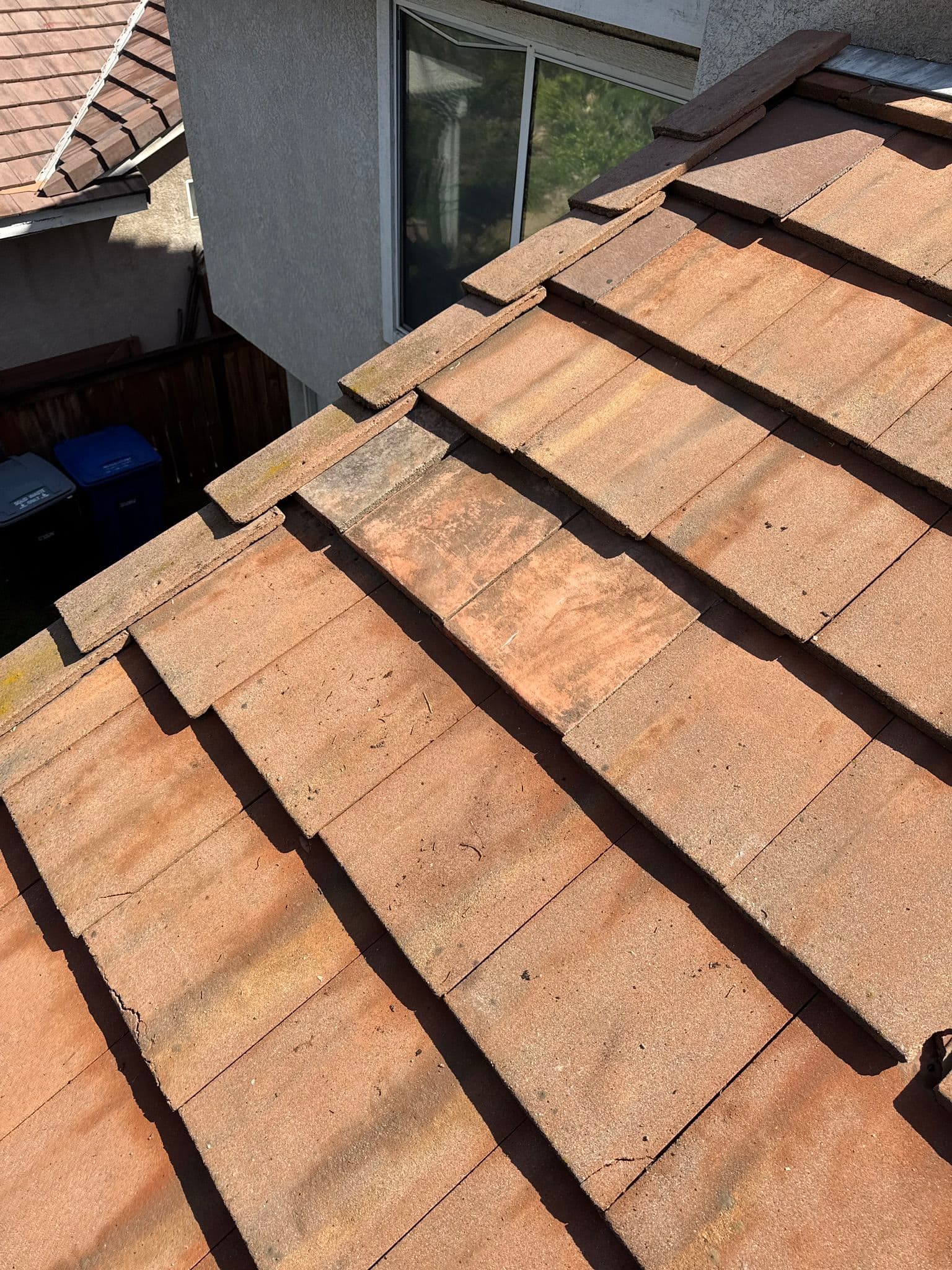
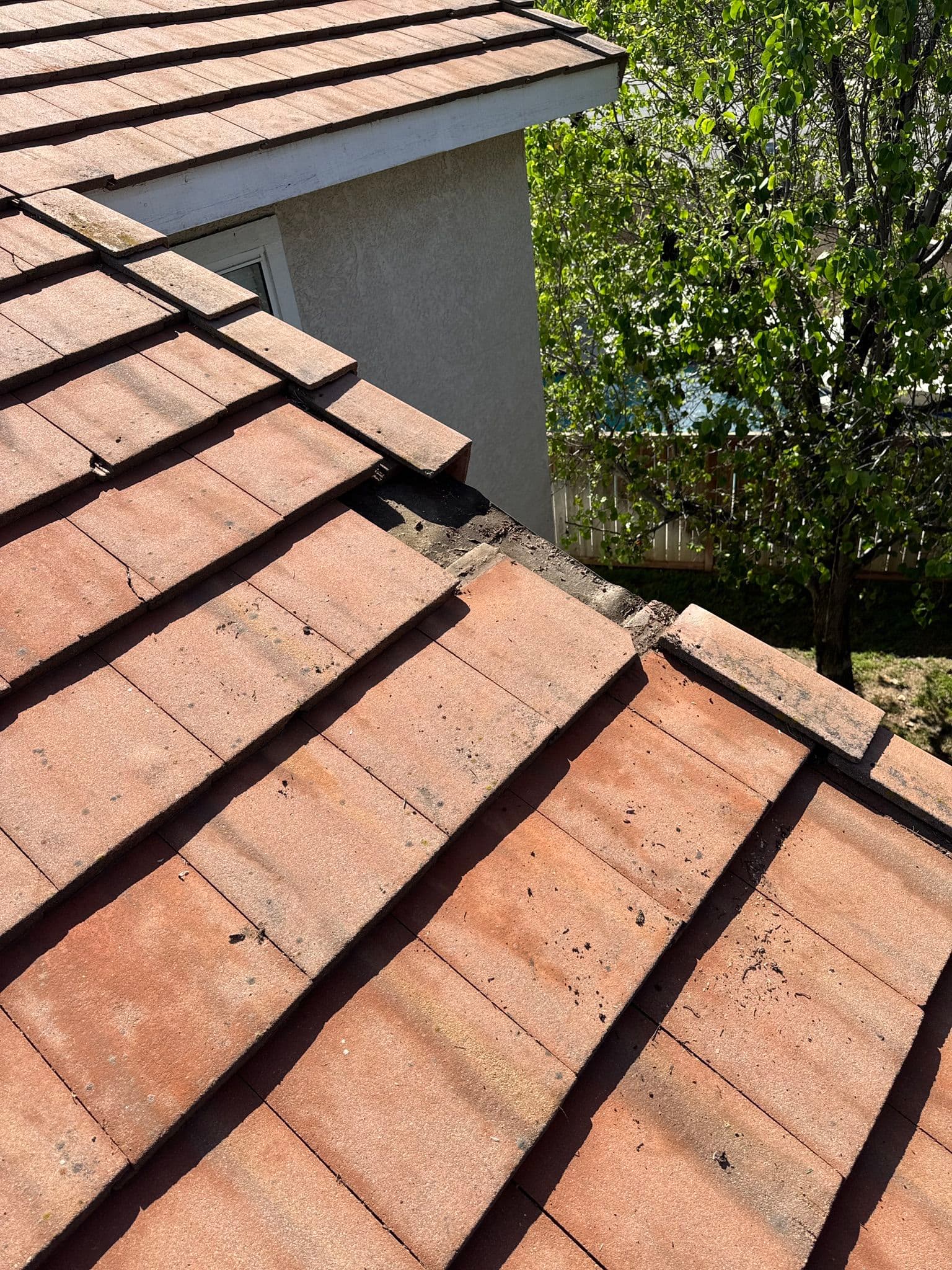
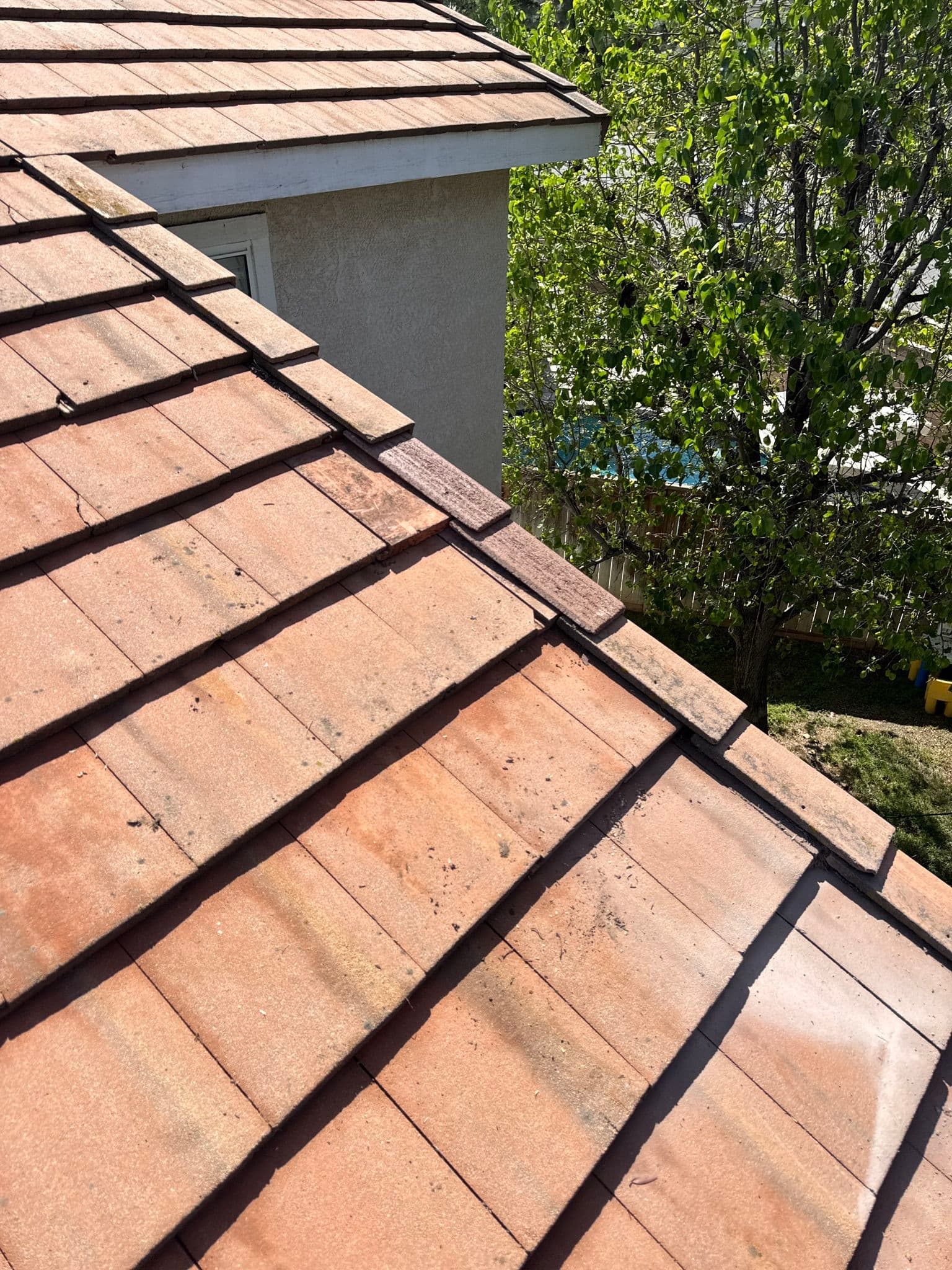
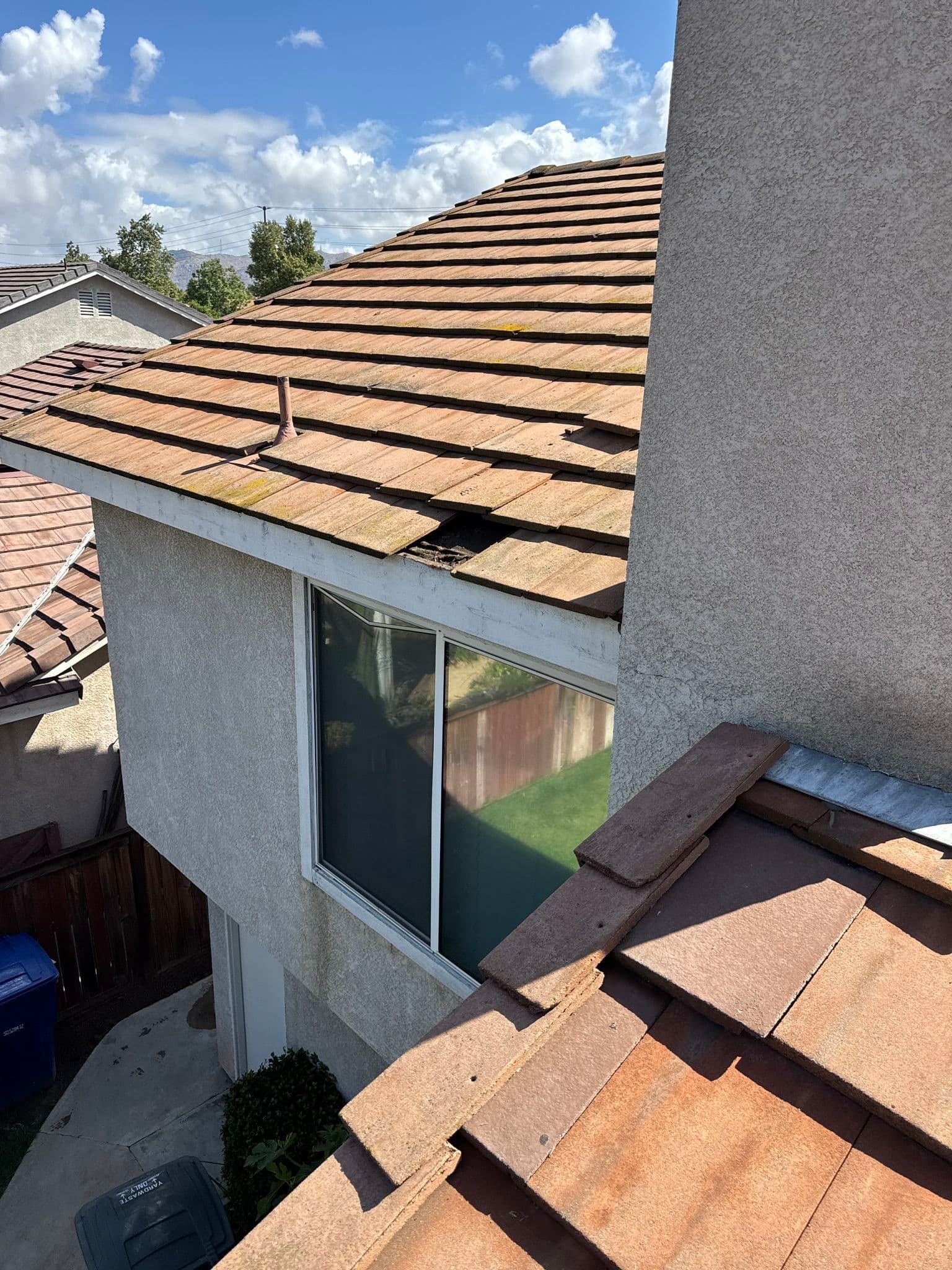
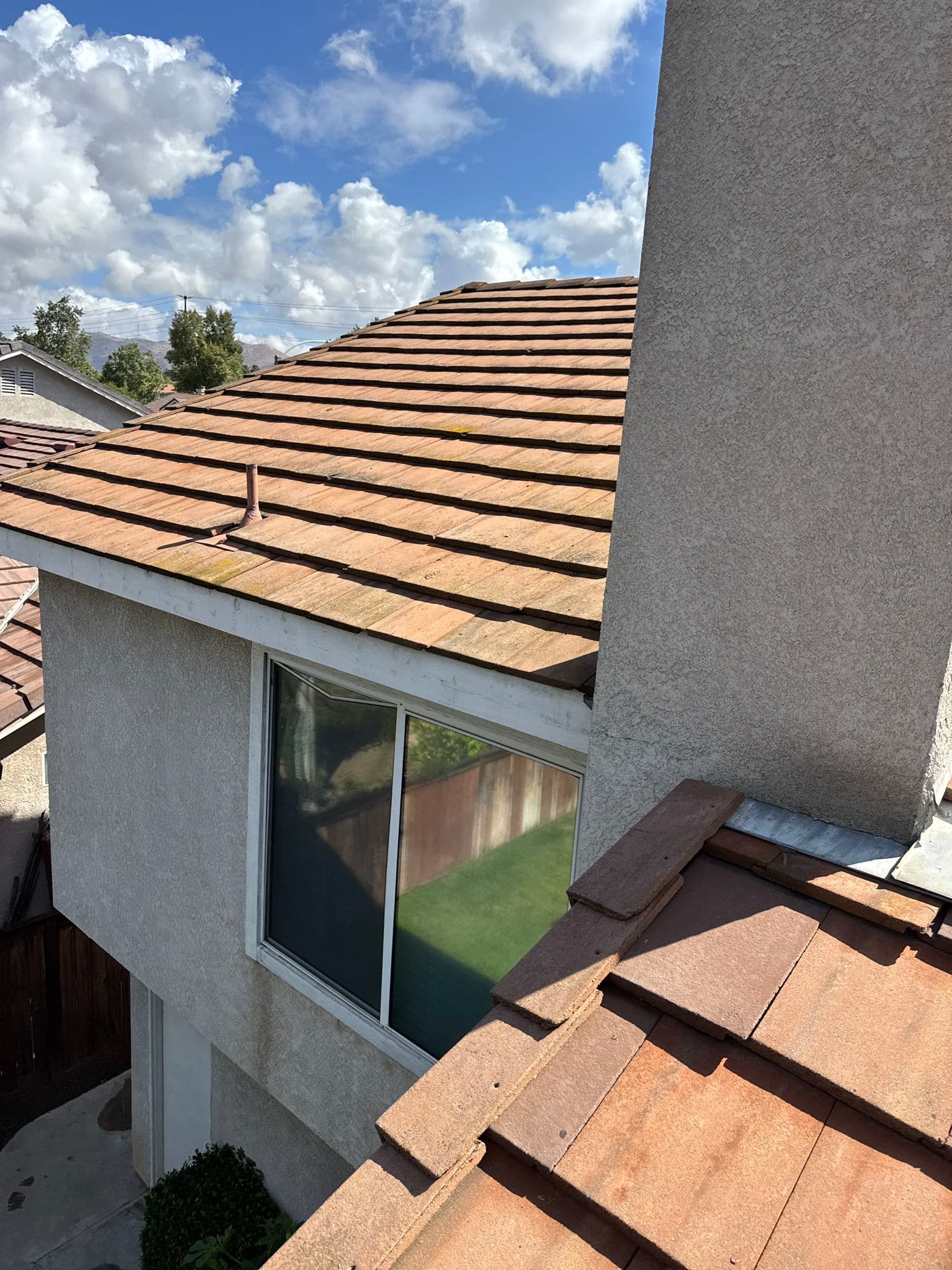
A missing tile or two might not seem like a big deal from the ground. But up close, that gap in the tile field is direct exposure to the underlayment beneath - and once water finds its way under there, the damage spreads fast. That's exactly the kind of thing we get called out to address, and it's one of the most common roof repair situations we run into on older tile roofs.
Here's what we were working with - a concrete tile roof with multiple missing tiles in different sections, leaving the underlayment completely exposed. You can also see where tiles along the eave and valley areas had shifted or pulled away, creating gaps that water can channel straight into. It's not dramatic-looking from the street, but the risk is real. Any rain event, even a light one, can push water into those openings.
What a lot of homeowners don't realize is that tile roofs have two layers of protection - the tiles themselves, and the underlayment below them. The tiles handle most of the weather. But when they go missing, all that load shifts to the underlayment, which isn't designed to handle direct, ongoing exposure. It degrades. And once it does, you're looking at a full roof leak repair situation instead of a simple tile fix.
We always do a thorough walk of the entire roof before we start any work. Missing tiles are rarely isolated - where you find one, you usually find others nearby, along with cracked tiles, deteriorating mortar at the ridge or hip, and underlayment that's starting to show its age. Catching all of it at once means we're not back out here in six months for something we could have handled the first visit.
Tile roof repair done right means the roof is sealed back up properly - every gap accounted for, every vulnerable area addressed. If you've got a tile roof and you're noticing anything off, even something that seems minor, it's worth getting eyes on it before it turns into a bigger problem.