Old Gravel Flat Roof Gets a Full TPO System Upgrade
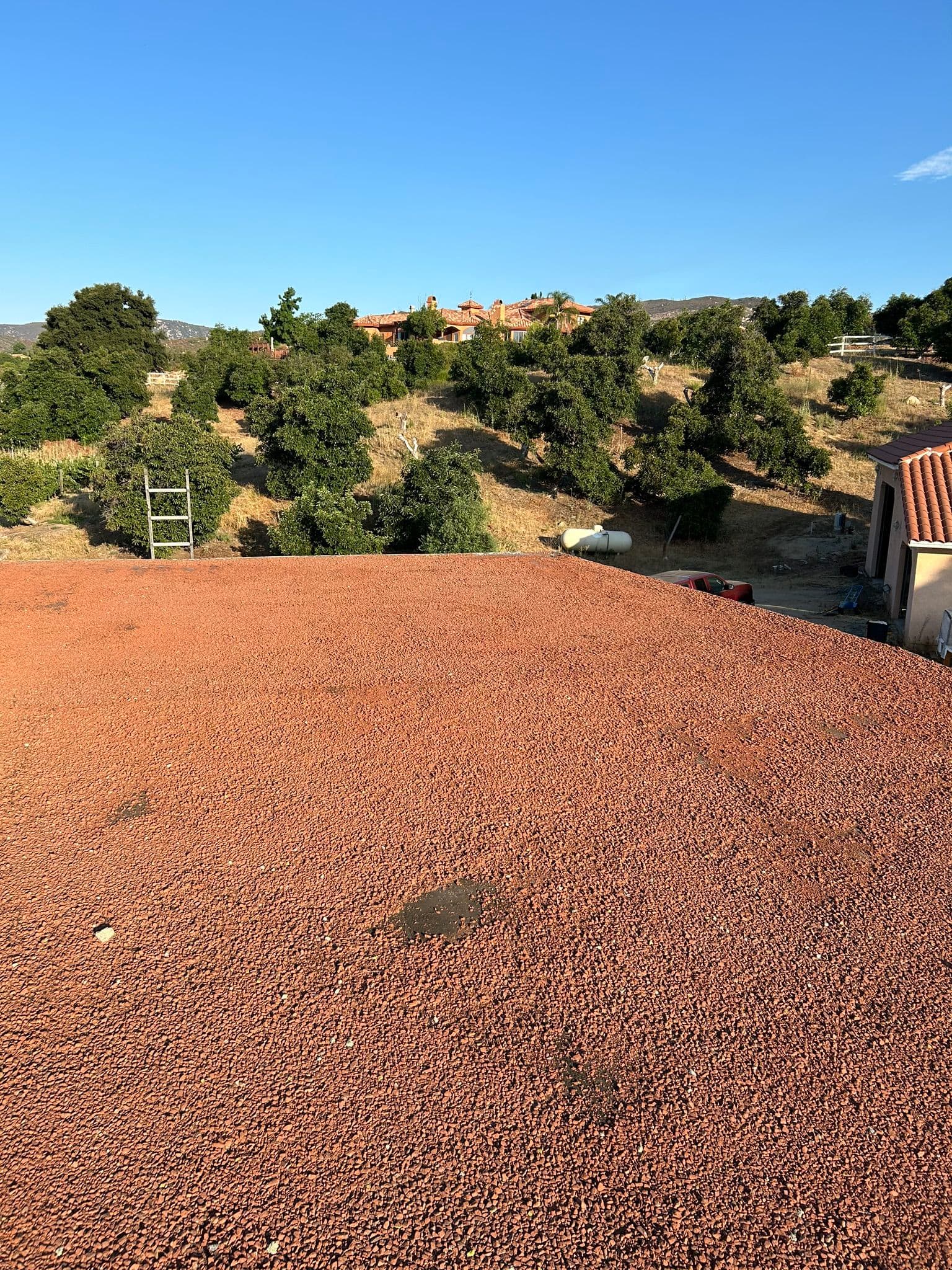
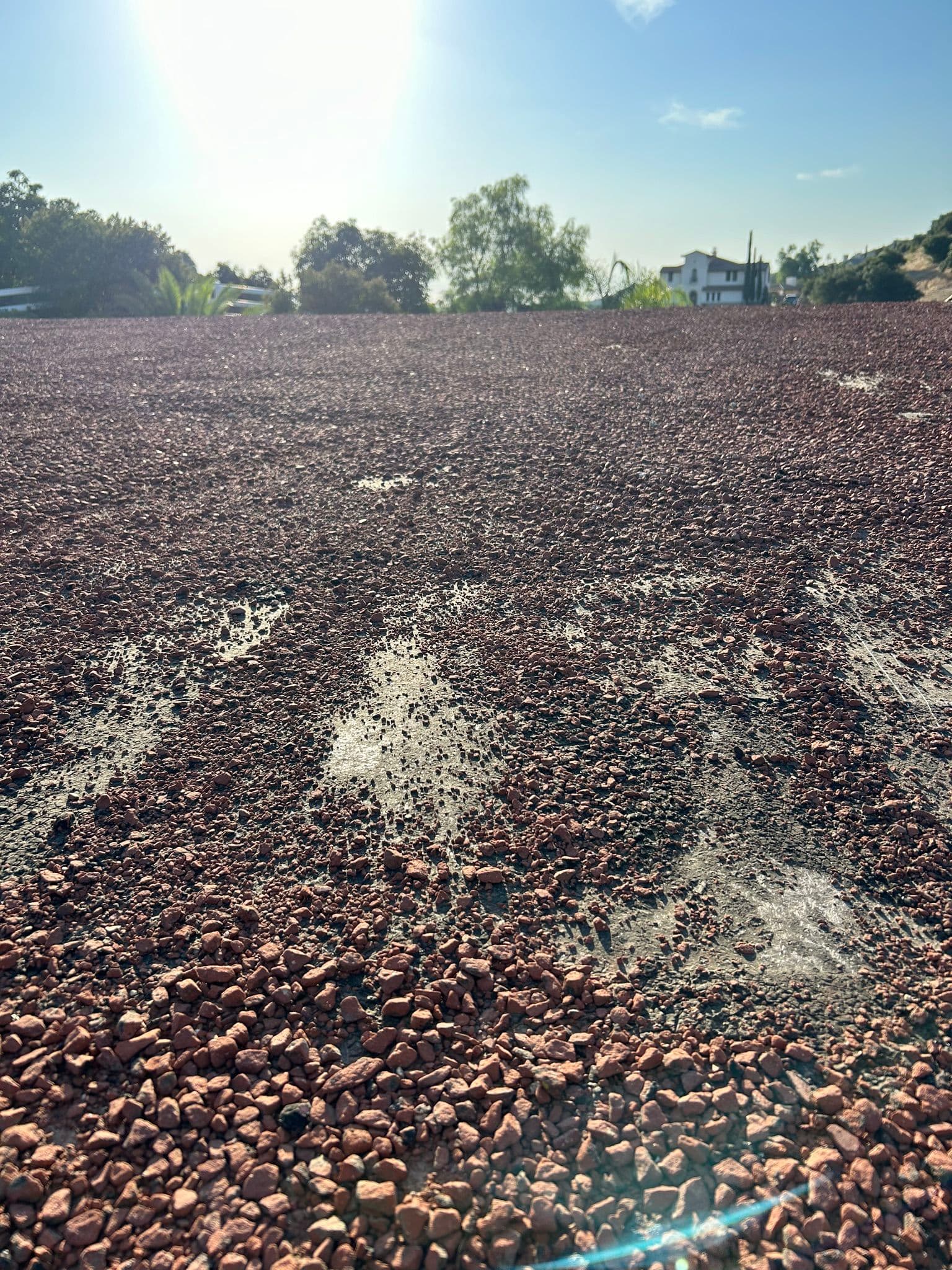
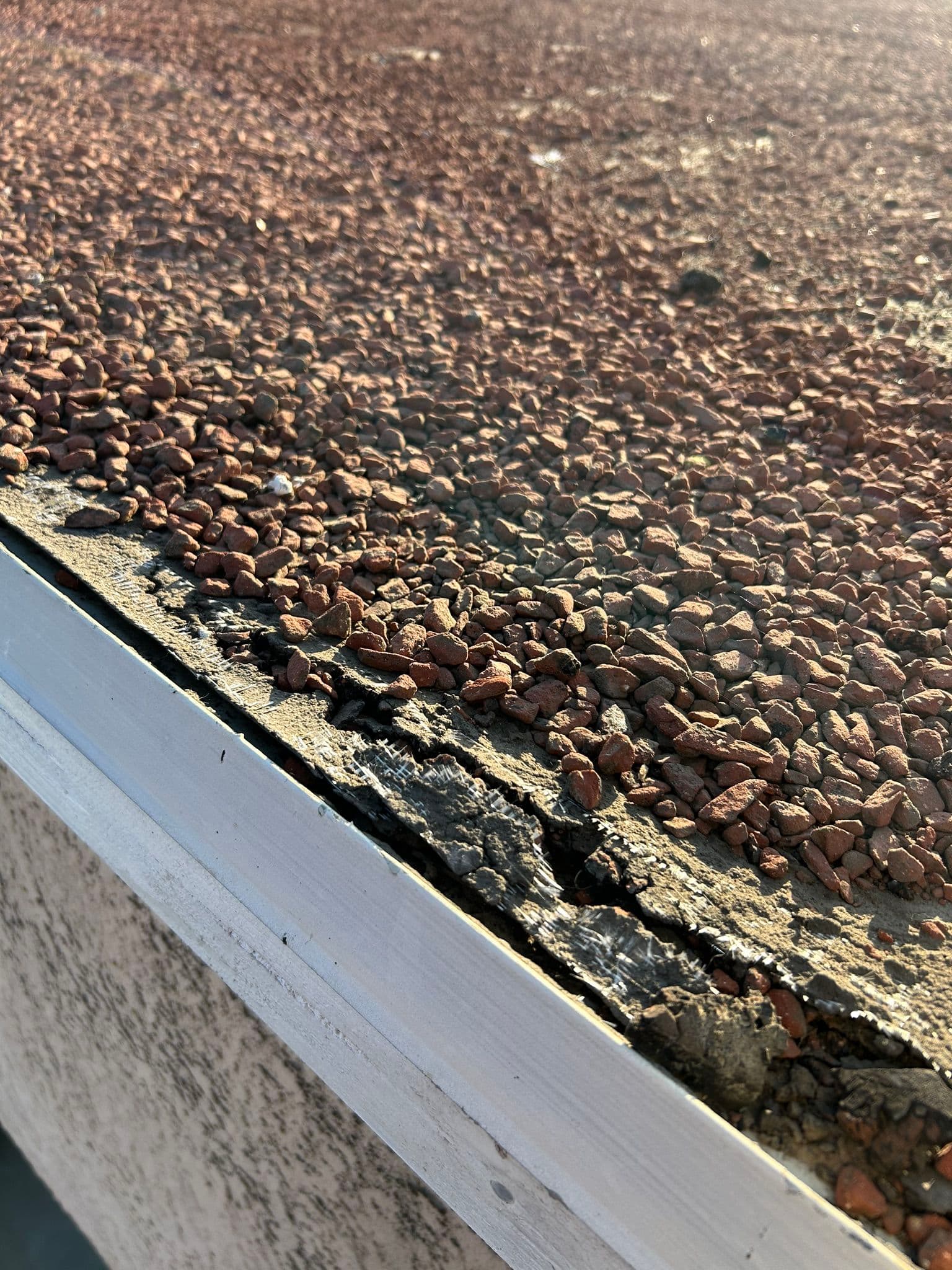
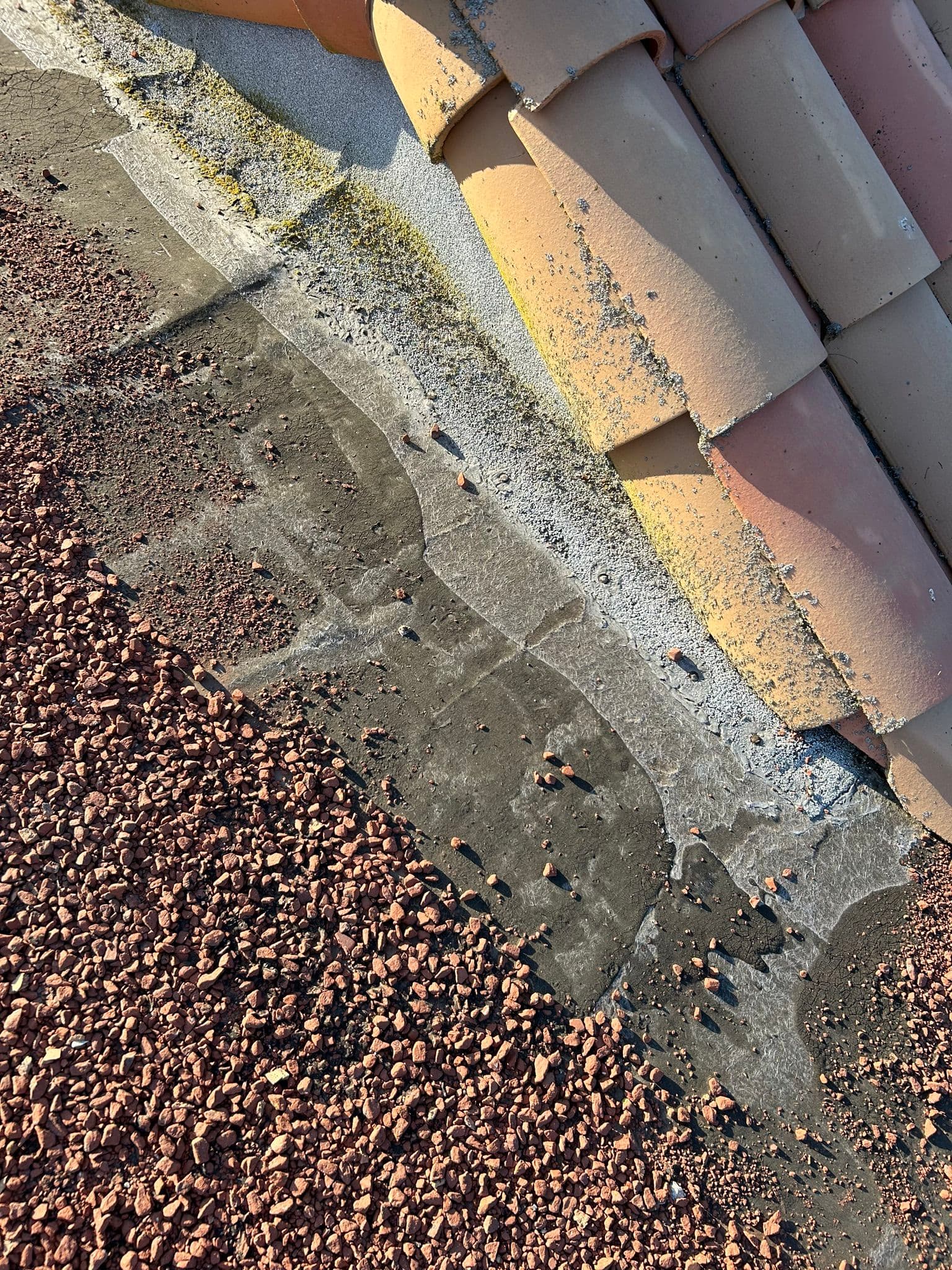
Gravel-ballast roofs have a lifespan. When the membrane underneath starts breaking down, no amount of patching is going to fix it. That's exactly what we were dealing with here - a worn-out gravel system with cracked membrane at the edges, failed flashings where the flat section met the tile roof, and decking that had taken on damage over the years. The roof was done.
So we tore it all down to the deck. Any damaged decking got replaced before anything else went on top. That step matters more than most people realize. Putting a brand-new roof system over bad decking is just setting yourself up for problems down the road. We don't skip that part.
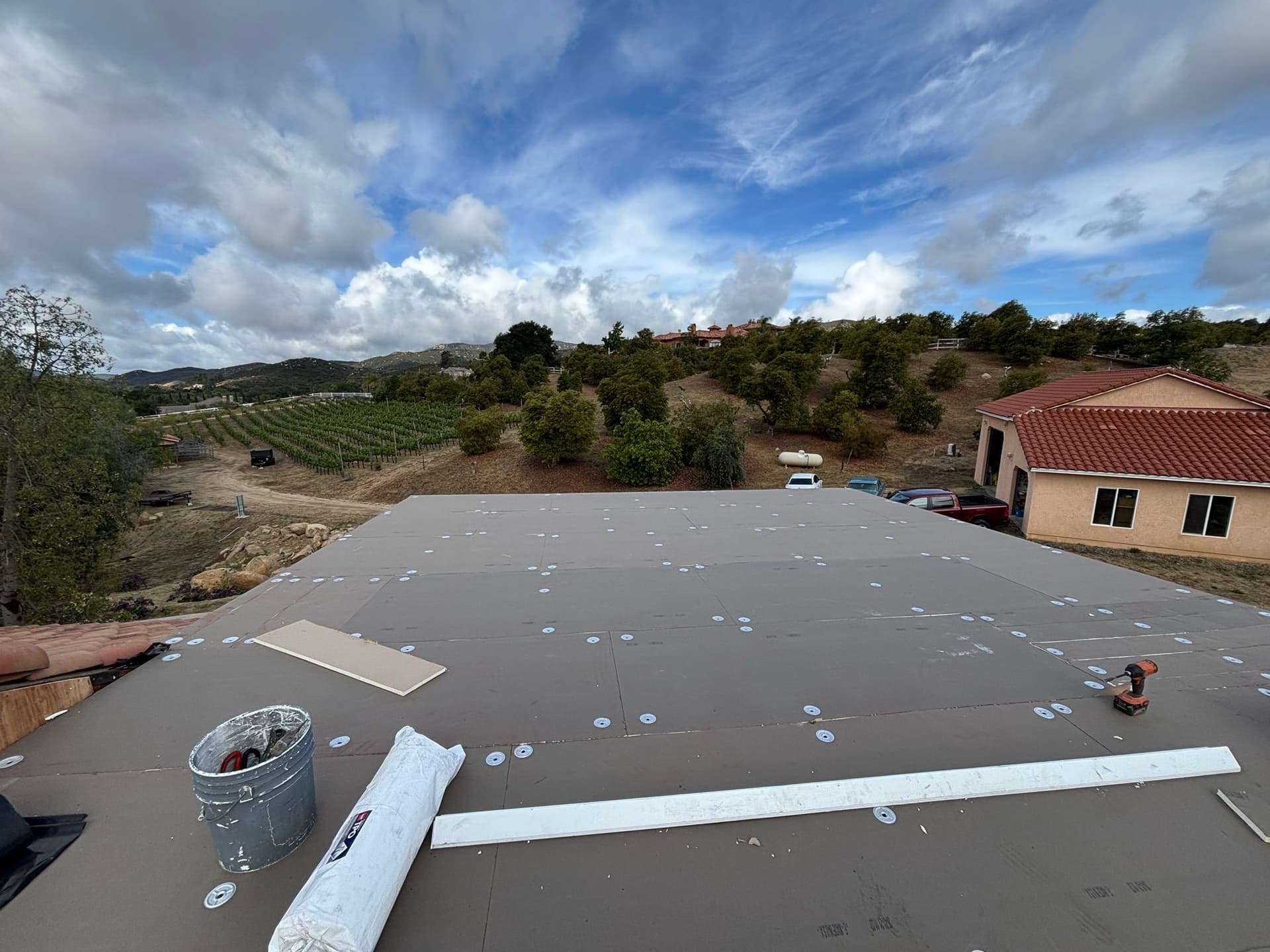
Once the deck was solid, we installed new insulation and then went over everything with a 60 mil EverGuard TPO membrane. You can see the mechanically fastened insulation boards laid out across the full field before the TPO membrane goes down - every fastener and plate placed with purpose. That's a properly built roofing assembly, not just a surface covering. The 60 mil thickness gives it serious durability against UV, ponding water, and general wear.
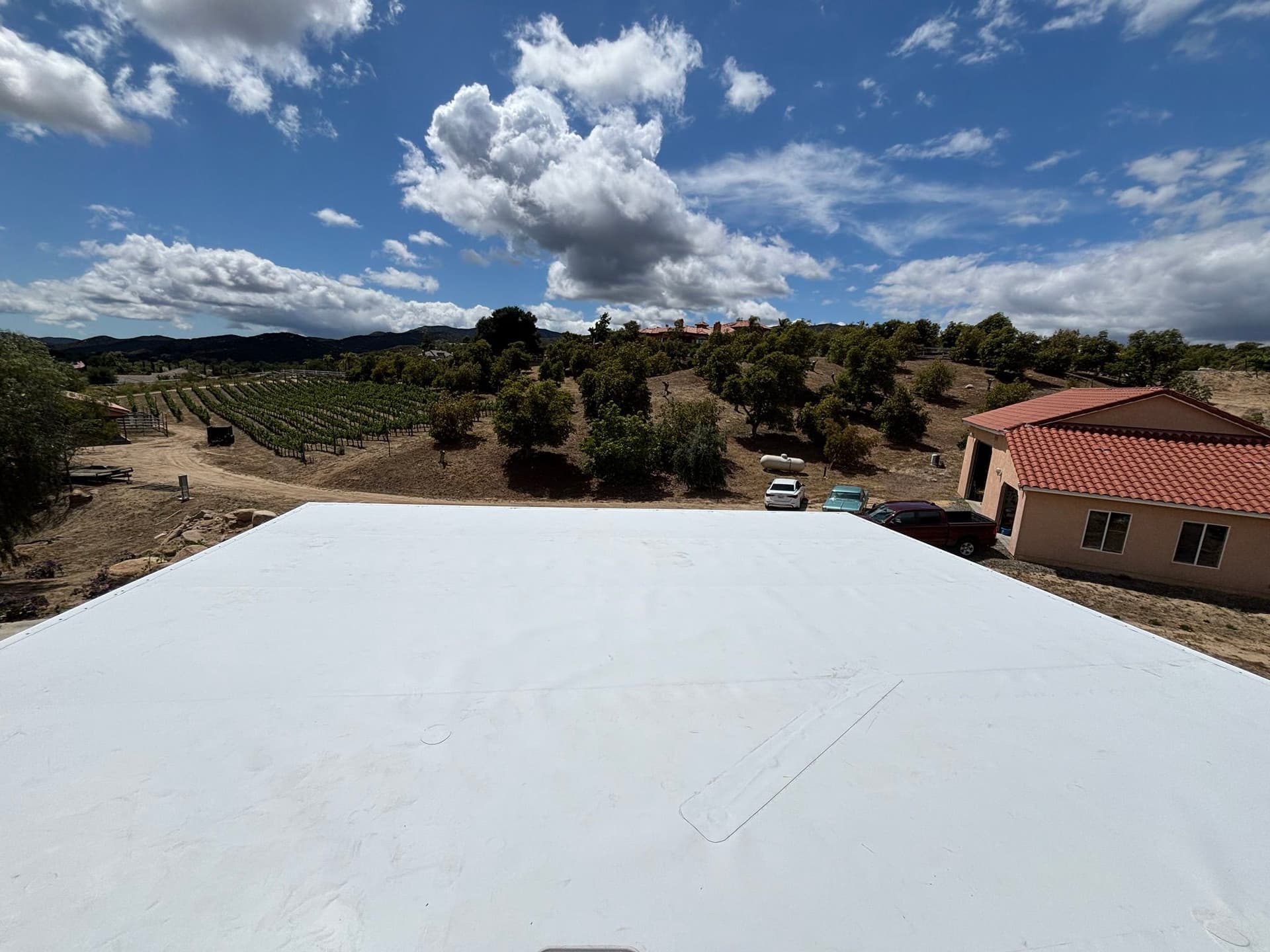
The finished product is a clean, bright white TPO surface with tight seams and solid edge terminations. Night-and-day difference from what was up there before. A roof like this, done right from the deck up, is built to protect the structure for the long haul - not just to look good on day one.
If your flat roof is getting up there in age - especially if it's an older gravel system - it's worth having someone take a look before small issues become water damage inside the home. A full flat roof replacement with TPO is one of the most reliable long-term investments you can make in a property.