Roof Valleys and Pipe Seals - Two Spots That Cause Real Damage
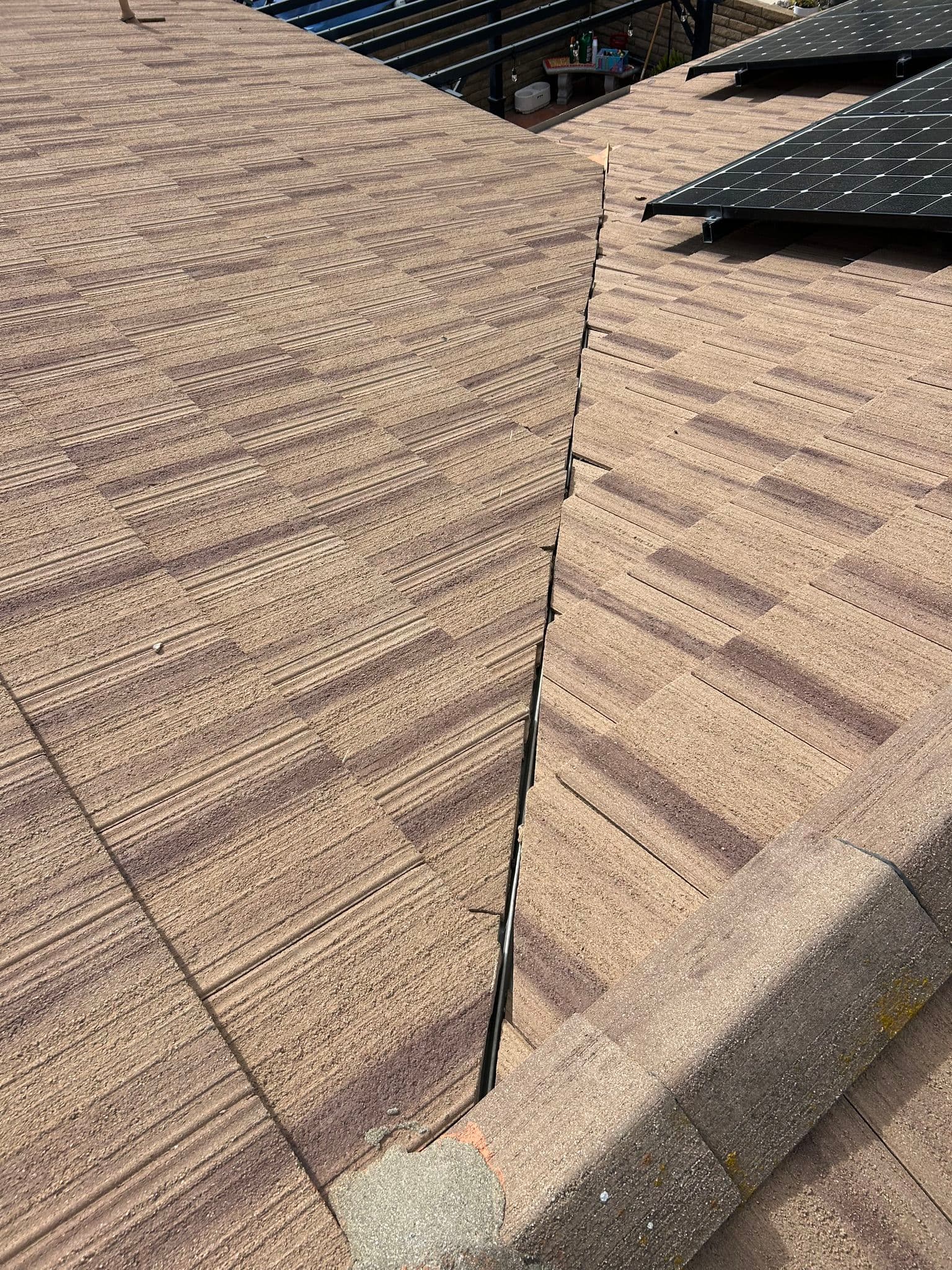
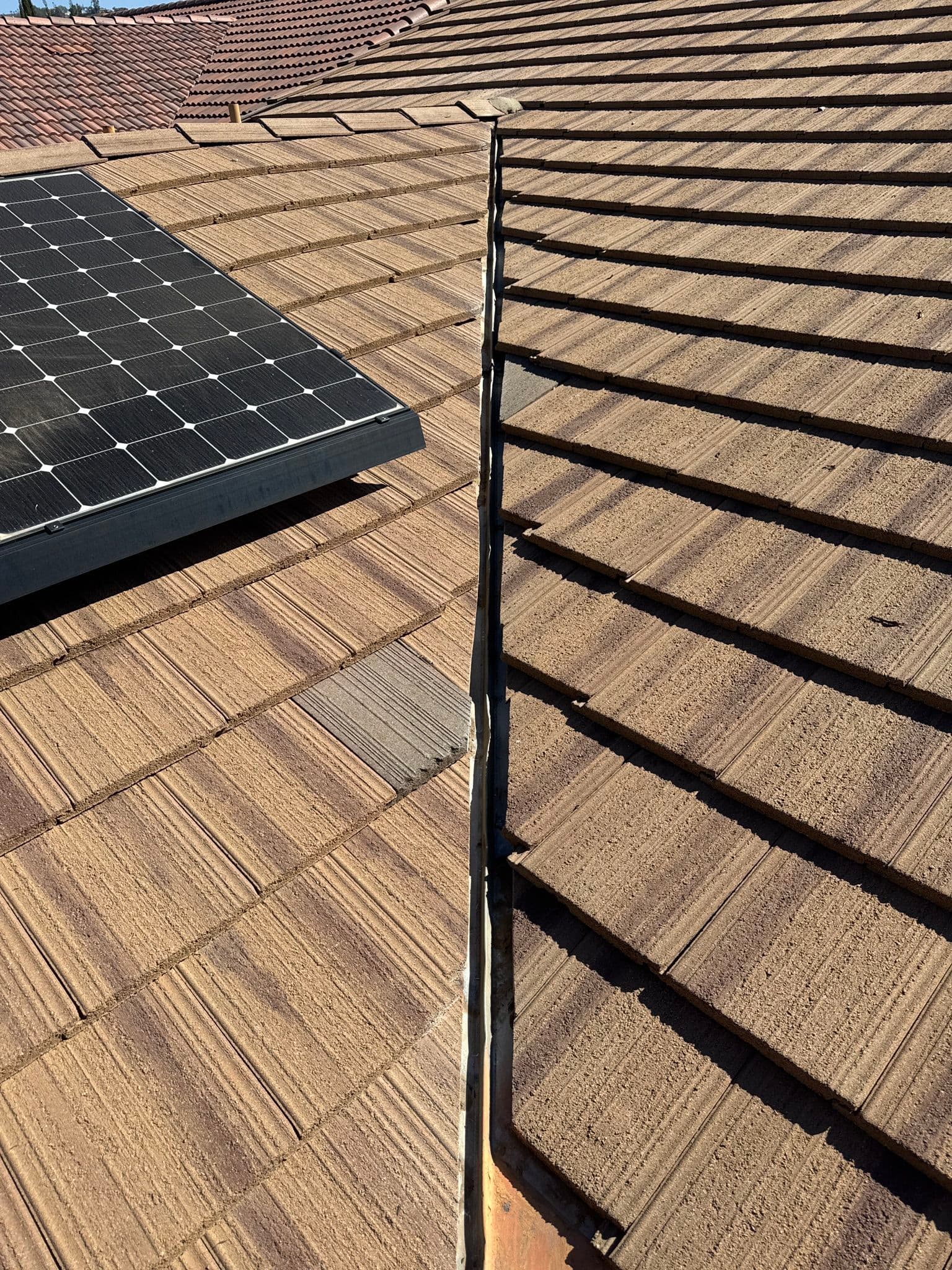
Two of the most common leak sources on any roof are the valleys and the pipe penetrations. Most homeowners never think about either one - until water shows up inside. By then, the damage is usually bigger than the original repair would have been.
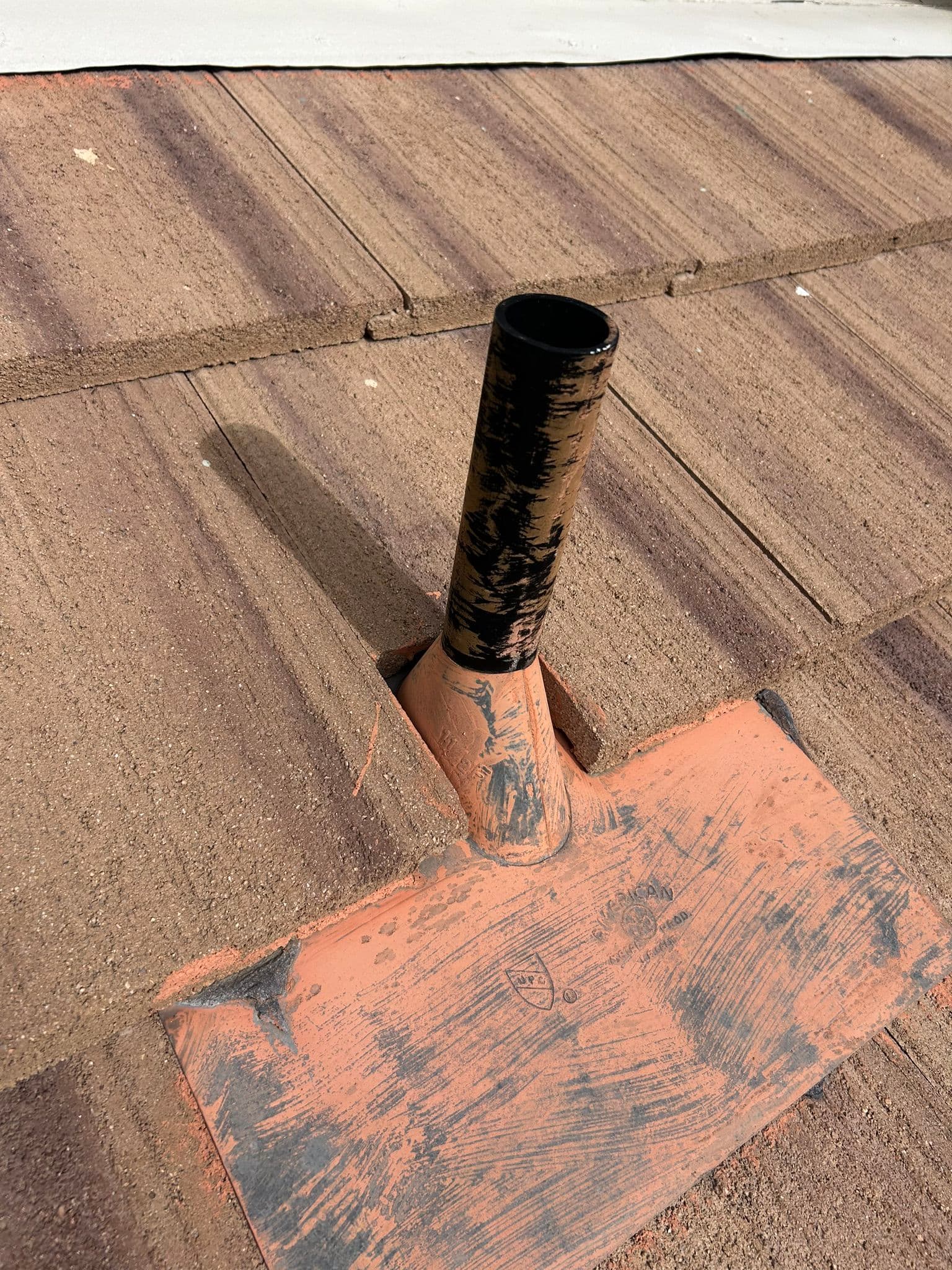
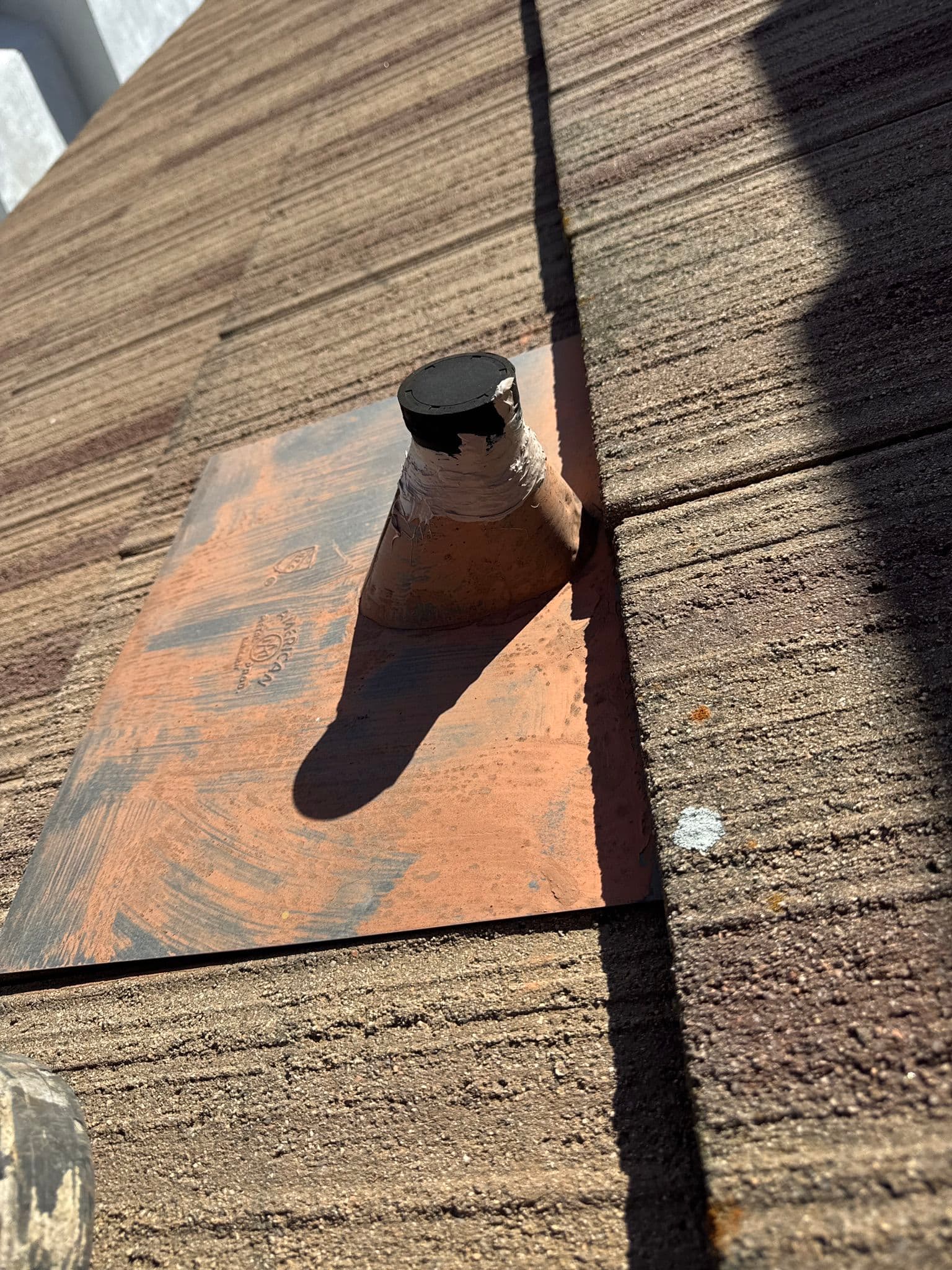
Valleys are where two roof slopes meet, and they carry a heavy water load every time it rains. If the flashing or sealant along that seam starts to fail, water doesn't just sit there - it finds a path in. Same goes for pipe boots. That rubber seal around your plumbing vent pipes breaks down over time from UV exposure and heat. Once it cracks or shrinks away from the pipe, you've got a direct opening into your roof deck.
The pipe boots here show exactly what years of weather exposure does to that seal - the rubber deteriorates and the bond between the boot and the pipe weakens. It's a small area, but it punches way above its weight when it comes to leak potential. Catching it early means a straightforward repair instead of rotted decking or damaged insulation later.
We focus on the spots that are easy to overlook but quick to cause problems. Valleys, pipe seals, flashing transitions - these are the details that determine how well your roof actually performs when weather hits. Getting eyes on them before a leak starts is always the better call.
Whether your roof has solar panels, tile, or shingles, the penetrations and valleys still need attention. If it's been a while since anyone has looked at your roof up close, an inspection is a good place to start.