Tile Roof Repair - Broken Tiles, Slipped Tiles, and Sealed Vent Pipes
Tile roofs are built to last - but they're not invincible. Tiles shift. They crack. And the spots where vent pipes poke through the roof? Those seals break down over time. What starts as a small gap or a cracked tile turns into water getting under your underlayment, sitting on your decking, and eventually showing up as a stain on your ceiling. By the time you see that stain, the damage has usually been building for a while.
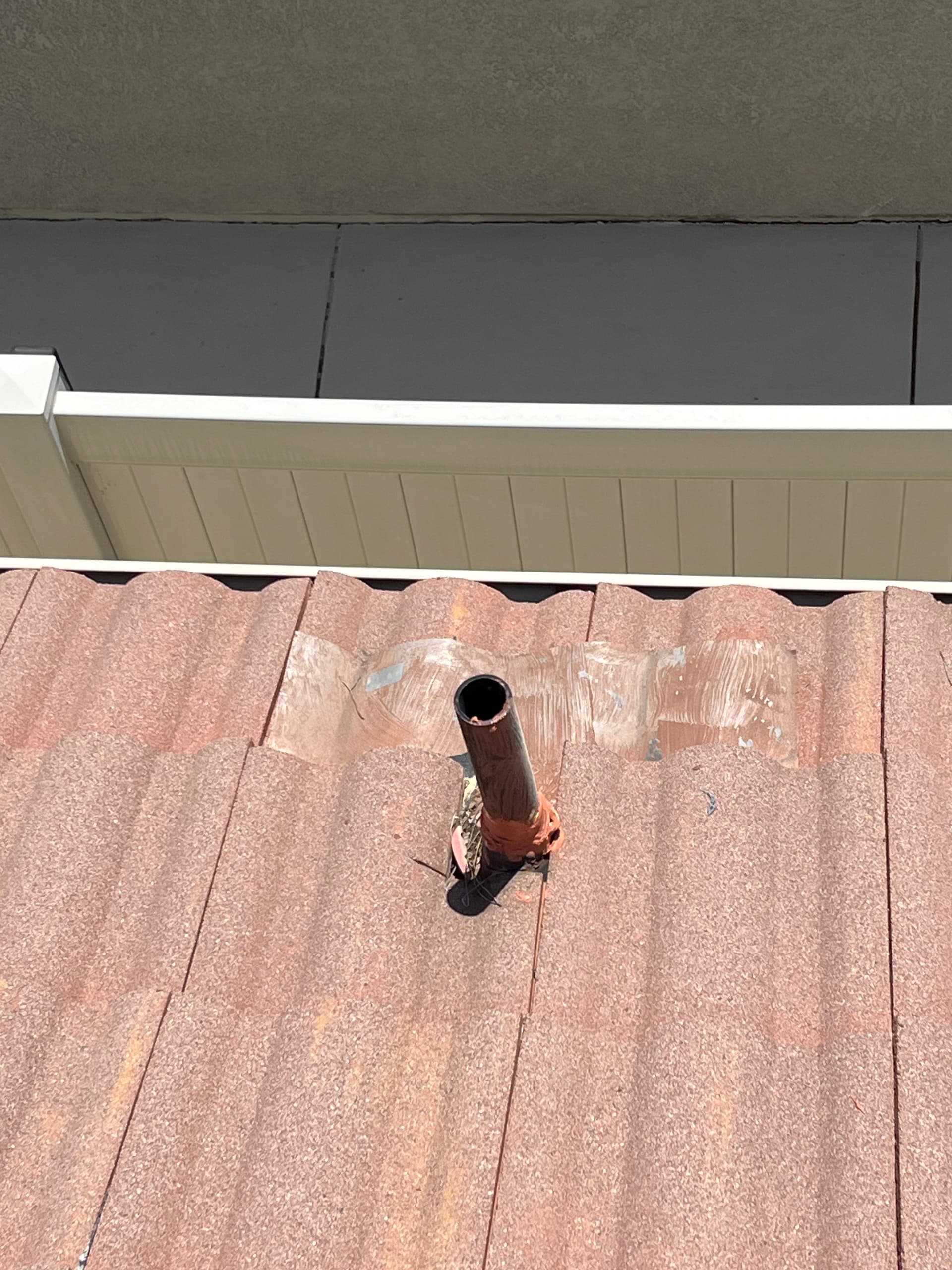
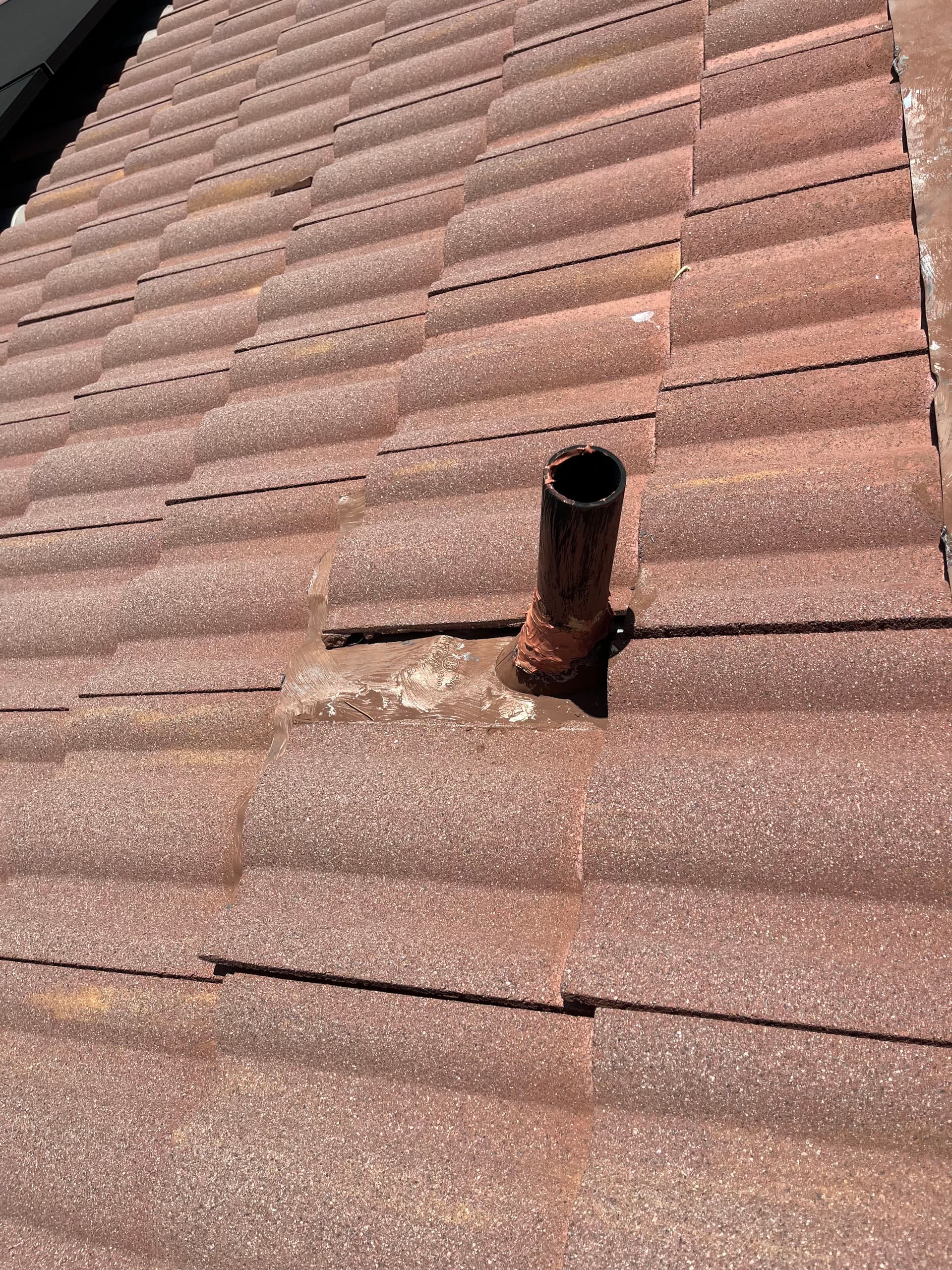
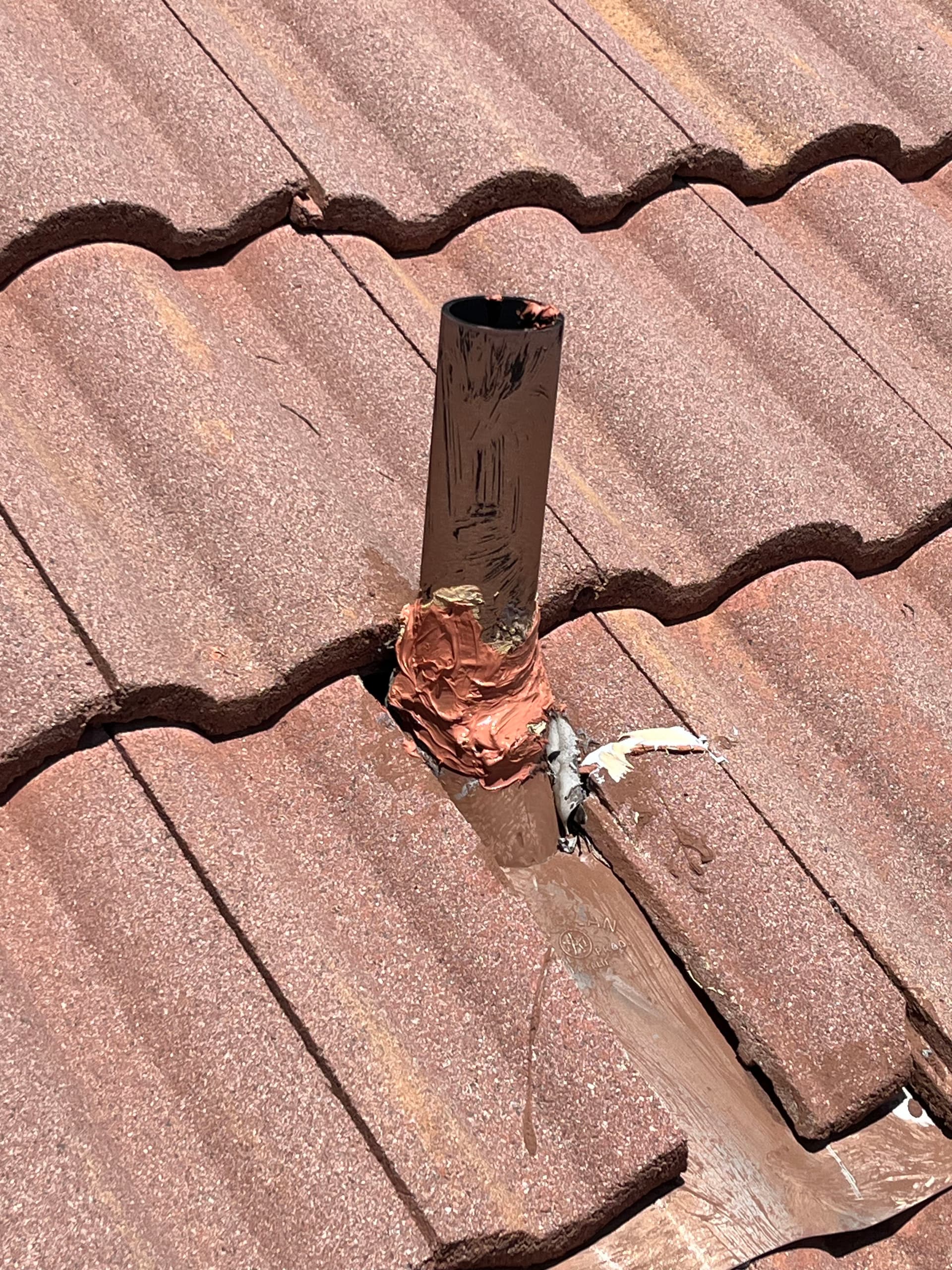
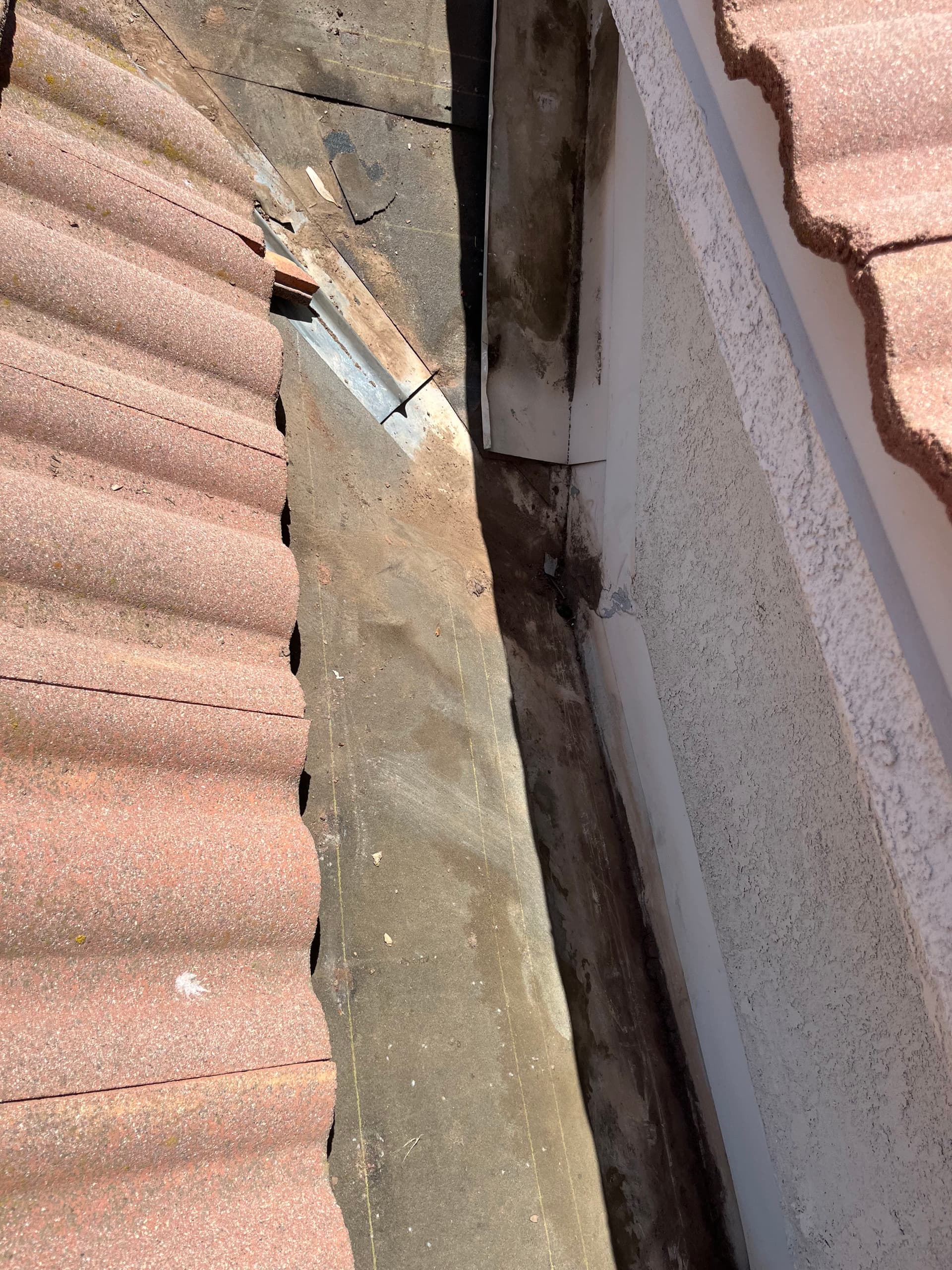
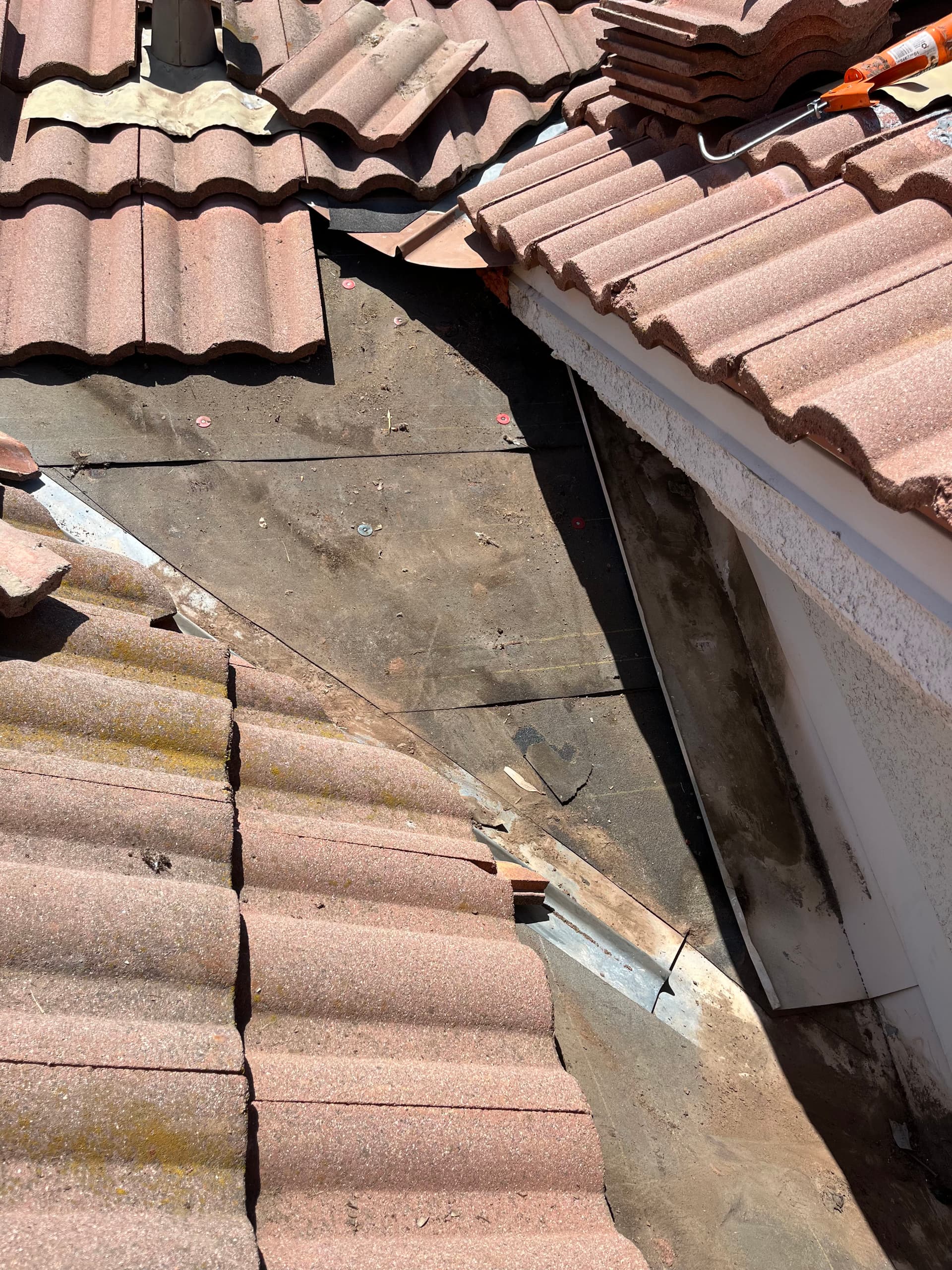
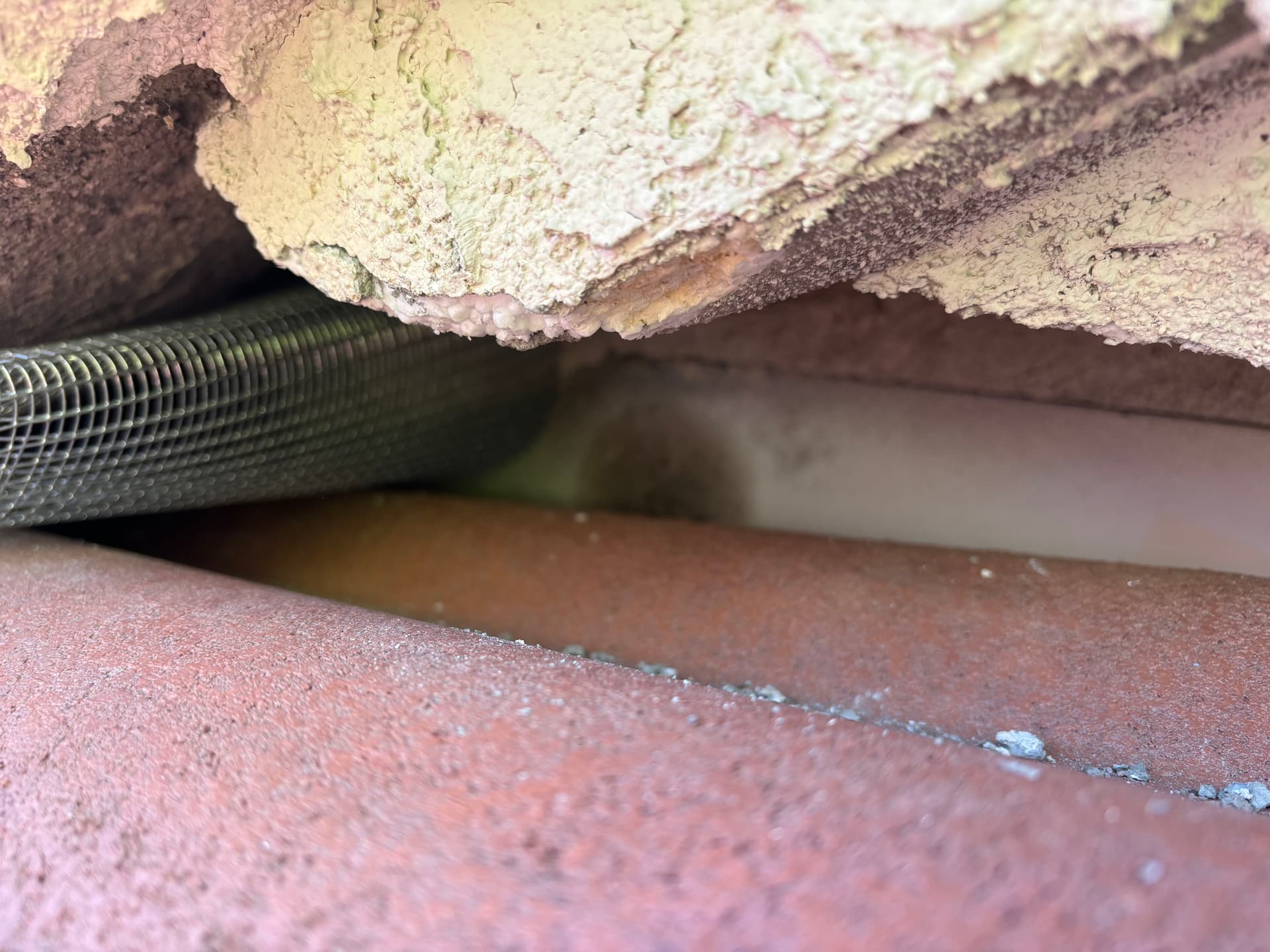
On this repair, there were a few different things going on. Some tiles were cracked and needed to be swapped out. Others had shifted out of position and were leaving gaps in coverage. The vent pipe penetrations were also compromised - the old seals had deteriorated and weren't keeping water out anymore. Each one of these issues is easy to miss from the ground, but up on the roof they tell a pretty clear story.
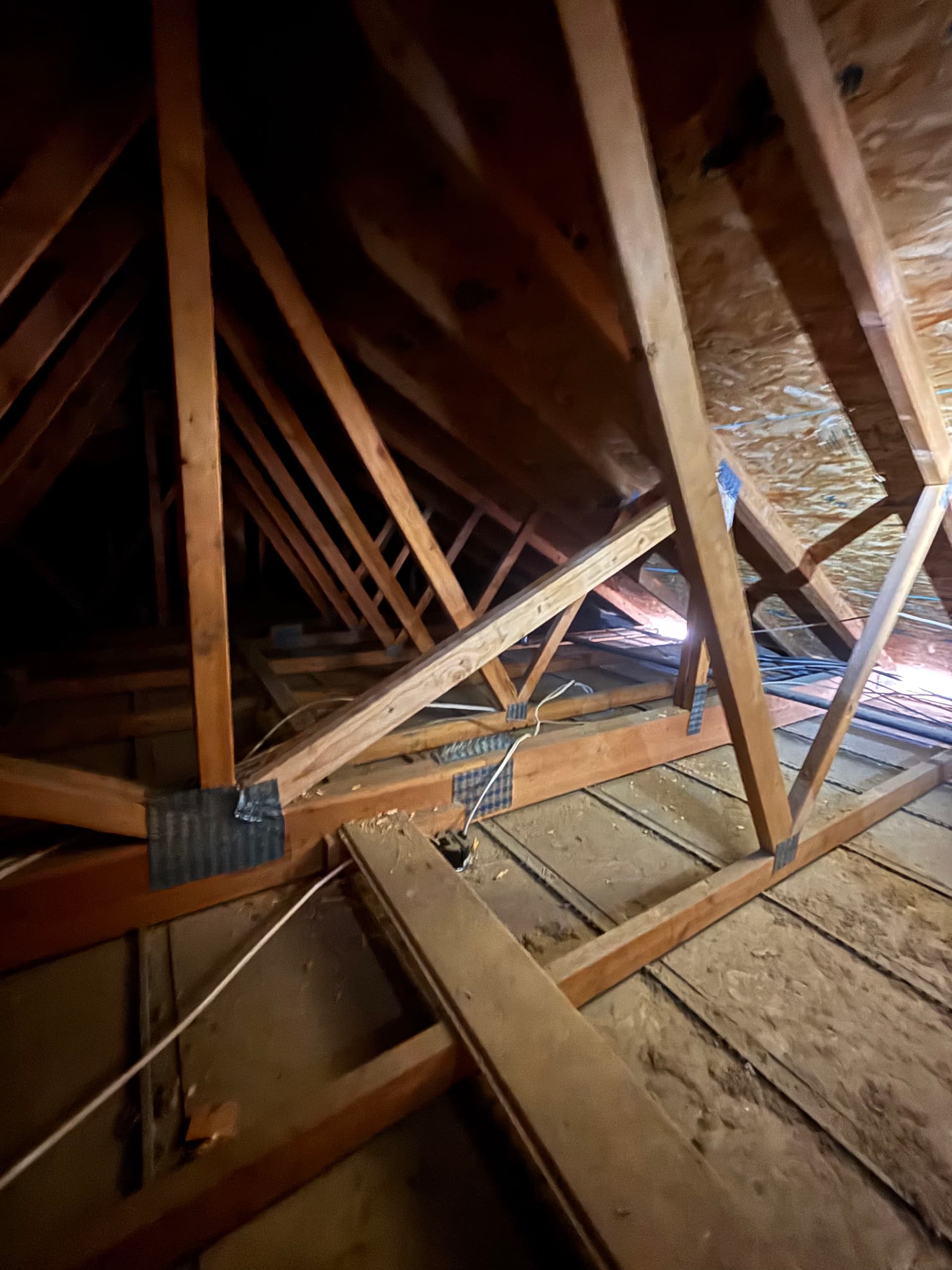
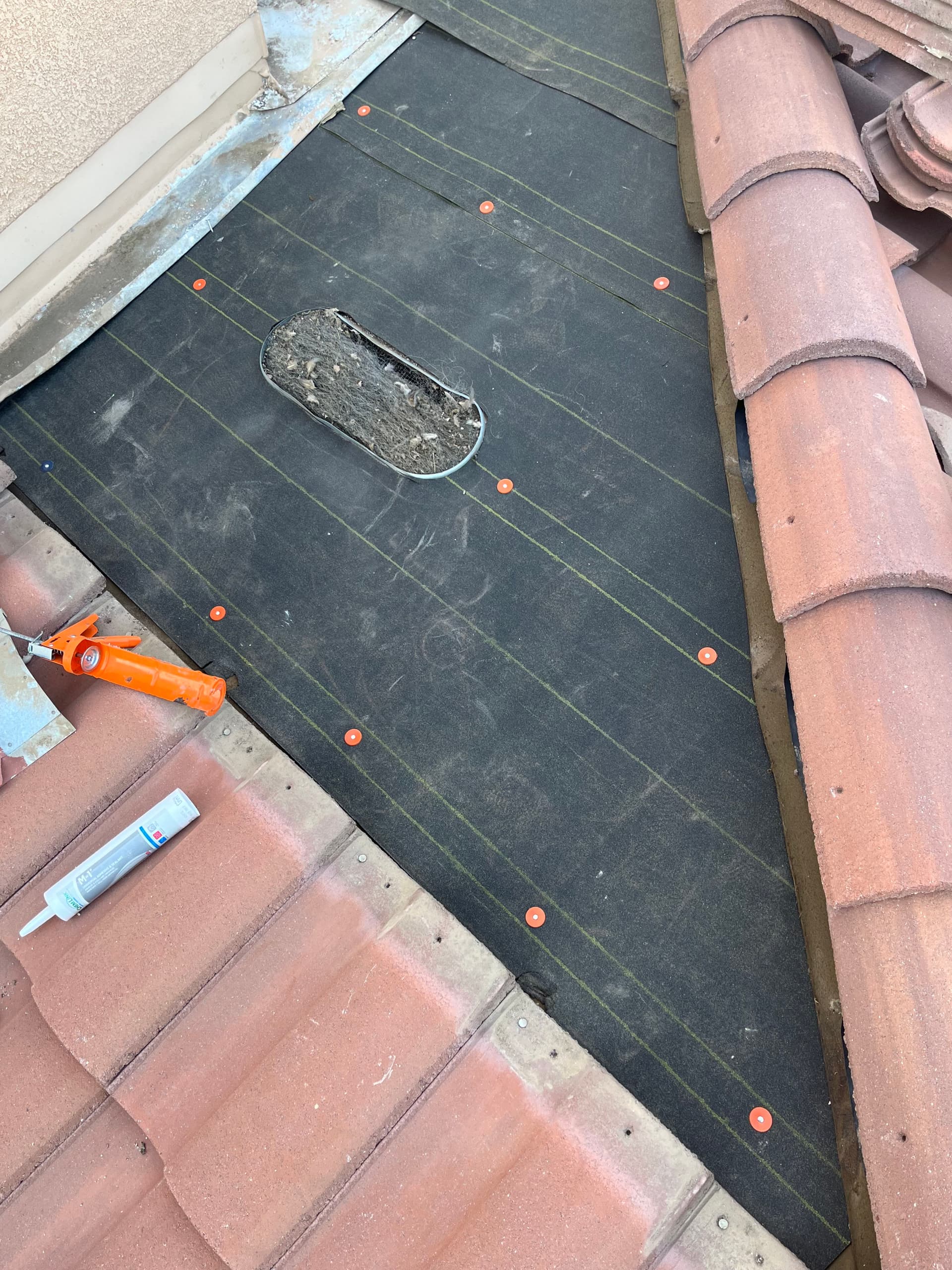
We pulled the damaged tiles, addressed the sections of underlayment that needed attention, re-secured the tiles that had moved, and properly re-sealed the vent pipe penetrations. The goal on a repair like this isn't just to fix what's visible - it's to make sure nothing gets left behind that'll cause a problem six months from now. That means checking the surrounding tiles and the deck underneath, not just patching the obvious spots.
Vent pipe seals are one of the most common sources of roof leaks on tile roofs, and they're also one of the most overlooked. The pipe itself creates a penetration point in your roof - and if the seal around it fails, water has a direct path in. It's a small thing to fix when caught early. It's a much bigger deal once water has been getting in for a season or two.
If your tile roof has spots that look off - tiles that seem higher than the rest, cracked pieces, or dark staining around any pipe penetrations - those are worth having someone look at. Roof leak repair on a tile roof is almost always less expensive when it's handled before the water finds its way inside.