Tile Roof Repair That Stops Small Problems Before They Get Expensive
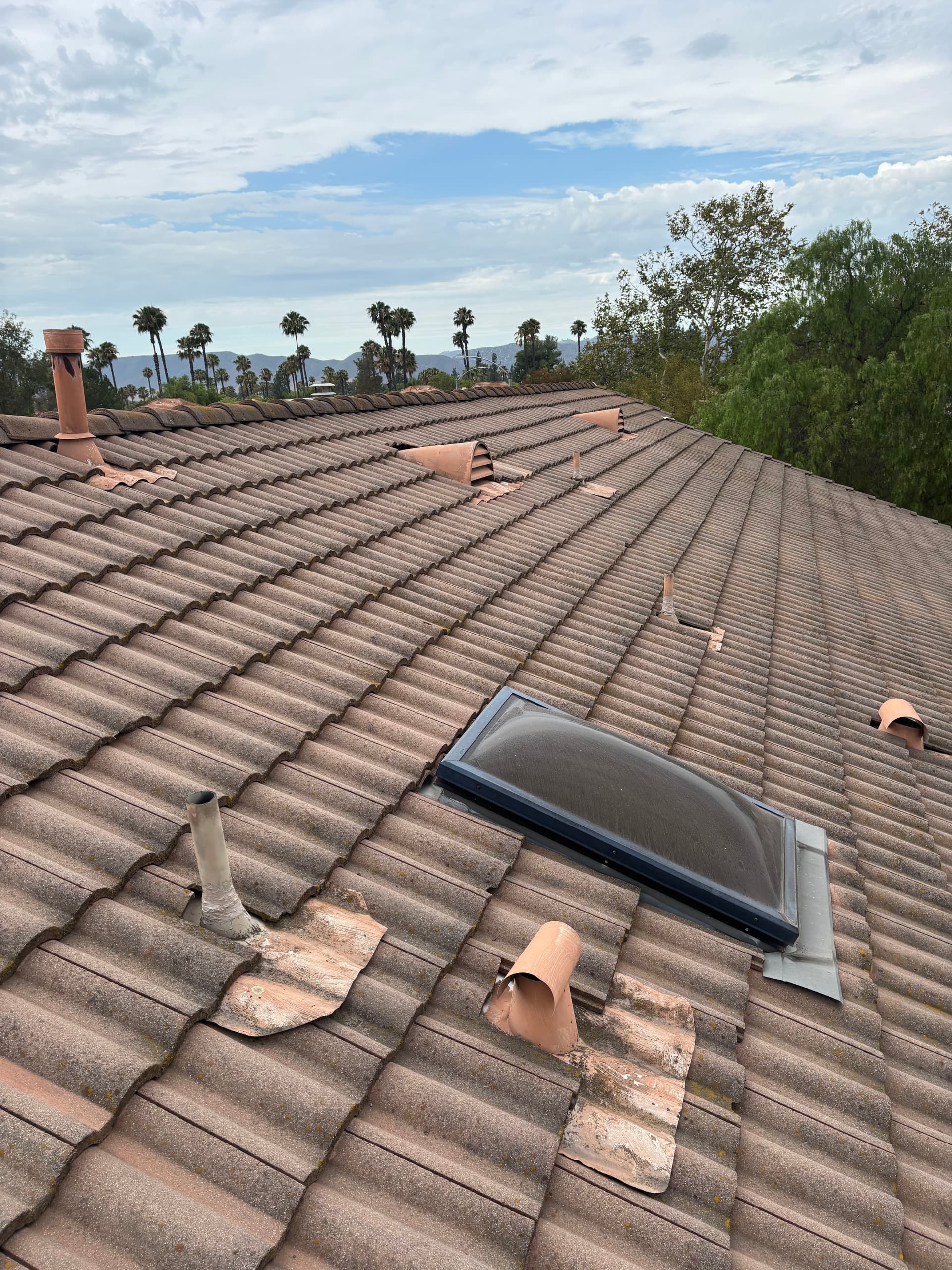
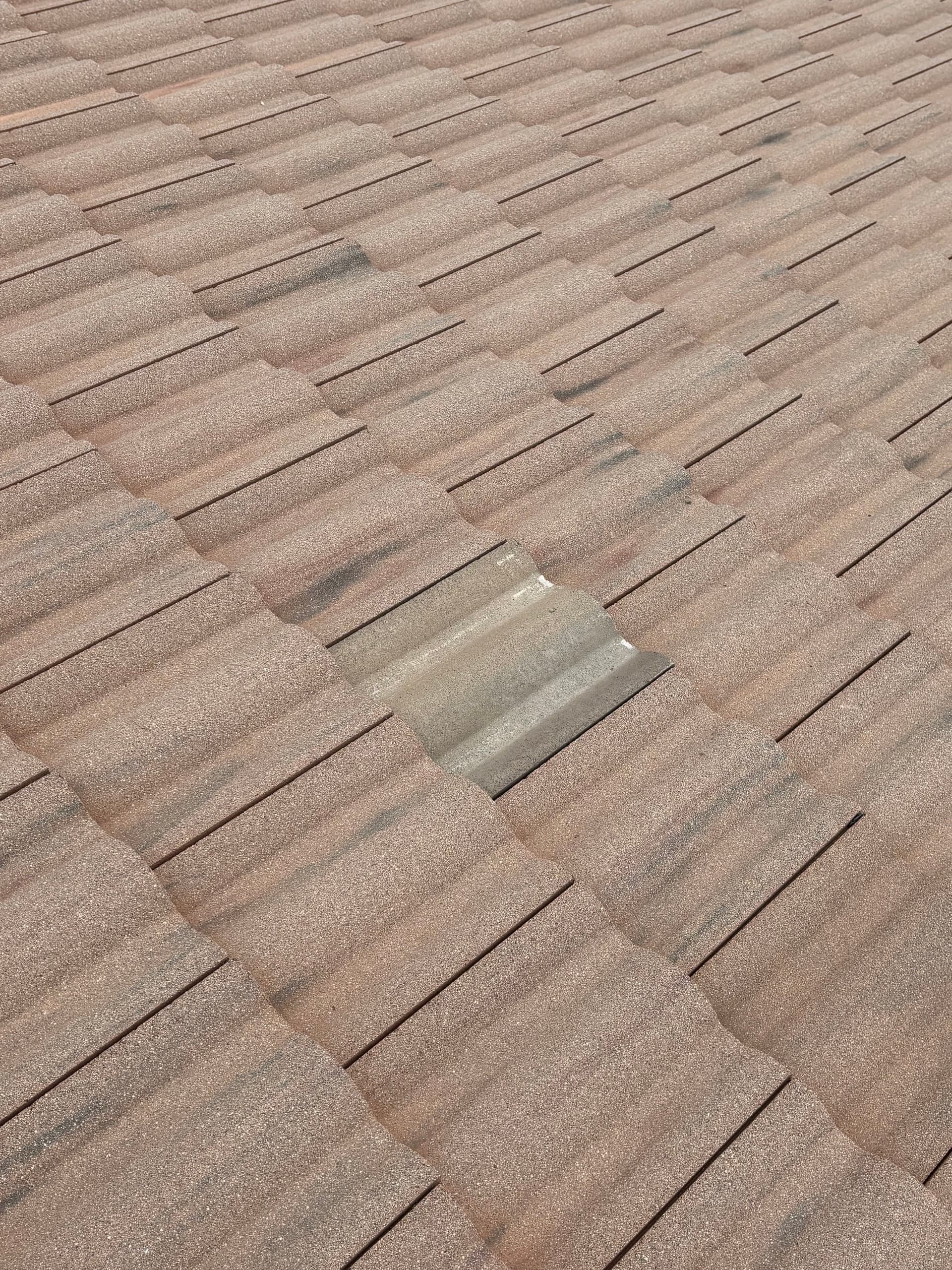
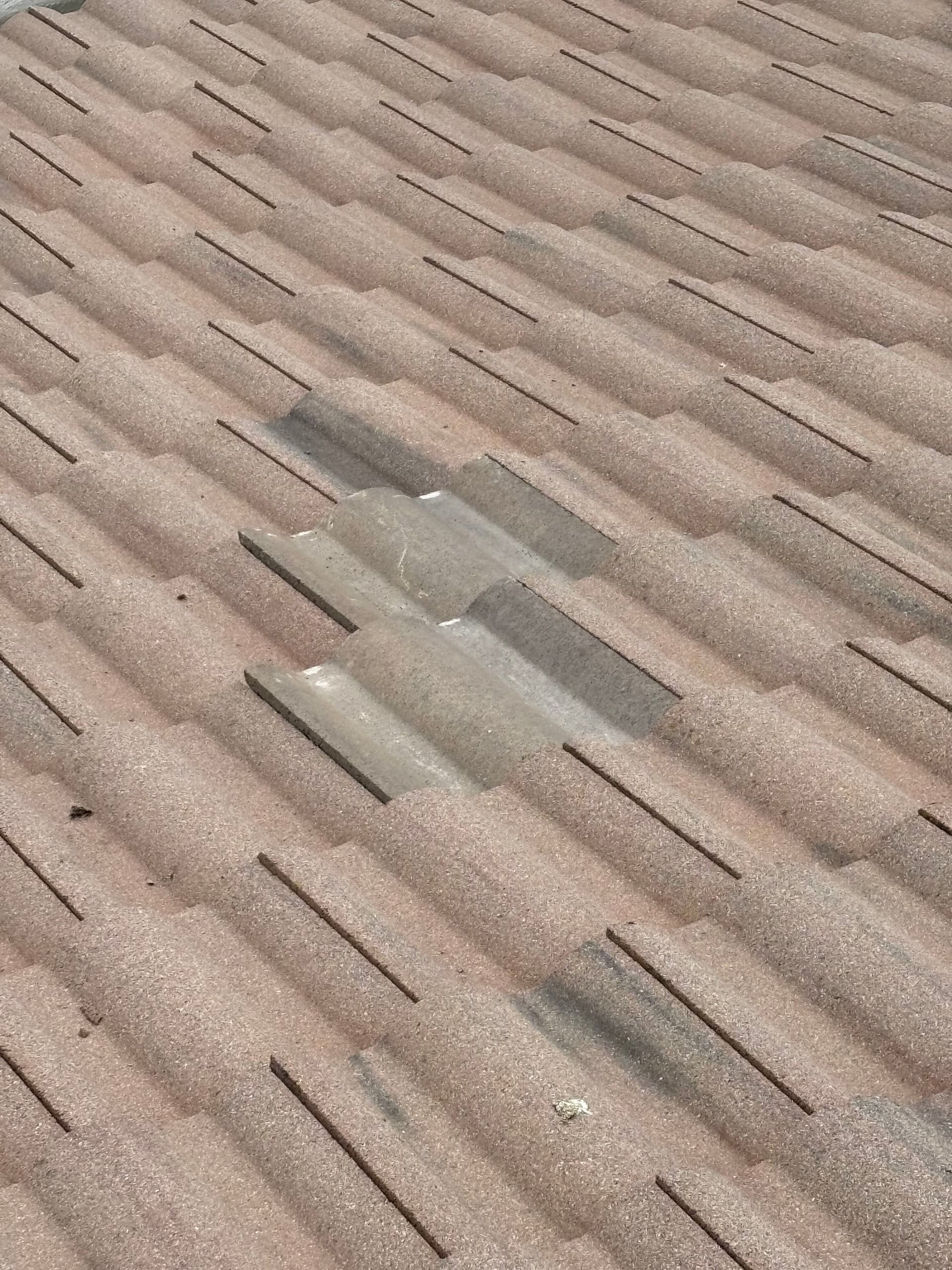
Tile roofs are built to last - but they're not maintenance-free. Over time, tiles shift, mortar cracks, and the seals around vent pipes break down. None of it looks like a big deal from the ground. But up on the roof, those small gaps and broken sections are open invitations for water to get in.
On this job, we found slipped tiles that had left the underlayment exposed, cracked and broken tiles that needed full replacement, and deteriorating mortar around the vent pipe penetrations. Each one of those issues is manageable on its own. Left alone, they stack up fast - and what starts as a minor repair can become a full interior water damage situation.
We secured the slipped tiles, swapped out the damaged ones, and resealed the cracked areas around the vent pipes and mortar joints. We also cleaned out the gutters while we were up there. Clogged gutters cause water to back up along the roof edge, which only makes everything else worse. It's the kind of thing that gets overlooked but matters a lot.
That's really what a proper roof inspection and repair comes down to - getting eyes on the whole system and taking care of the little things before they become costly ones. Tile roofing is durable, but it needs to be treated as a system, not just individual tiles. When all the pieces are working together, the roof does its job.
If your tile roof hasn't been looked at in a while, or you've noticed anything that seems off, it's worth having someone take a look. Catching issues early is almost always cheaper than waiting.