Tile Roof Valley Repair and Mortar Fix Done Right
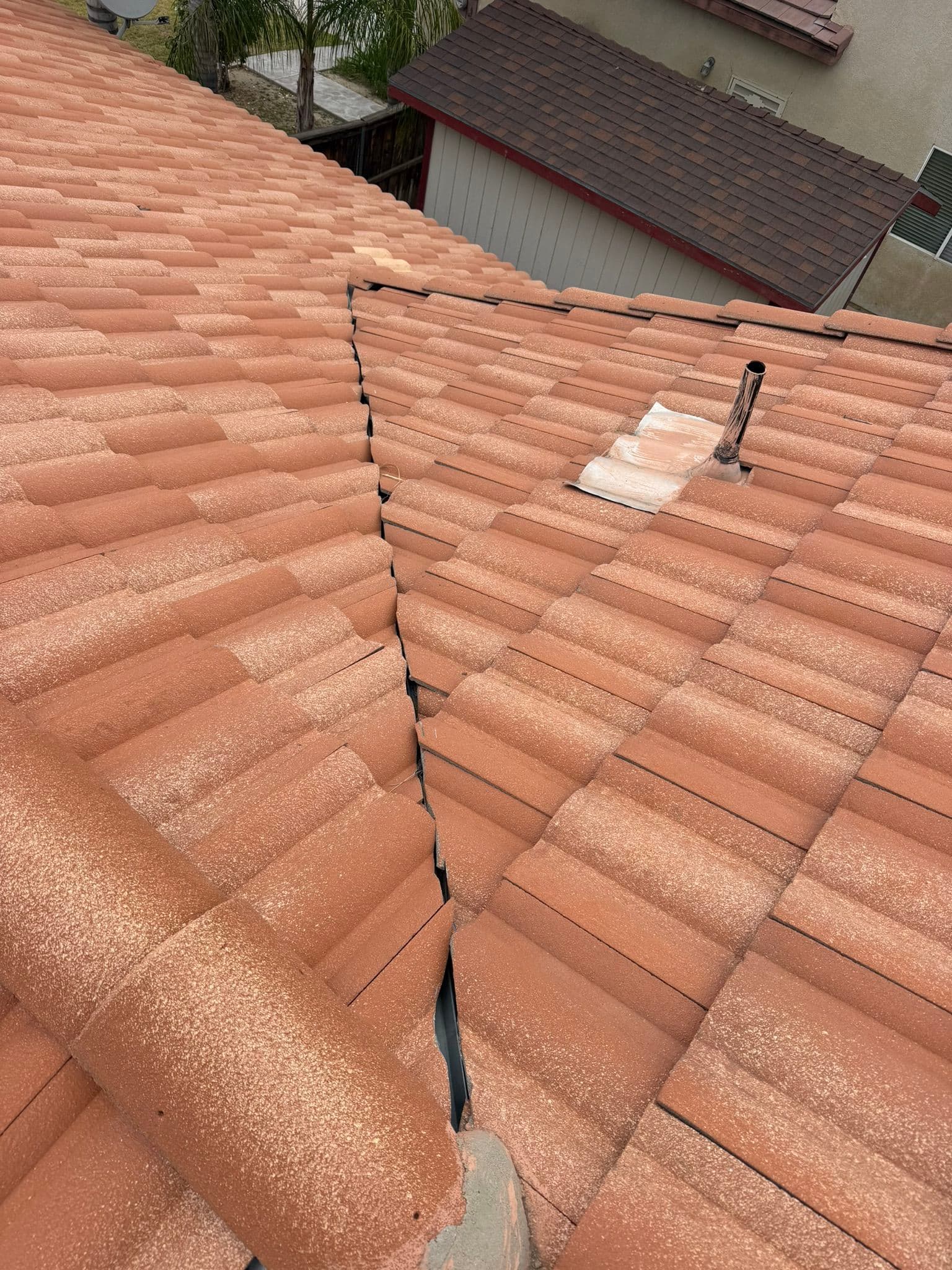
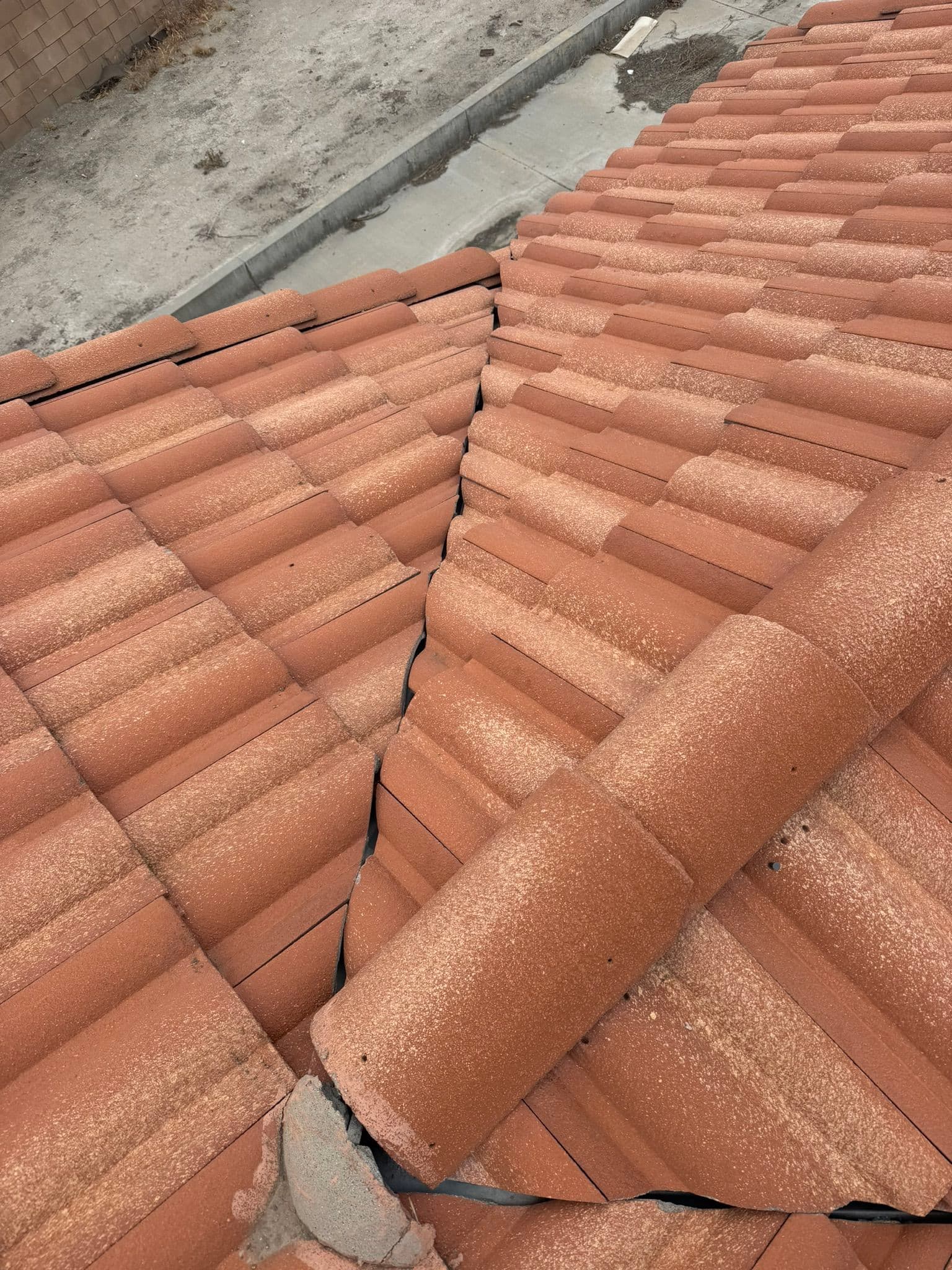
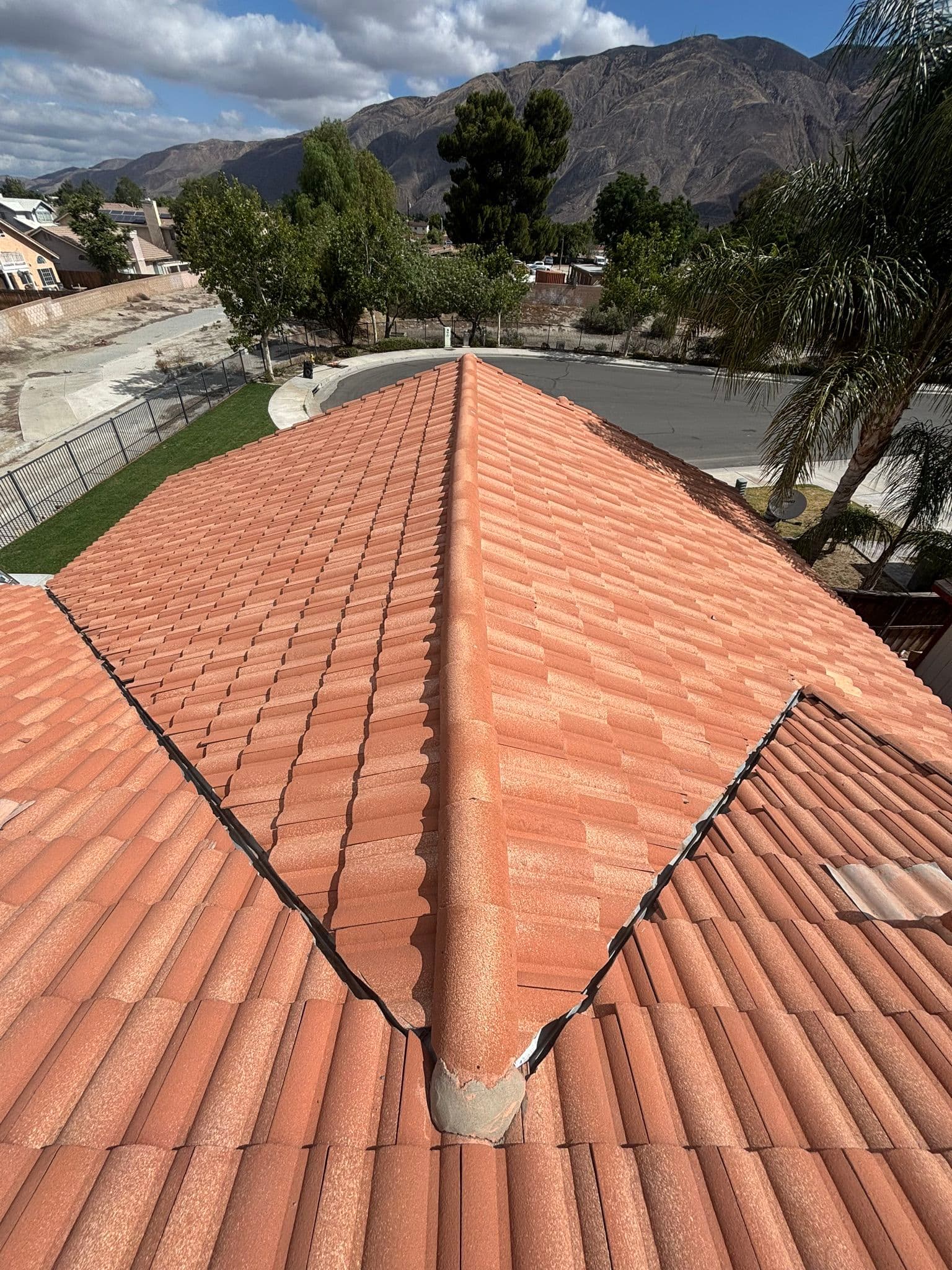
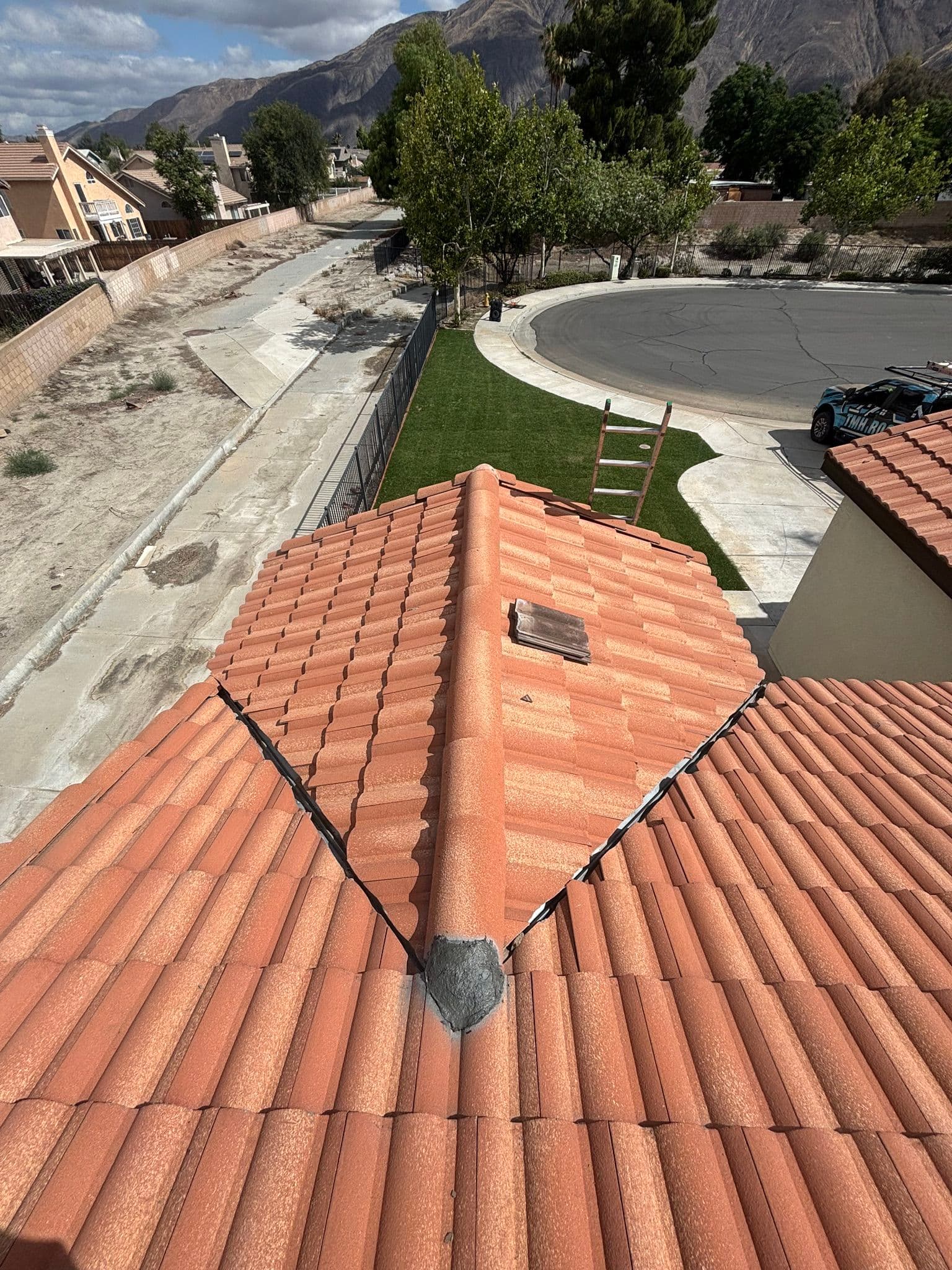
Tile roofs are built to last - but they do have a few weak spots. The valleys are one of them. Where two roof planes meet, water funnels down fast. If those valleys are too tight or the mortar holding everything together starts to crack and crumble, you've got a leak waiting to happen. It's one of the most common issues we see on older tile roofs.
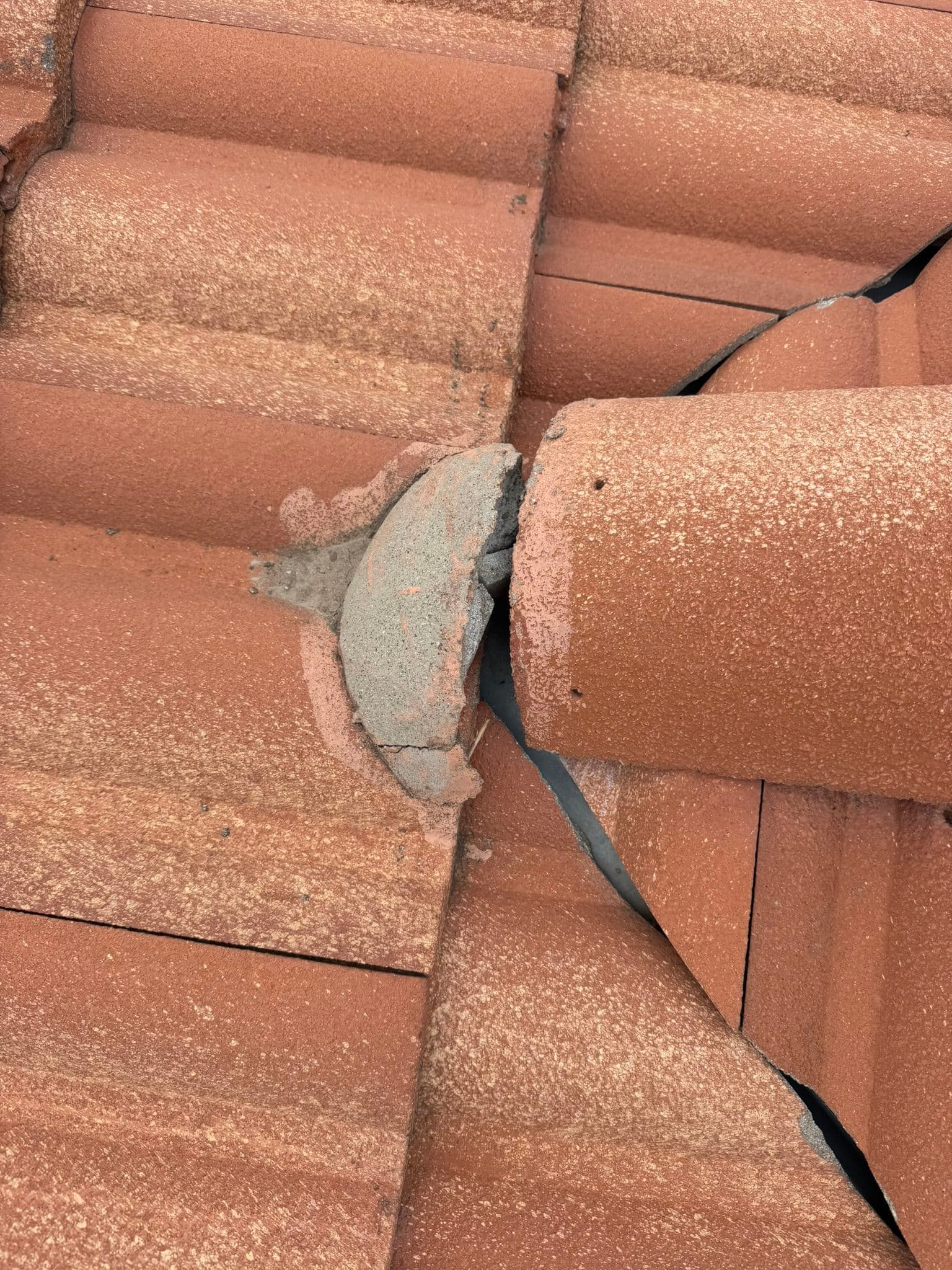
Here's what we were working with on this one. The valleys were too narrow, so water had nowhere to go but under the tiles. On top of that, the mortar joints had broken down in several spots - completely exposed and open to the elements. A few tiles were cracked as well, which only added to the problem. Left alone, this kind of damage works its way into the underlayment and decking pretty quickly.
We widened the valleys to give water a proper path off the roof. Then we went through and repaired the failing mortar, replaced the cracked tiles, and made sure everything was seated correctly. It's detail-oriented work - not glamorous, but it matters. Getting the valley geometry right and re-establishing solid mortar bonds is what keeps a tile roof doing its job for years to come.
This is exactly the kind of thing a proper roof inspection catches early. A lot of homeowners don't think about their tile roof until water shows up inside. By then, the damage is usually bigger than just a few cracked tiles. Routine tile roof maintenance - checking valleys, mortar, and individual tiles - is what keeps a small fix from turning into a major repair.