Tile Roof Valley Repair That Actually Fixes the Leak
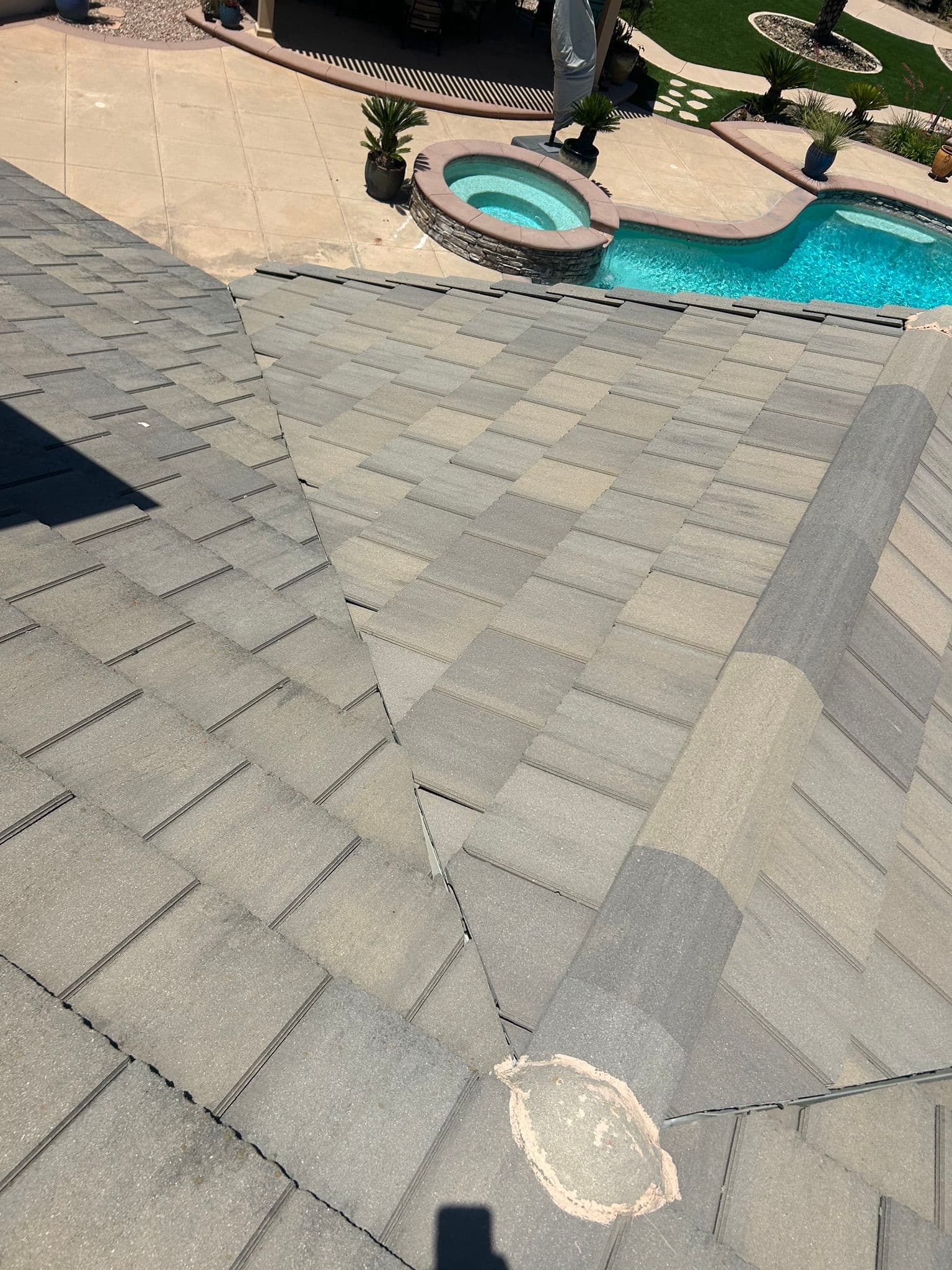
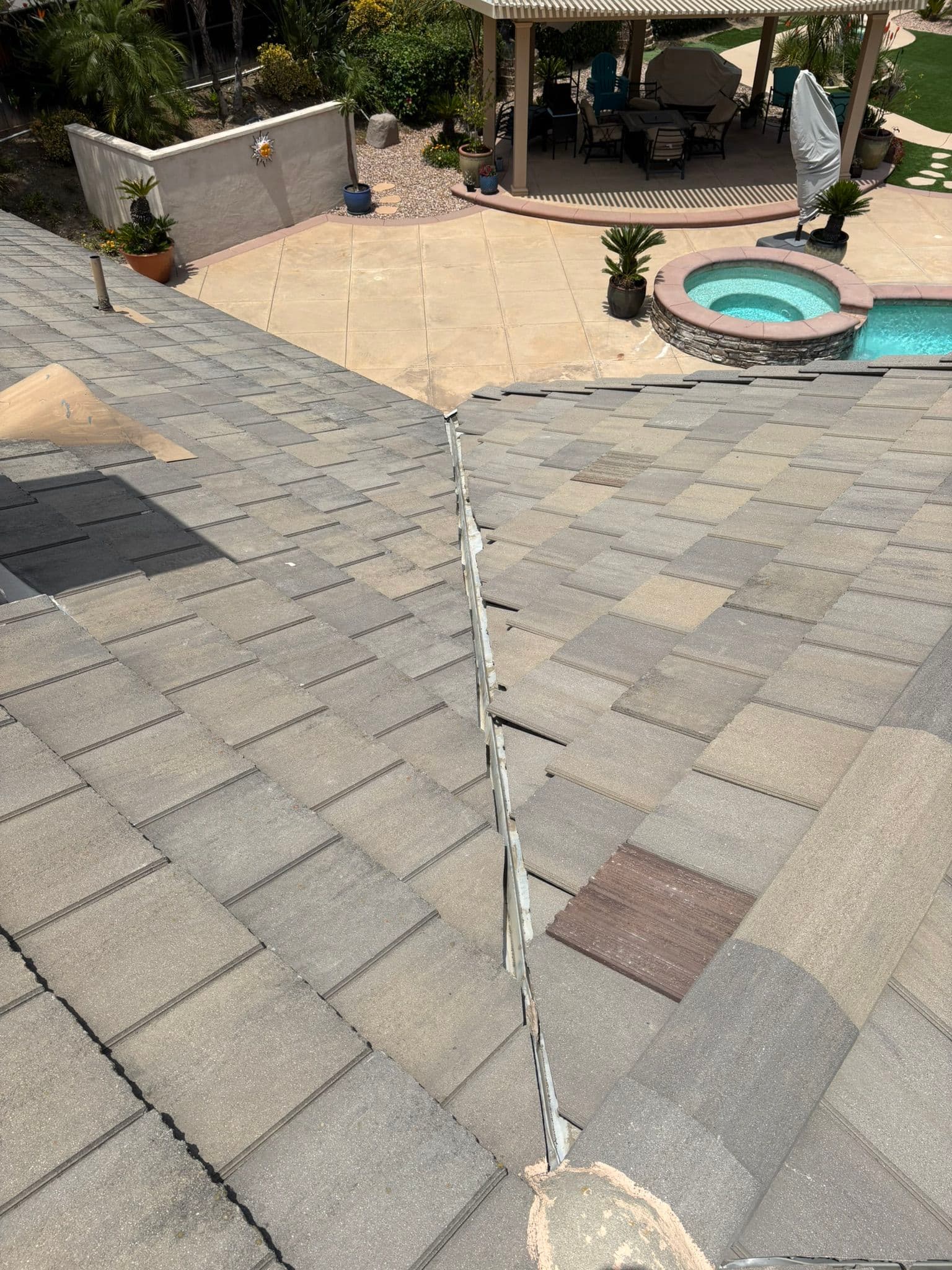
On tile roofs, the valley is where two roof slopes meet - and it's one of the most water-sensitive spots on the whole structure. When a valley is too tight or improperly set, water doesn't flow down and off cleanly. Instead, it gets pushed sideways, works its way under the tiles, and slowly destroys the underlayment beneath. By the time you notice a leak inside, the damage underneath has usually been building for a while.
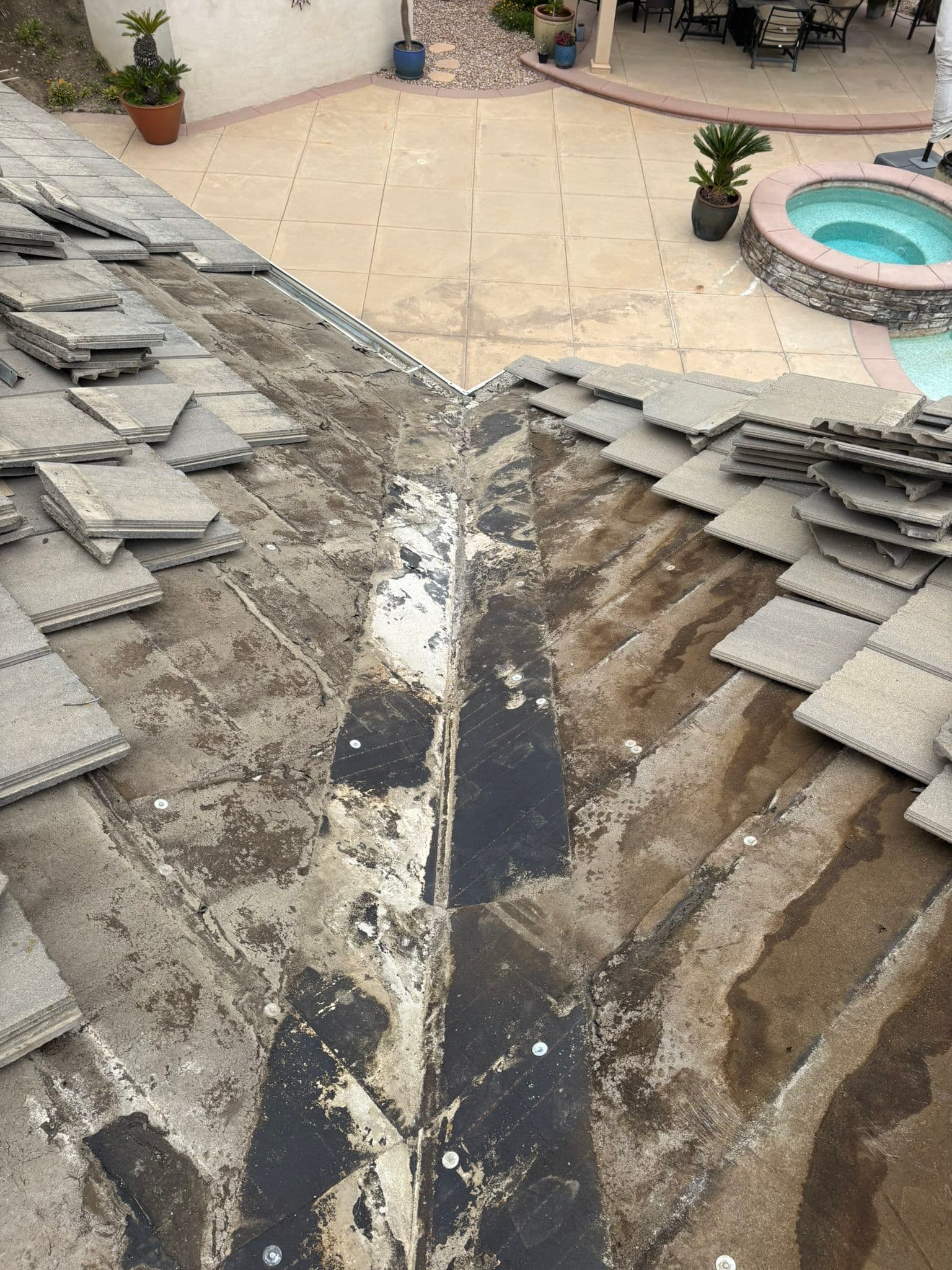
That's exactly what we were dealing with here. The valley had been holding water the wrong way, and the underlayment underneath had taken a beating because of it. You can see the condition of that underlayment once the tiles came off - stained, worn through in spots, and no longer doing its job. No amount of patching over the tiles was going to fix this one.
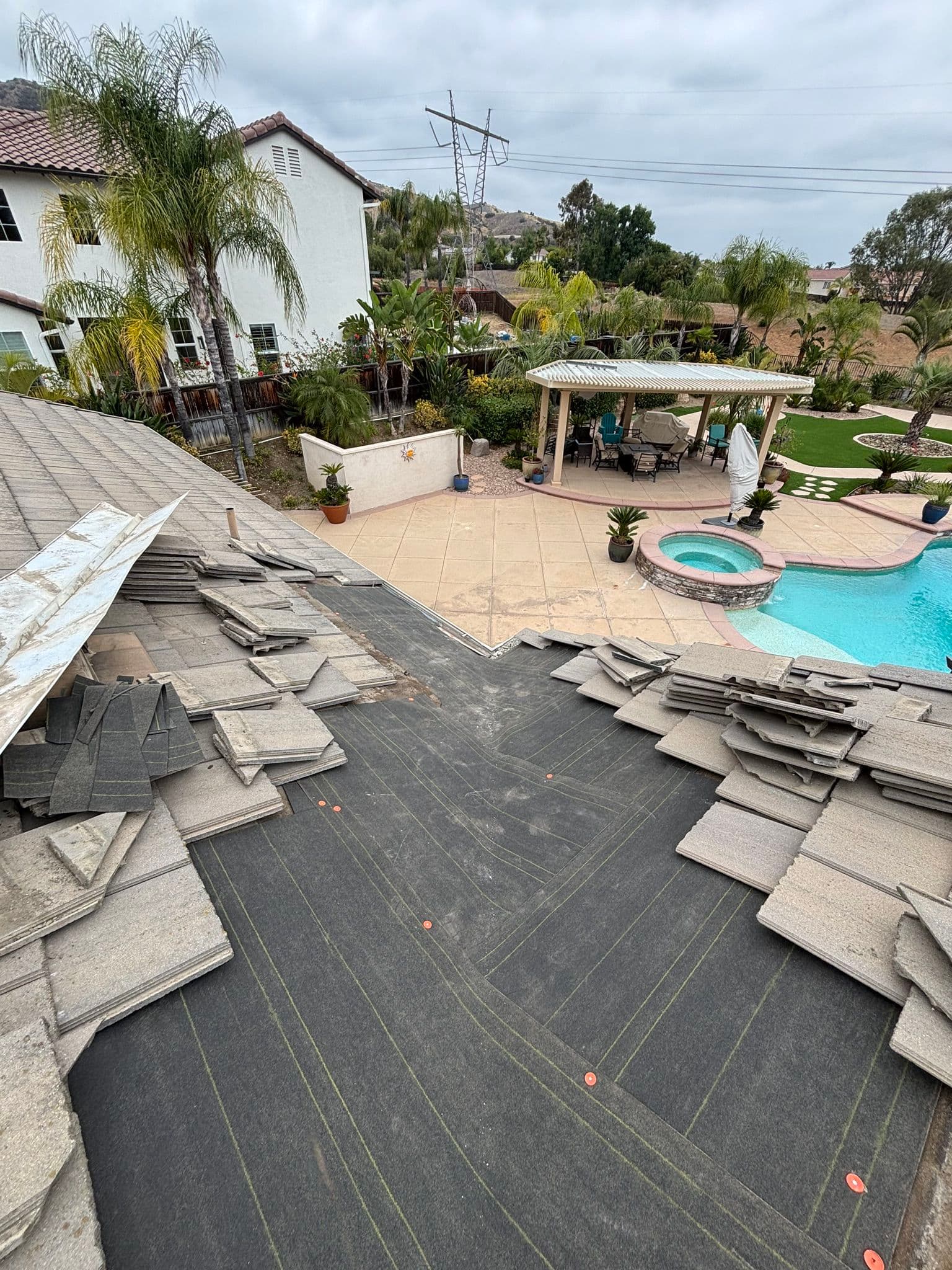
So we did it right. Tiles pulled, damaged underlayment removed and replaced, metal valley flashing reset so water has a clean, open channel to run off the roof the way it's supposed to. Then the tiles go back - carefully, in the correct layout, so everything seats properly and the valley stays open.
This is the kind of roof repair work that actually solves the problem rather than just hiding it. A tight or failed valley will keep leaking no matter what you do on top of the tiles. Getting into the system - pulling the tiles, replacing what's underneath, and resetting everything correctly - is the only fix that holds long term.
If your tile roof has been showing signs of trouble - water stains on the ceiling, damp spots in the attic, or tiles that just don't look right - a valley issue might be exactly what's going on underneath. It's worth getting eyes on it before more of that underlayment gives out.