Tile Roof Warning Signs Most Homeowners Miss
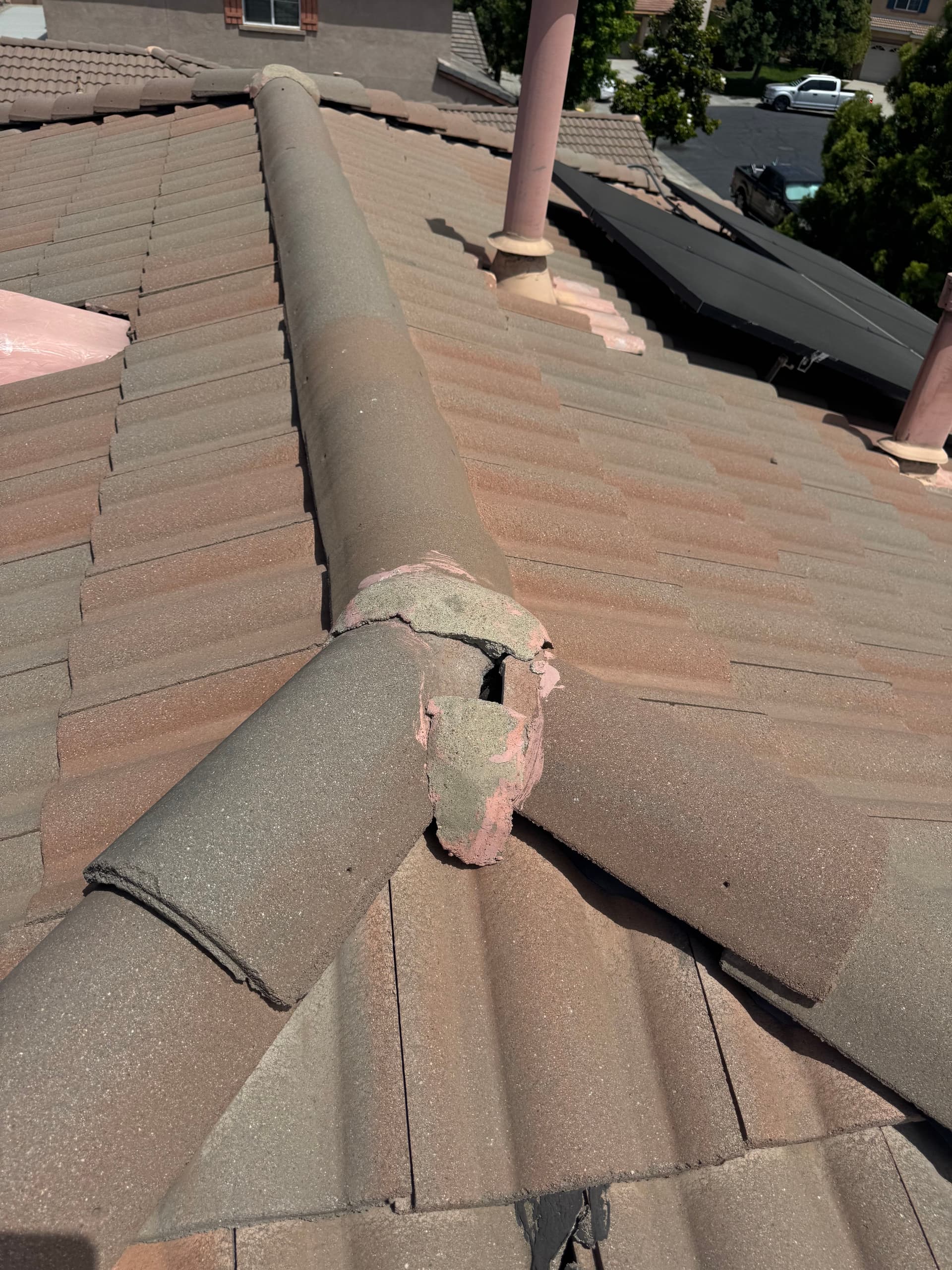
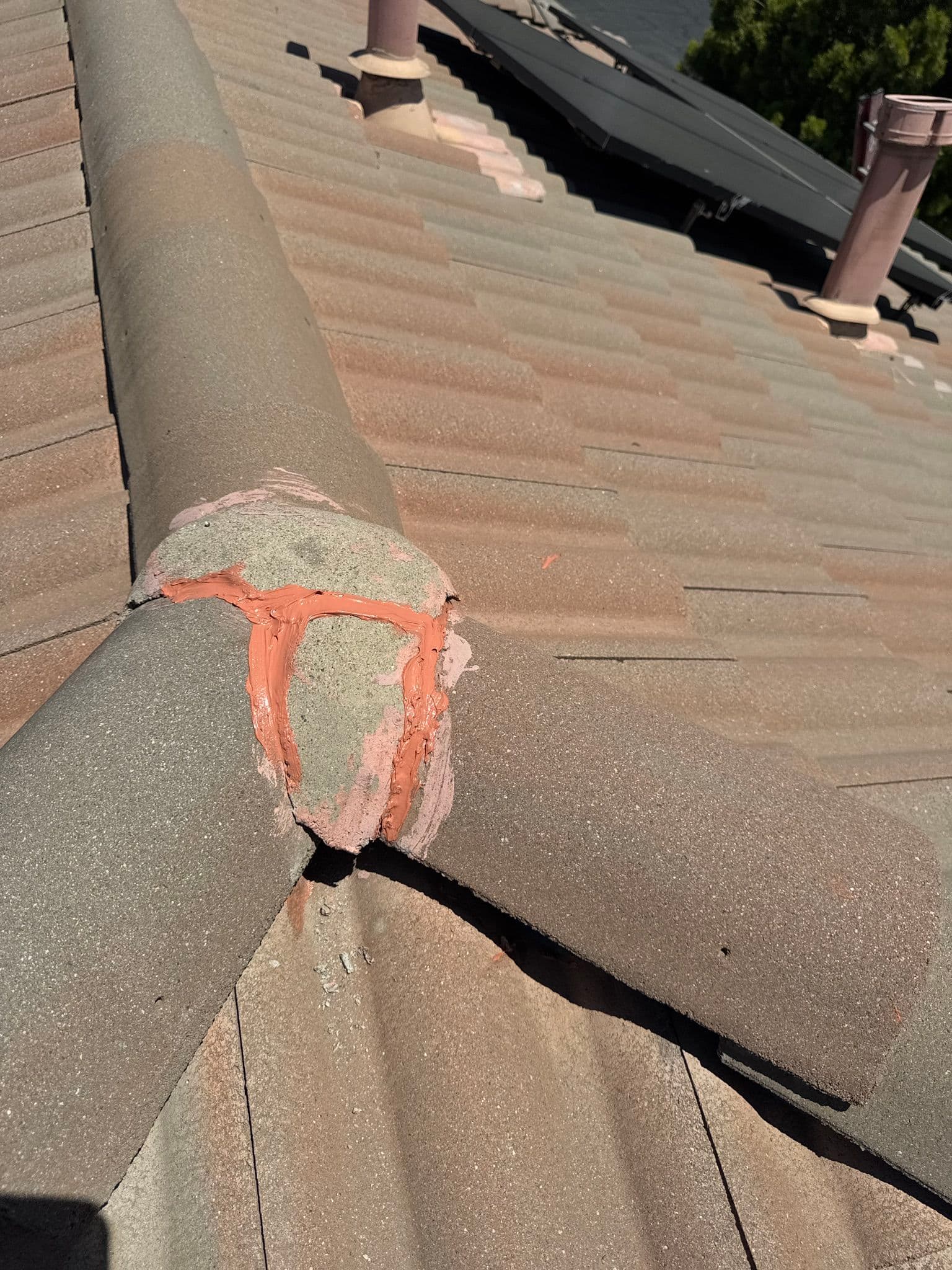
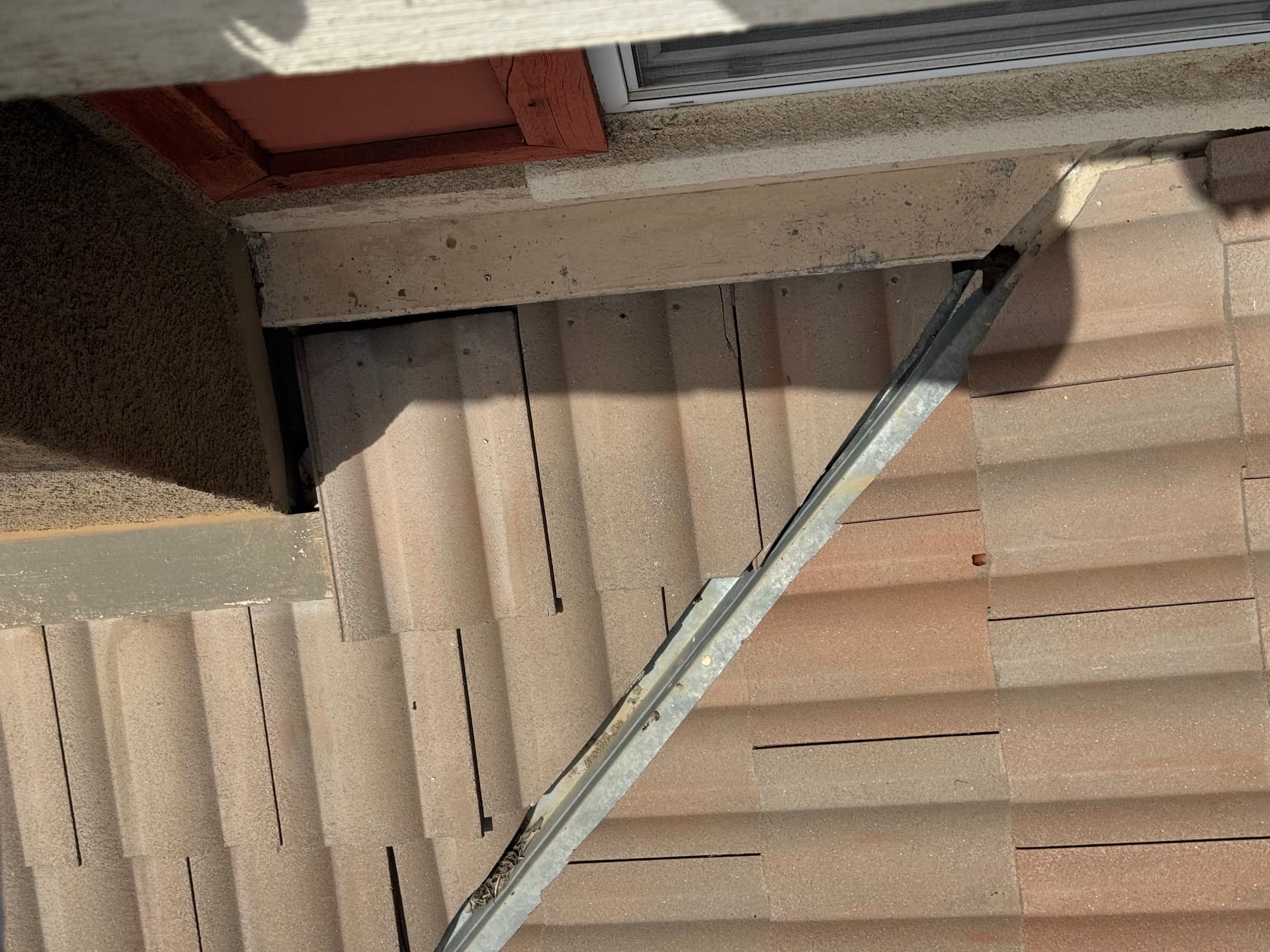
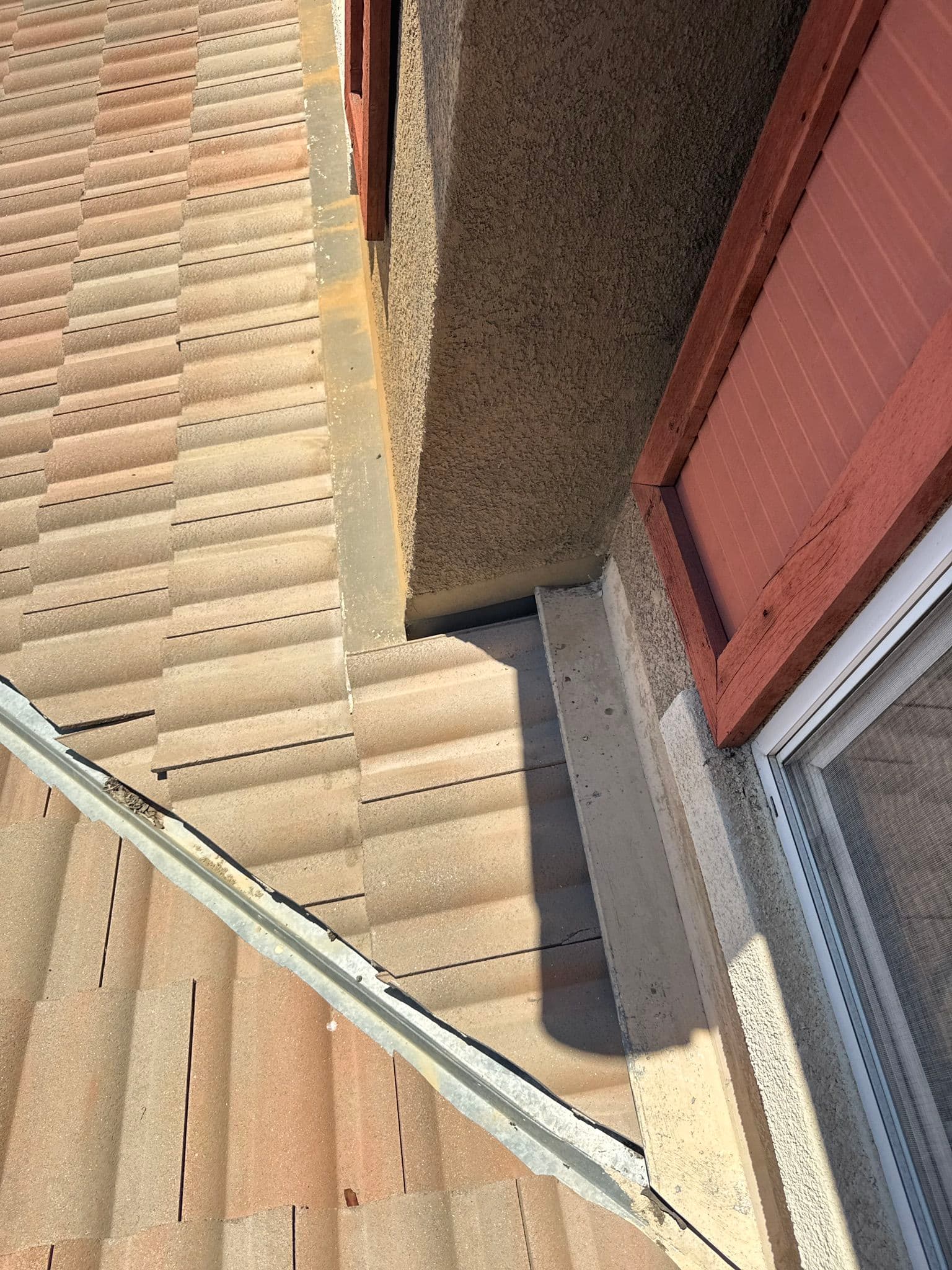
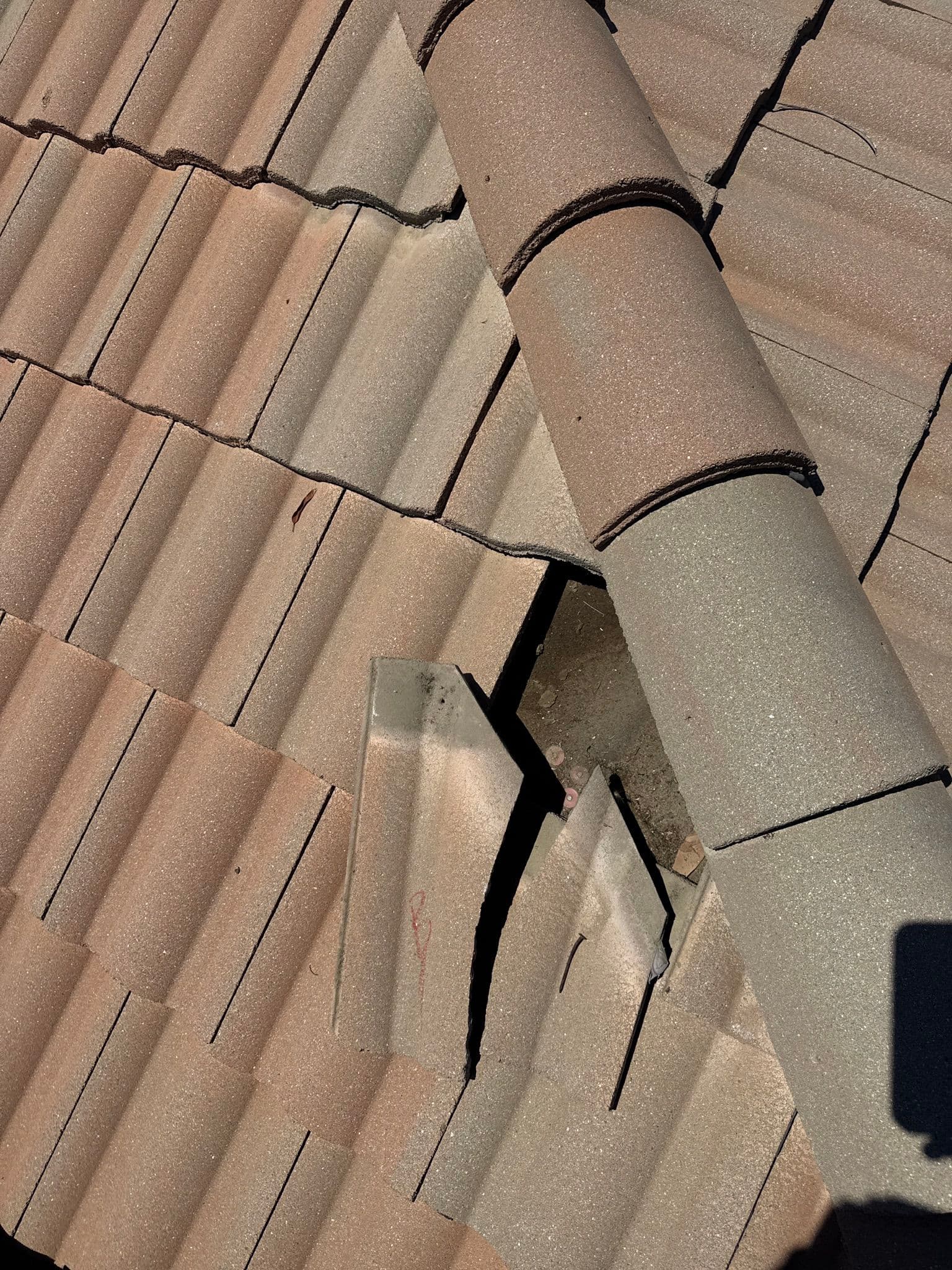
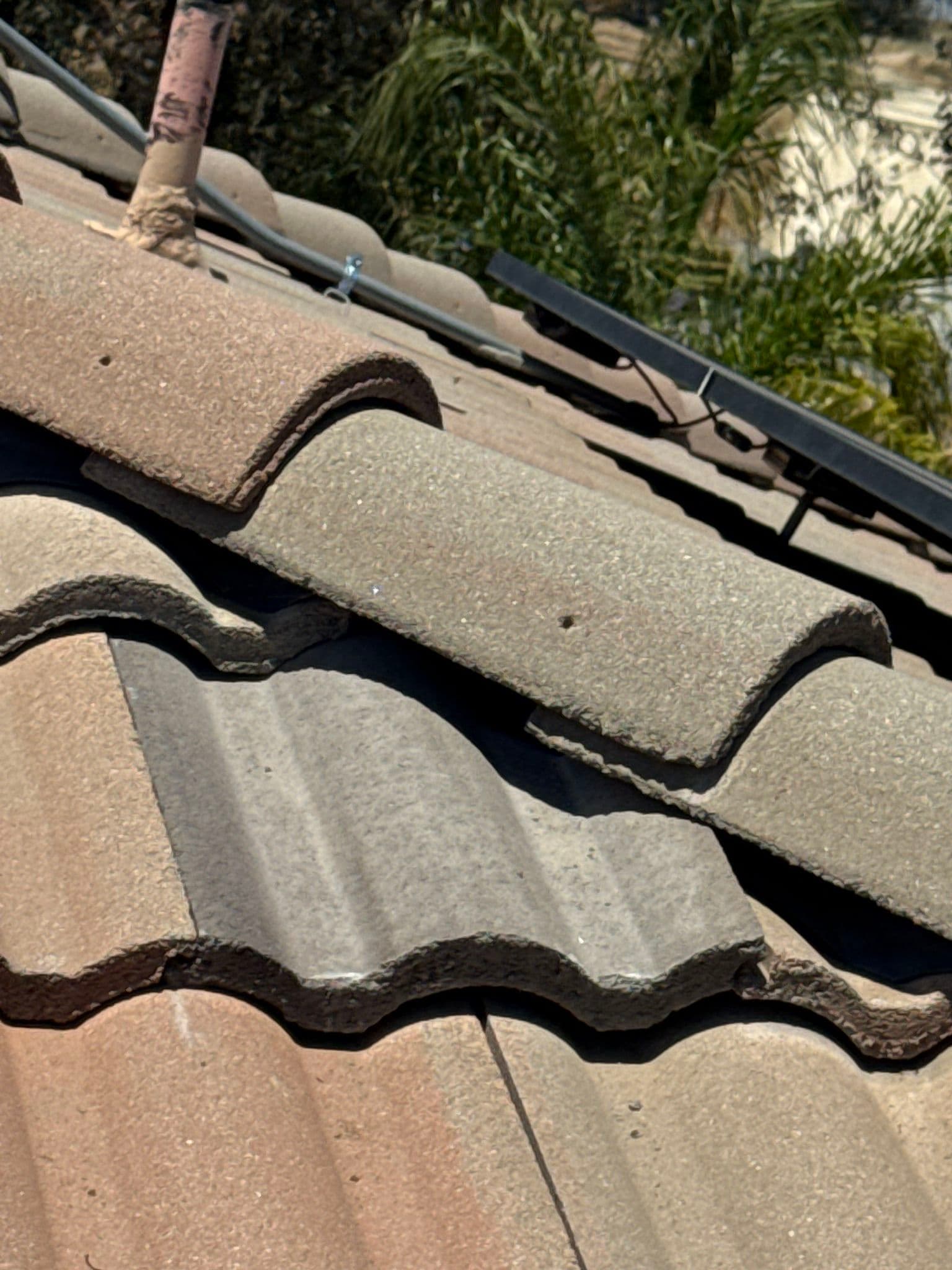
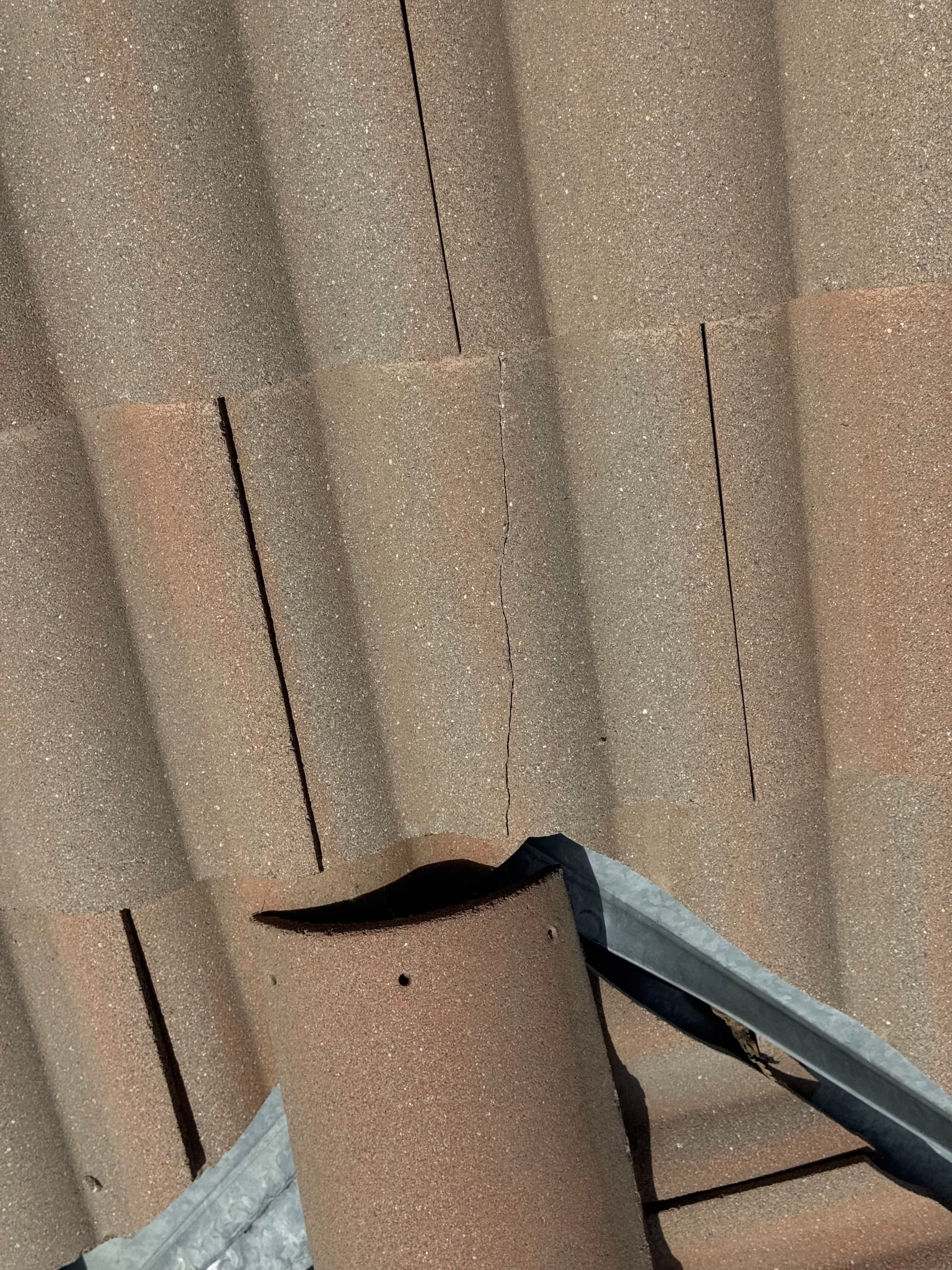
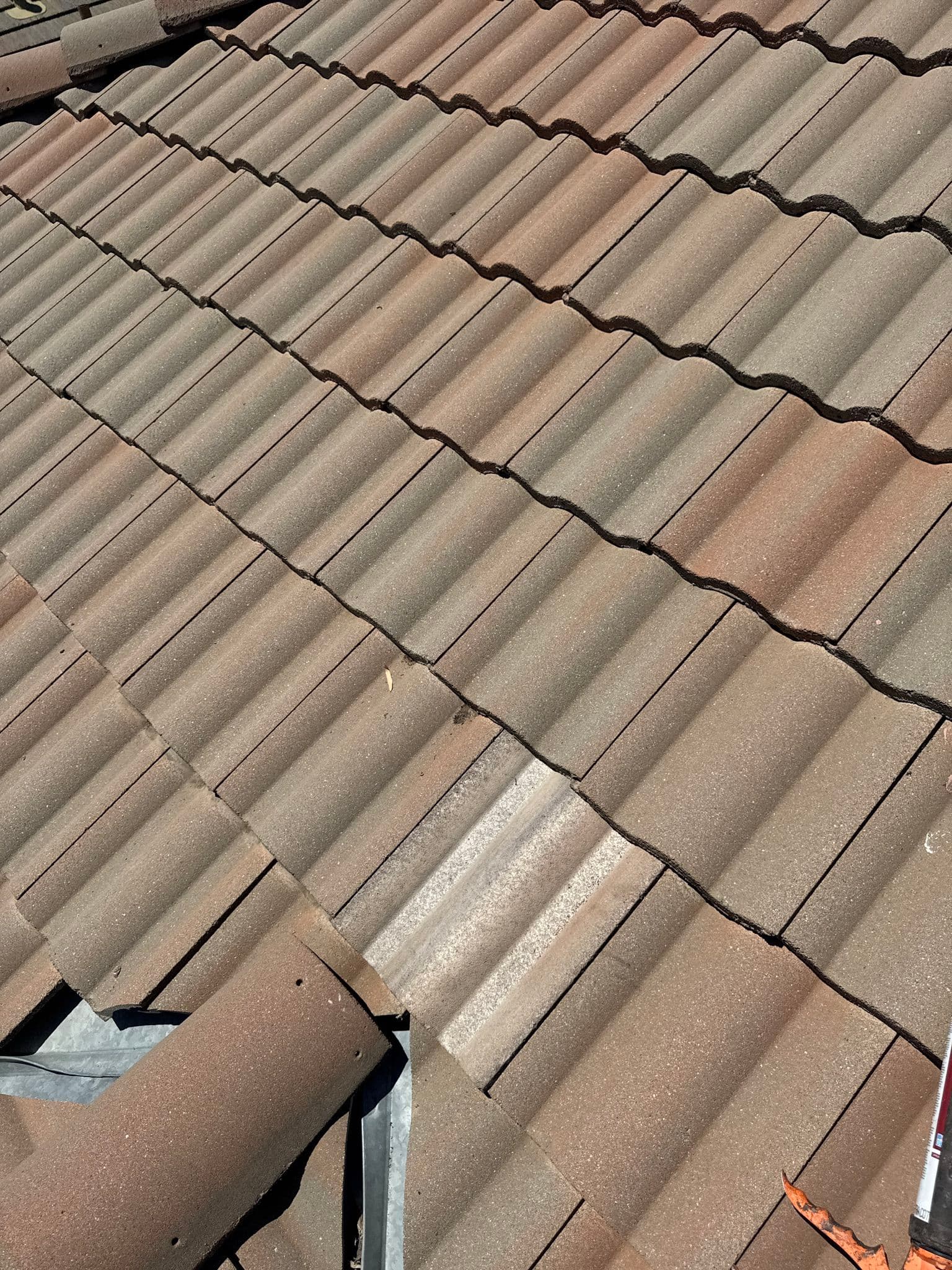
Tile roofs are built to last - but they're not invincible. Over time, the mortar that holds ridge caps in place breaks down, individual tiles crack or shift, and flashing around walls and edges starts to separate. None of that is visible from the ground. That's the problem.
Here's what we typically find when we get up on a tile roof for an inspection. Cracked ridge caps with the mortar completely blown out, leaving open gaps. Tiles that have slipped out of position and are no longer overlapping the way they should. Field tiles with clean hairline fractures running straight through them - which might look minor but are a direct path for water to get under the surface. These aren't rare findings. We see them constantly on roofs that look totally fine from the street.
The tricky part with tile roofing is that water rarely enters exactly where the damage is. It travels. A cracked tile near the ridge can send water several feet down before it ever shows up as a stain on your ceiling. By the time you notice it inside, there's usually underlayment damage or wood rot involved. Catching it early - before rain hits - is the whole game.
Our licensed team does thorough tile roof inspections and handles everything from ridge cap mortar replacement to cracked tile swaps to flashing repairs. We don't patch over problems with caulk and call it done. We identify what's actually failing and fix it the right way so you're not dealing with the same leak two seasons from now.
If you've got a tile roof and haven't had it looked at in a while, it's worth getting eyes on it. Small issues on tile are almost always fixable without a full replacement - as long as they're caught early enough.