What's Really Going On Under Your Tile Roof
Tile roofs look great for decades. That's kind of the problem. Because the tiles themselves hold up so well, homeowners assume everything underneath is fine too. It usually isn't. The underlayment - the waterproof layer that actually keeps water out - wears out long before the tiles do. And by the time you notice a leak inside your home, the damage is already done.
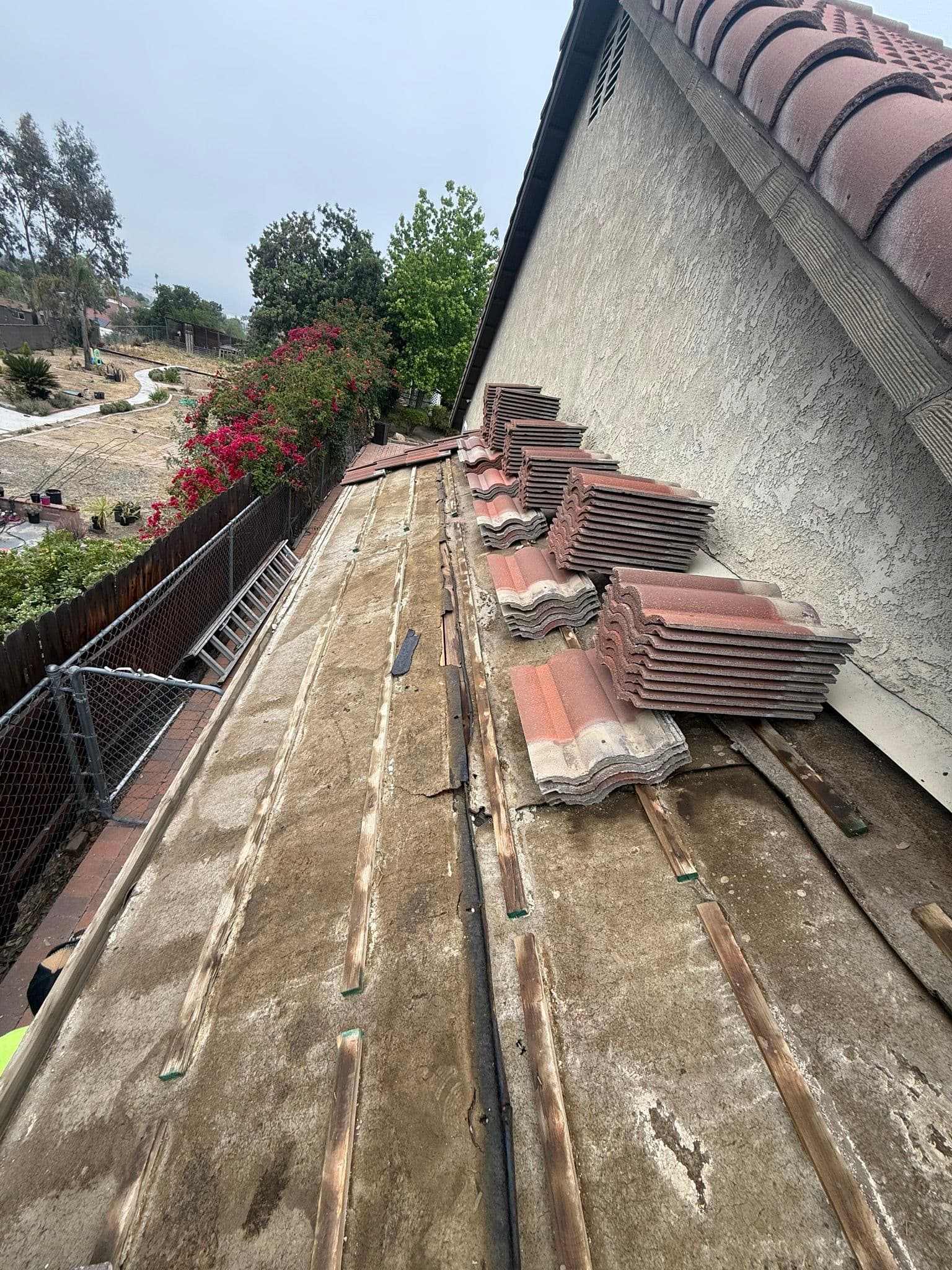
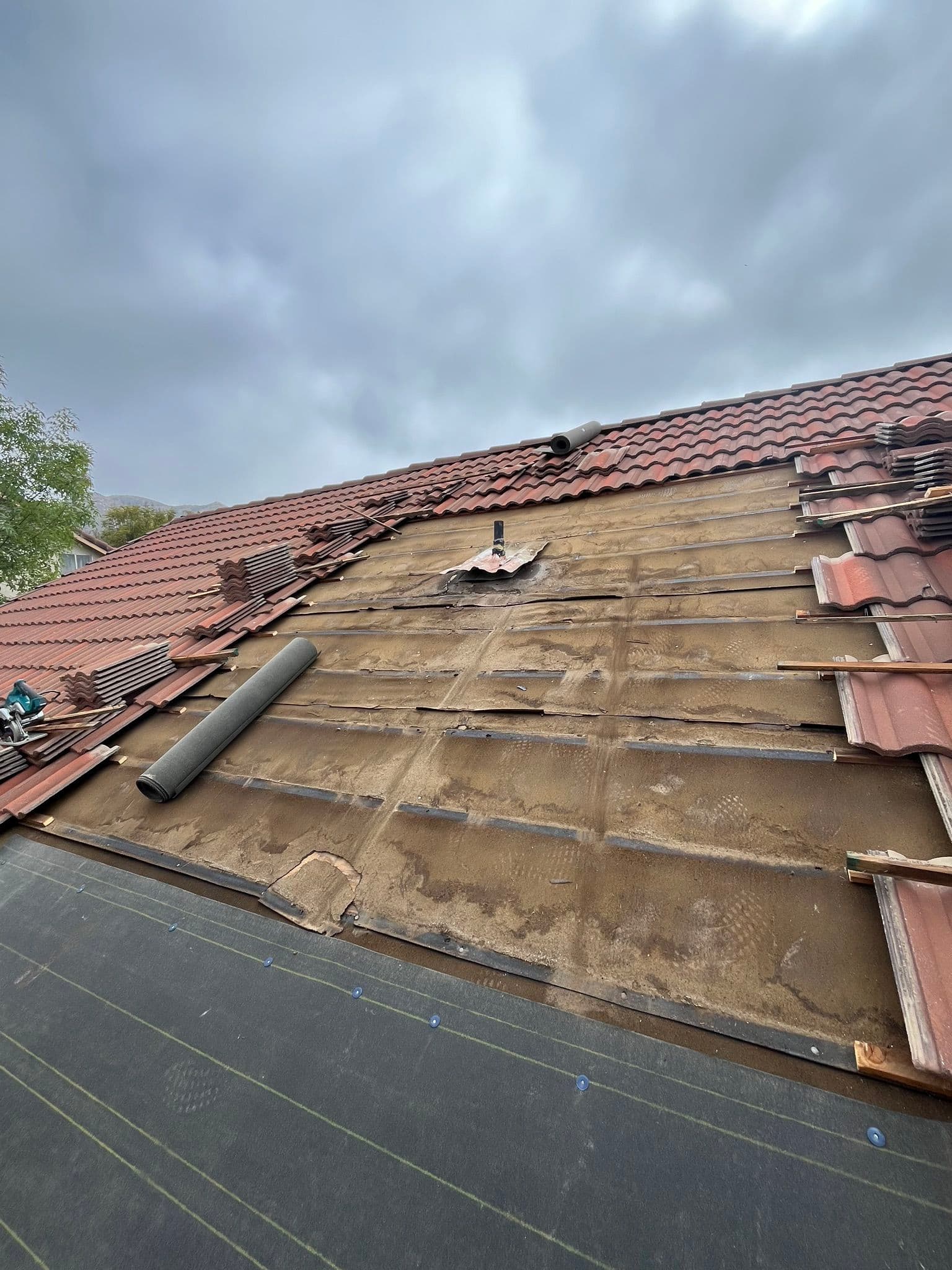
That's exactly what we were dealing with here. The existing underlayment was cracked, brittle, and completely worn through in spots. You'd never know it from the street. The tiles looked fine. But underneath, this roof was one good rainstorm away from a serious water intrusion problem. We pulled every tile, stripped out the old underlayment, and started fresh.
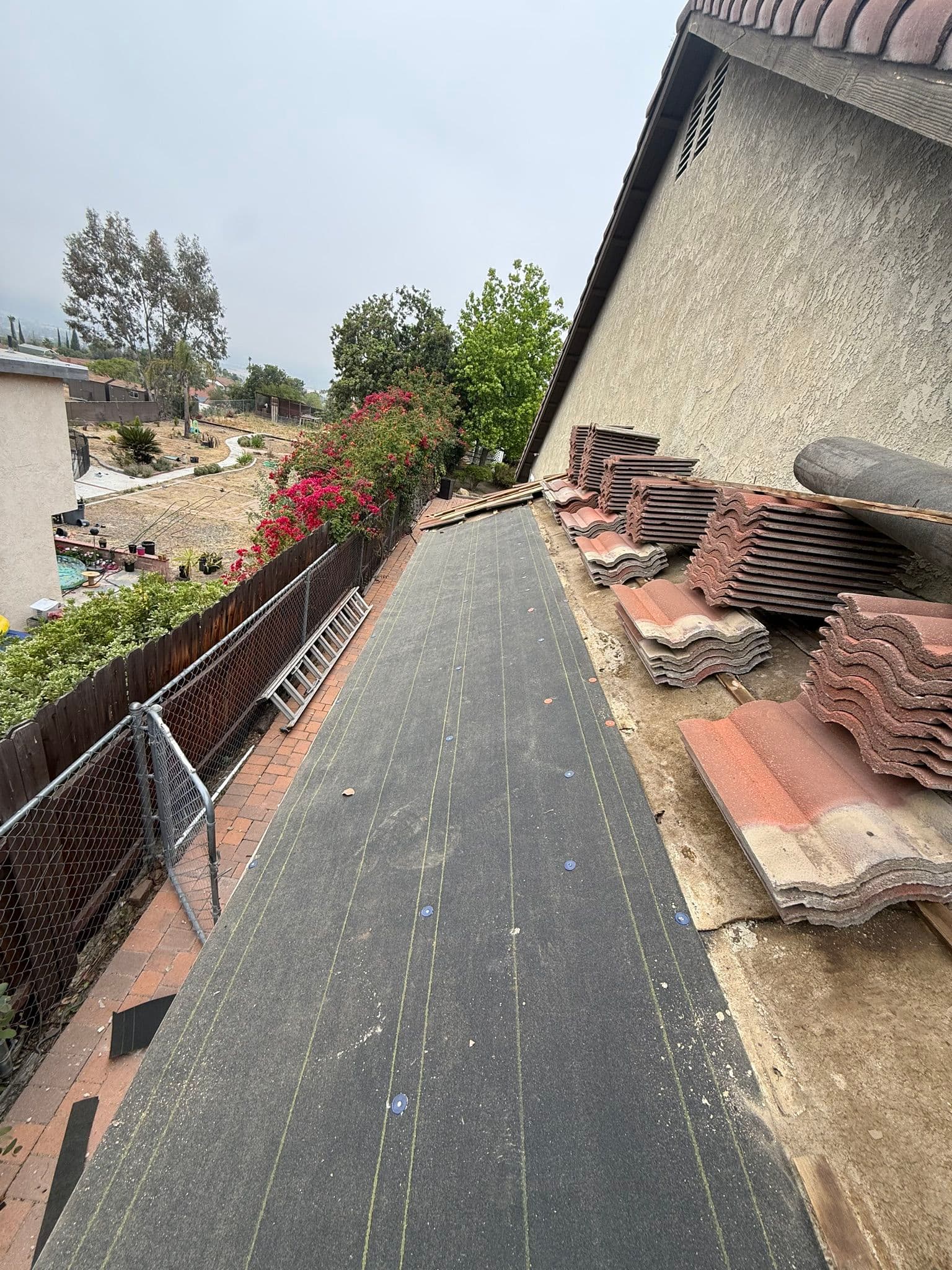
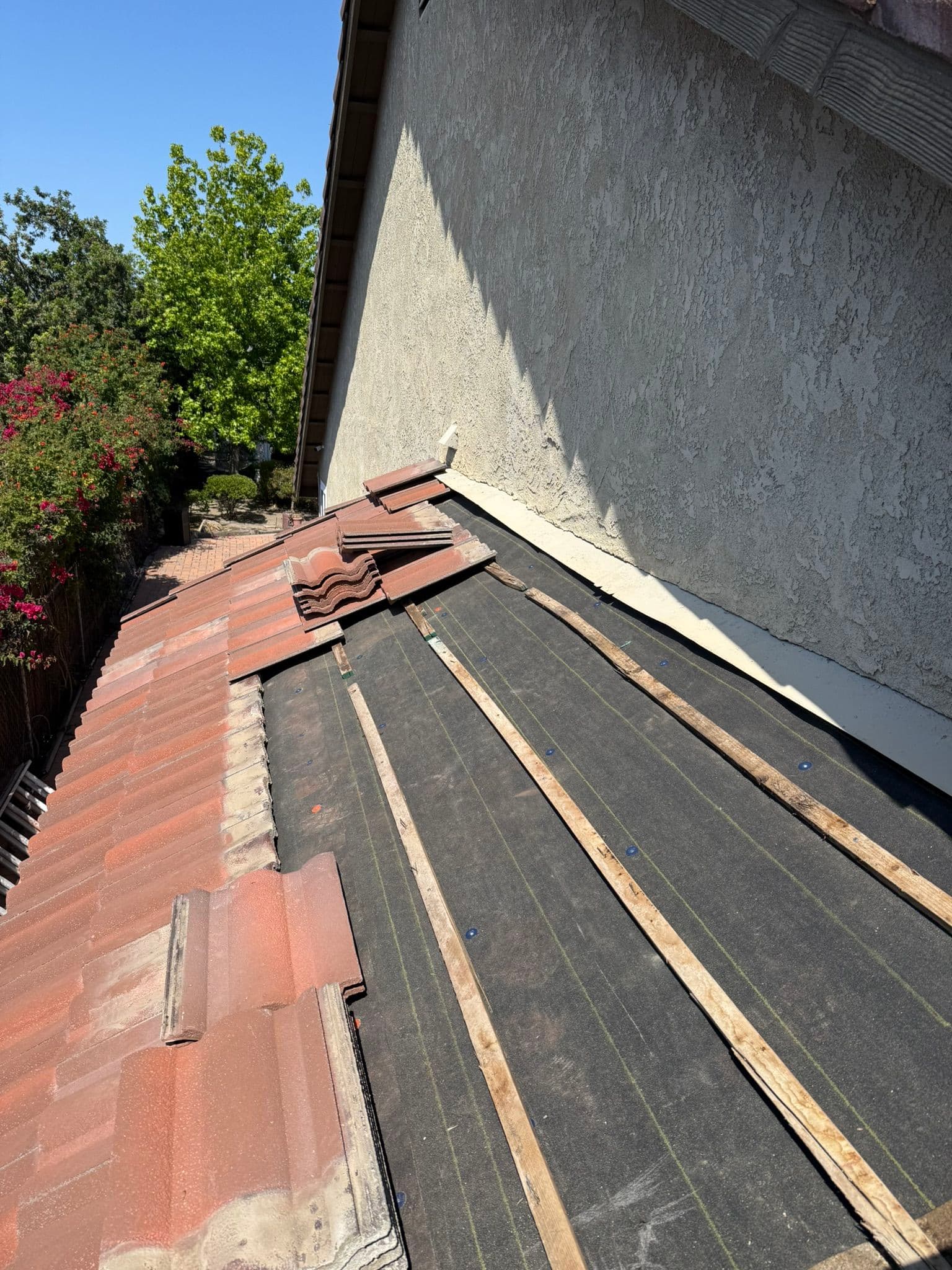
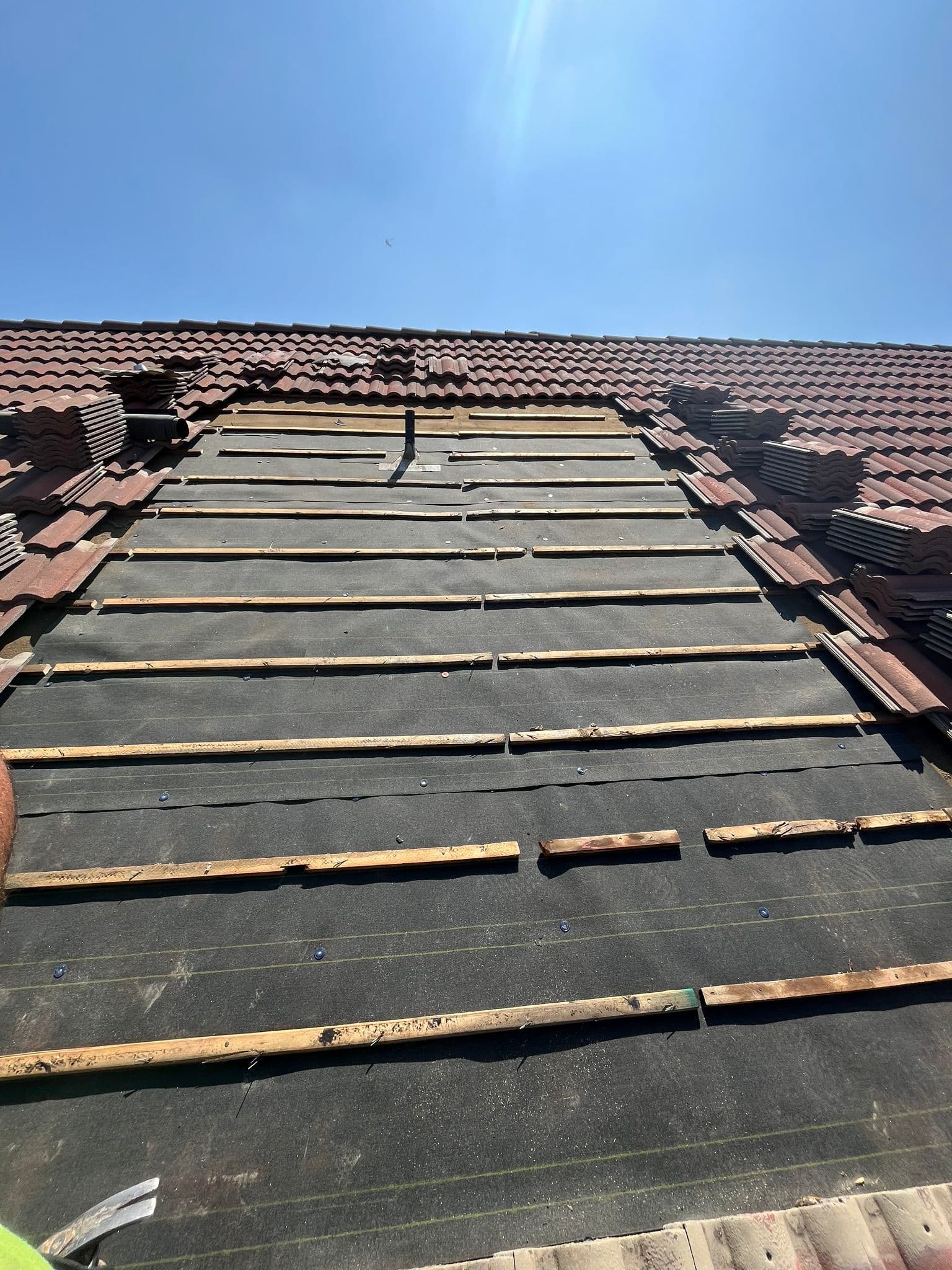
Here's why the process matters. You can't just slip new underlayment under existing tiles - it doesn't work that way. Every tile has to come off carefully so it can be reused. Then the new underlayment goes down clean and flat, followed by the battens, and then each tile gets relaid in the correct order and pattern. It's methodical work. Cut a corner anywhere in that sequence and you're back to square one.
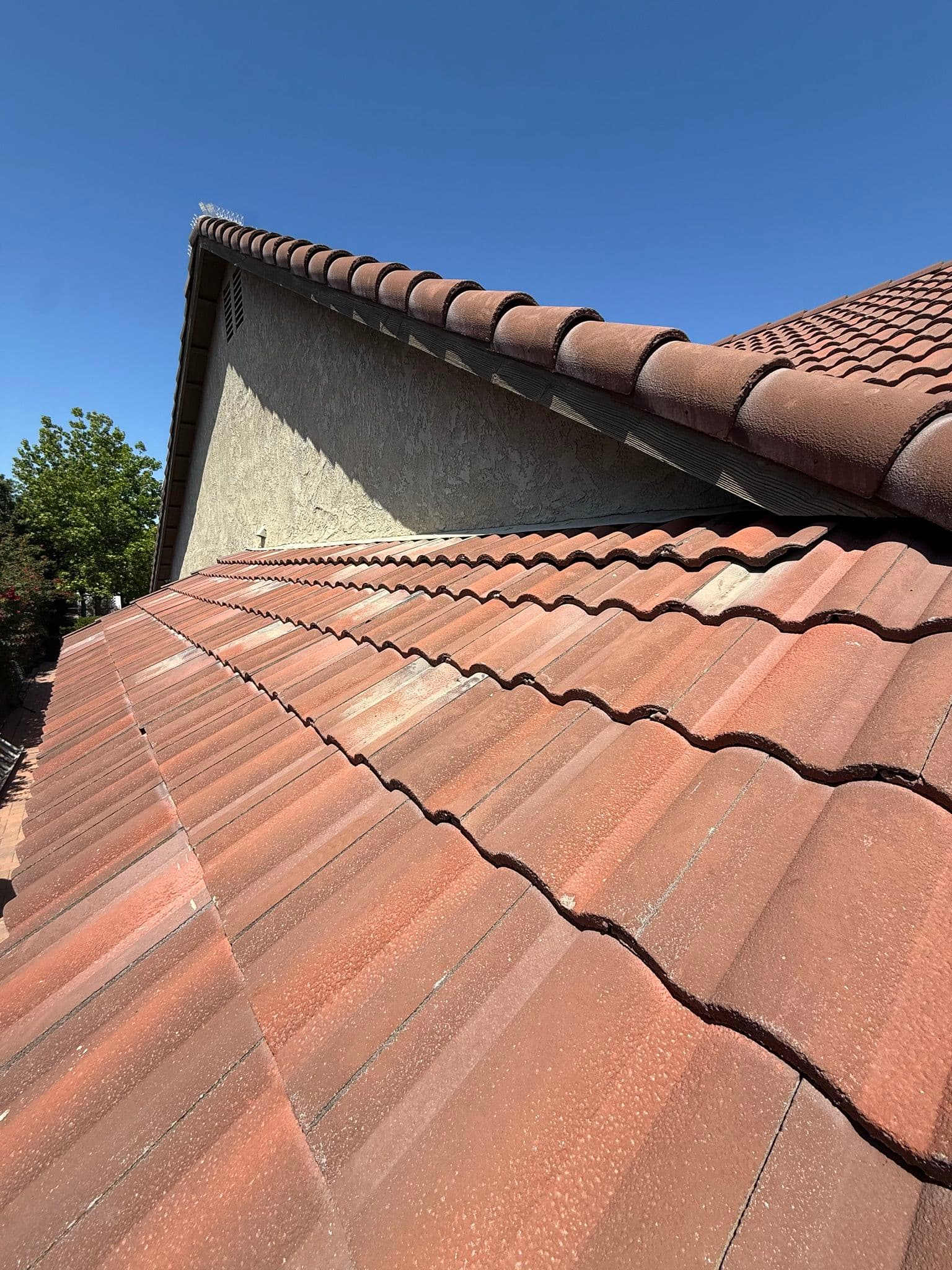
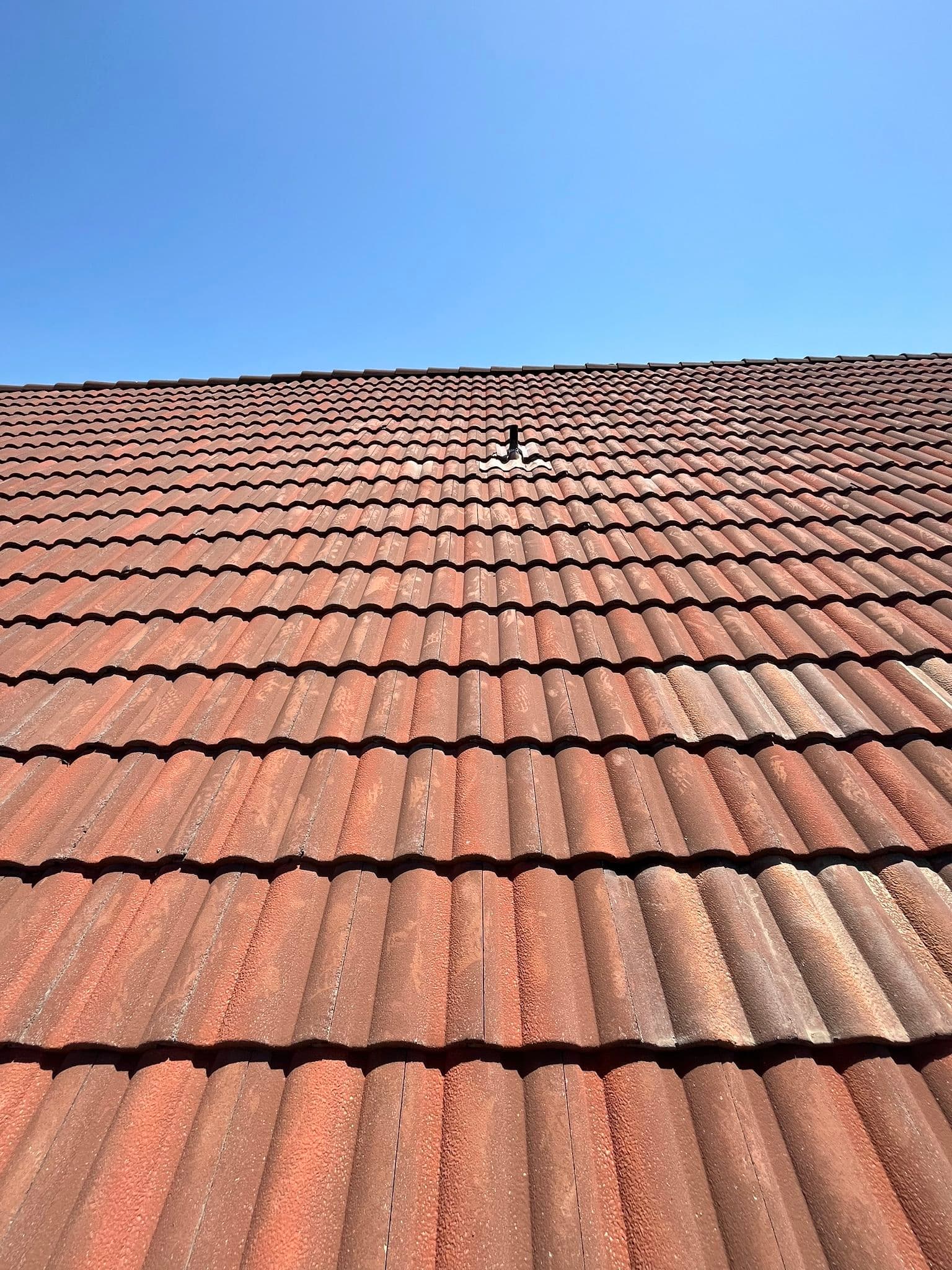
What you end up with after a job like this is a tile roof that actually performs the way it's supposed to. The tiles get their original character back. The underlayment is fresh and fully waterproof. And the homeowner gets real peace of mind instead of just hoping for the best every time it rains. That's what a proper tile roofing installation looks like from the inside out.
If your tile roof is getting up there in age, the tiles being intact doesn't mean the roof is healthy. The underlayment has a lifespan, and it's almost always shorter than the tiles sitting on top of it. Getting a closer look before a leak shows up is always the smarter move.