Why a Small Tile Roof Leak Is Never Just a Small Problem
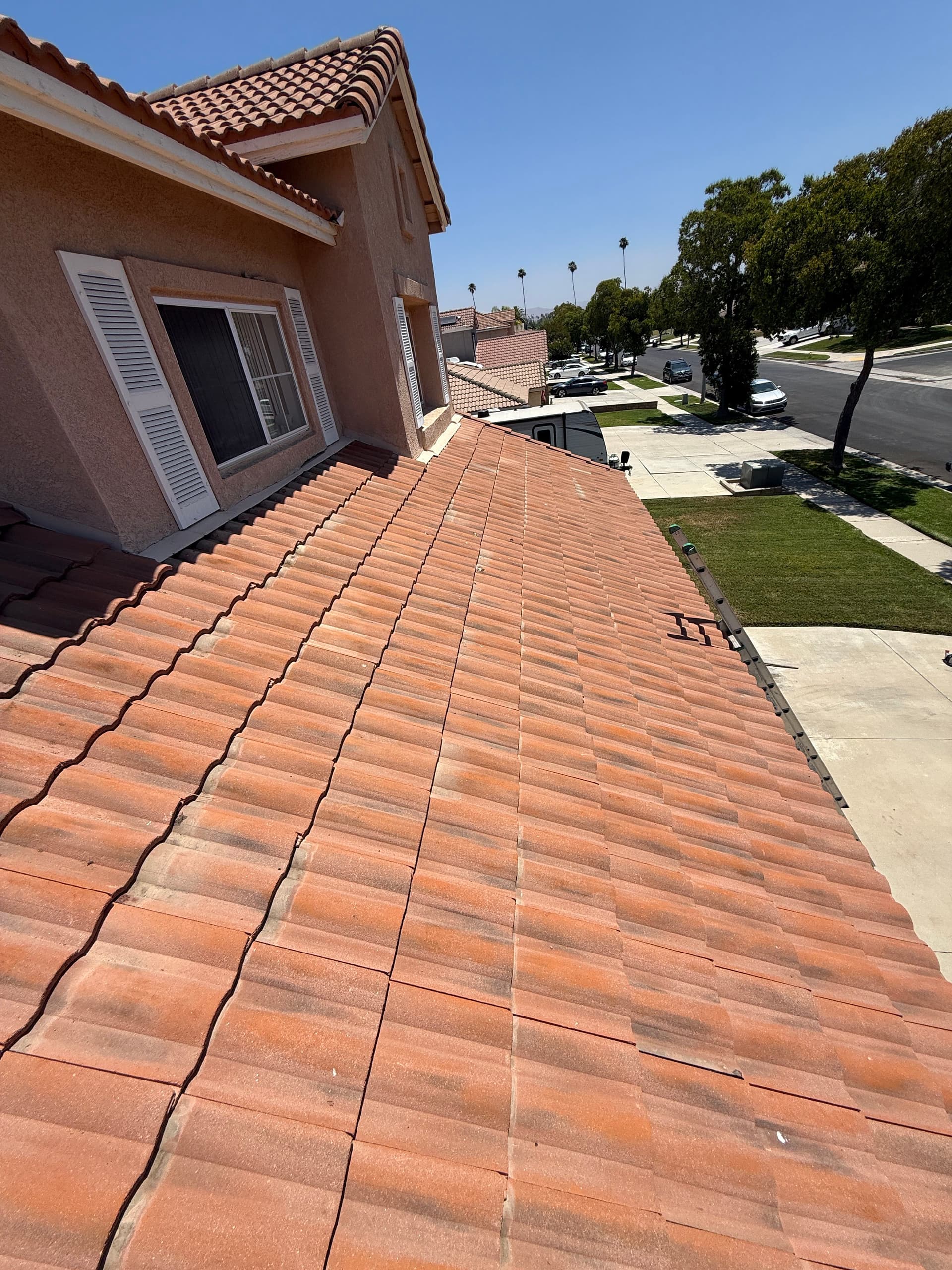
Here's something most homeowners don't realize - water doesn't stay where it enters. It finds the path of least resistance and travels. So by the time you notice a stain on your ceiling or a drip in your living room, the source of the problem could be several feet away from where the damage shows up inside.
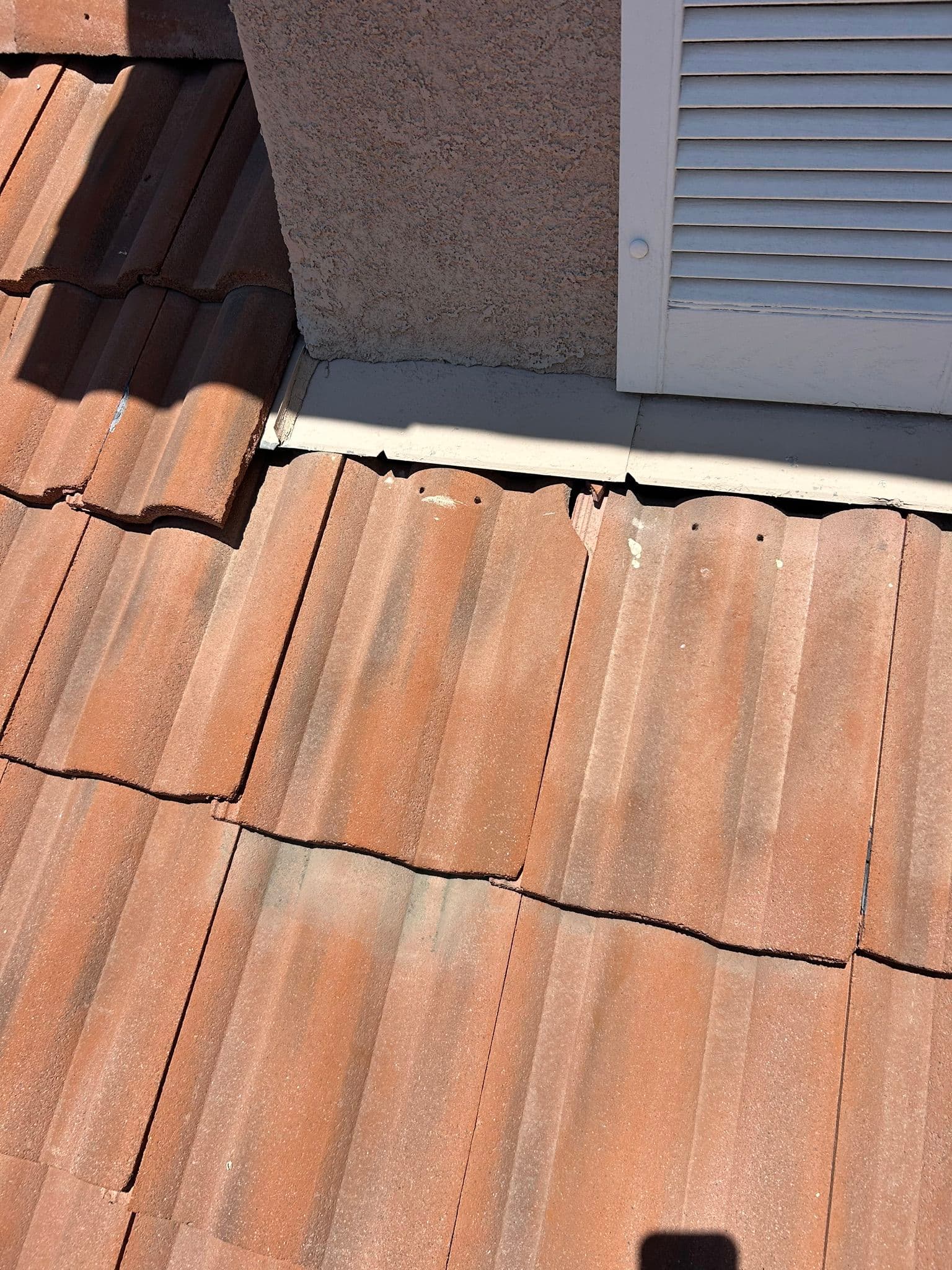
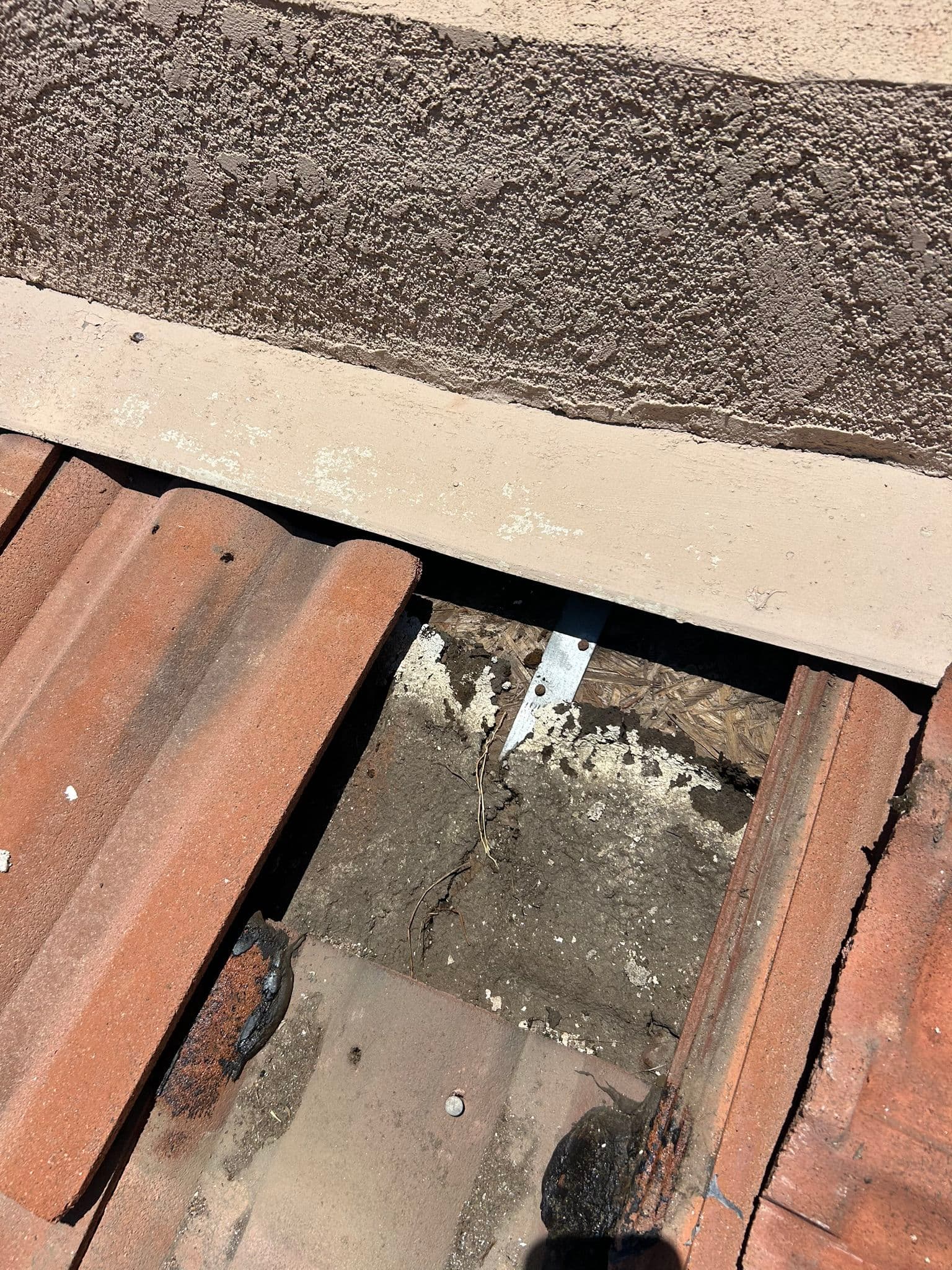
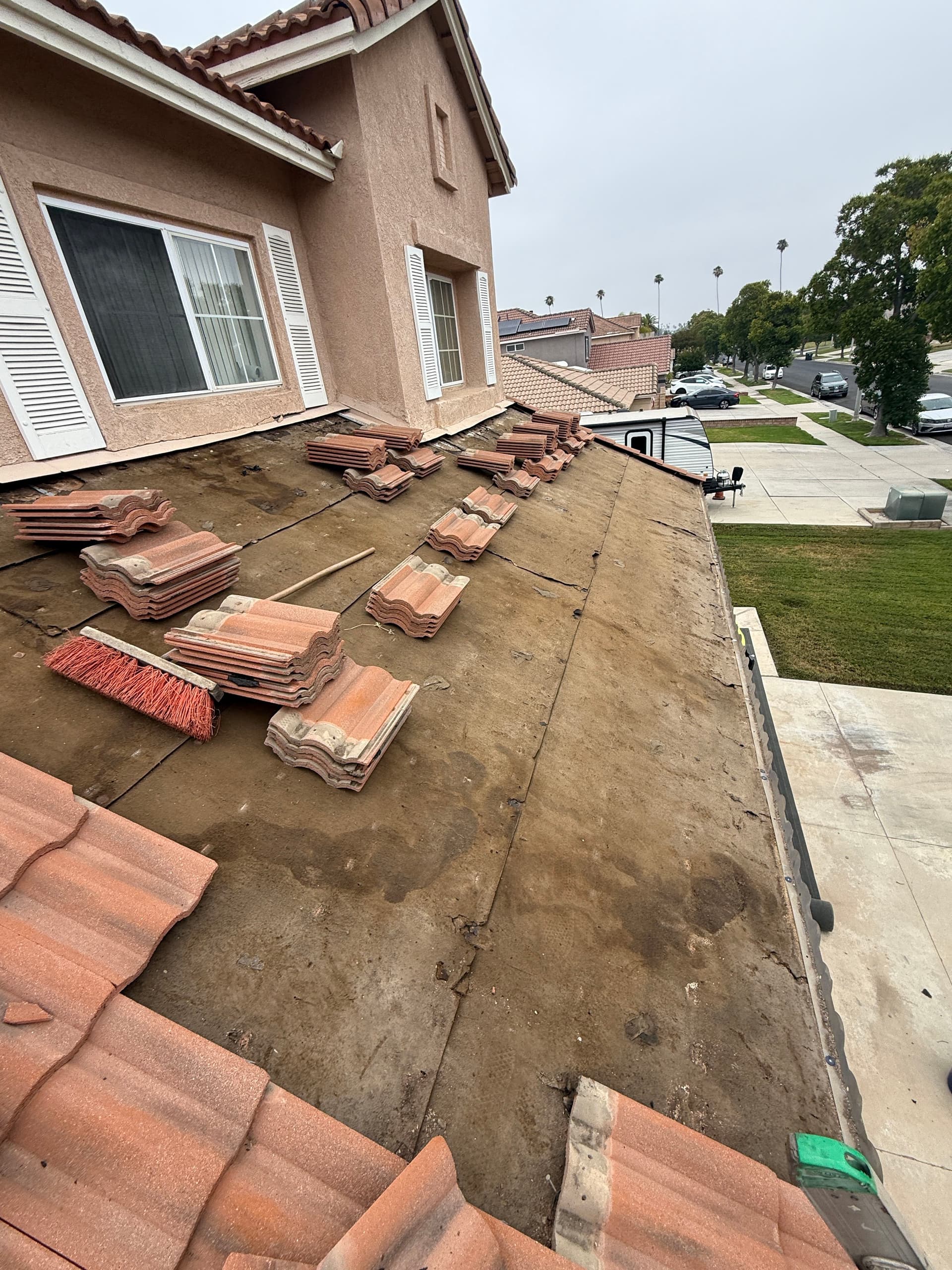
That's exactly what we ran into here. What looked like a minor issue at the tile-to-wall transition turned out to be much more involved once we started pulling tiles. Underneath, the underlayment had failed in a significant section - worn out, cracked, and no longer doing its job. The debris and deterioration visible once the tiles came off told the whole story. A simple patch at the surface would have masked the real problem without fixing it.
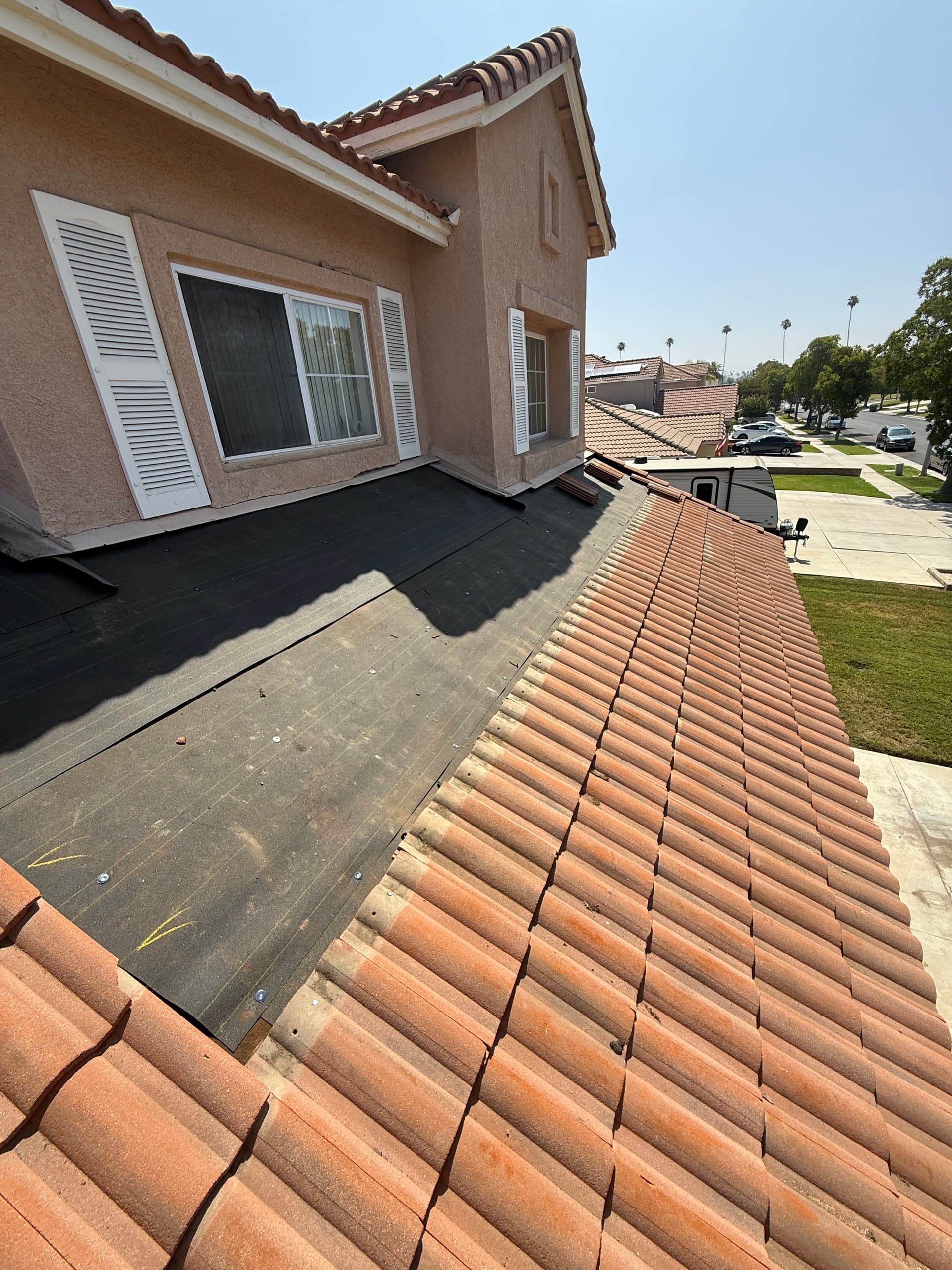
So we did it right. Tiles came off in sections, the old underlayment got stripped out, and fresh material went down before anything else. New felt paper, properly overlapped, gives the deck the protection it needs before a single tile goes back on. Then the tiles go back down in clean, consistent rows - reinstalled the way they were meant to be, with proper alignment and spacing throughout.
That's the difference between a patch job and an actual repair. One buys you a little time. The other addresses what's really happening under the surface. With tile roofing especially, the underlayment is doing most of the heavy lifting - the tiles shed water, but the membrane beneath is what keeps it out. Skip that step and you're just delaying the same problem.
If something looks off on your tile roof - a few loose tiles, a small leak, anything that seems minor - it's worth getting eyes on it before it turns into something bigger. The longer water sits under a damaged section, the more it spreads. We've seen it enough times to know that early action almost always saves money in the long run.