Why Silicone Sealing Is a Big Deal on Composition Roofs
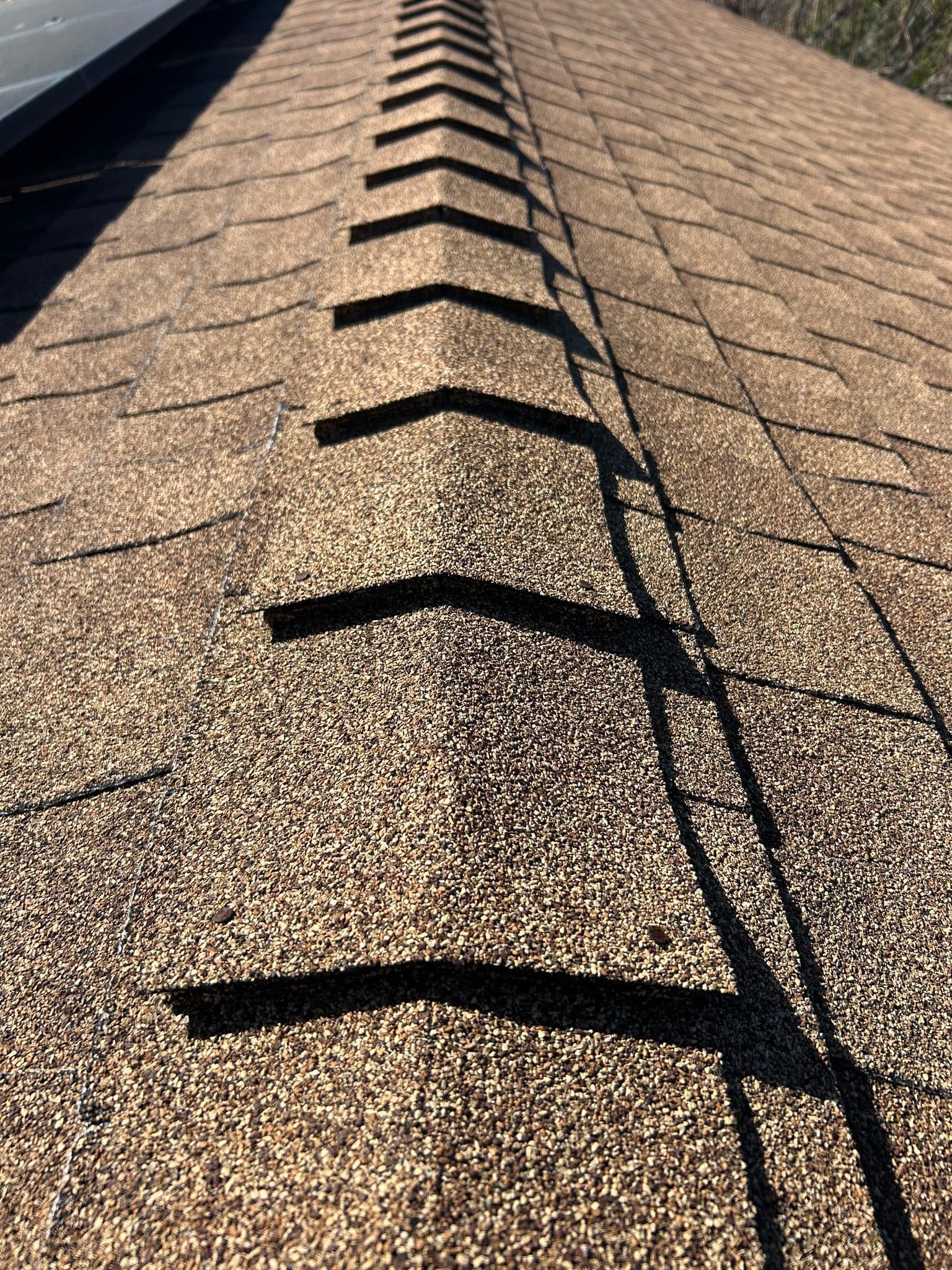
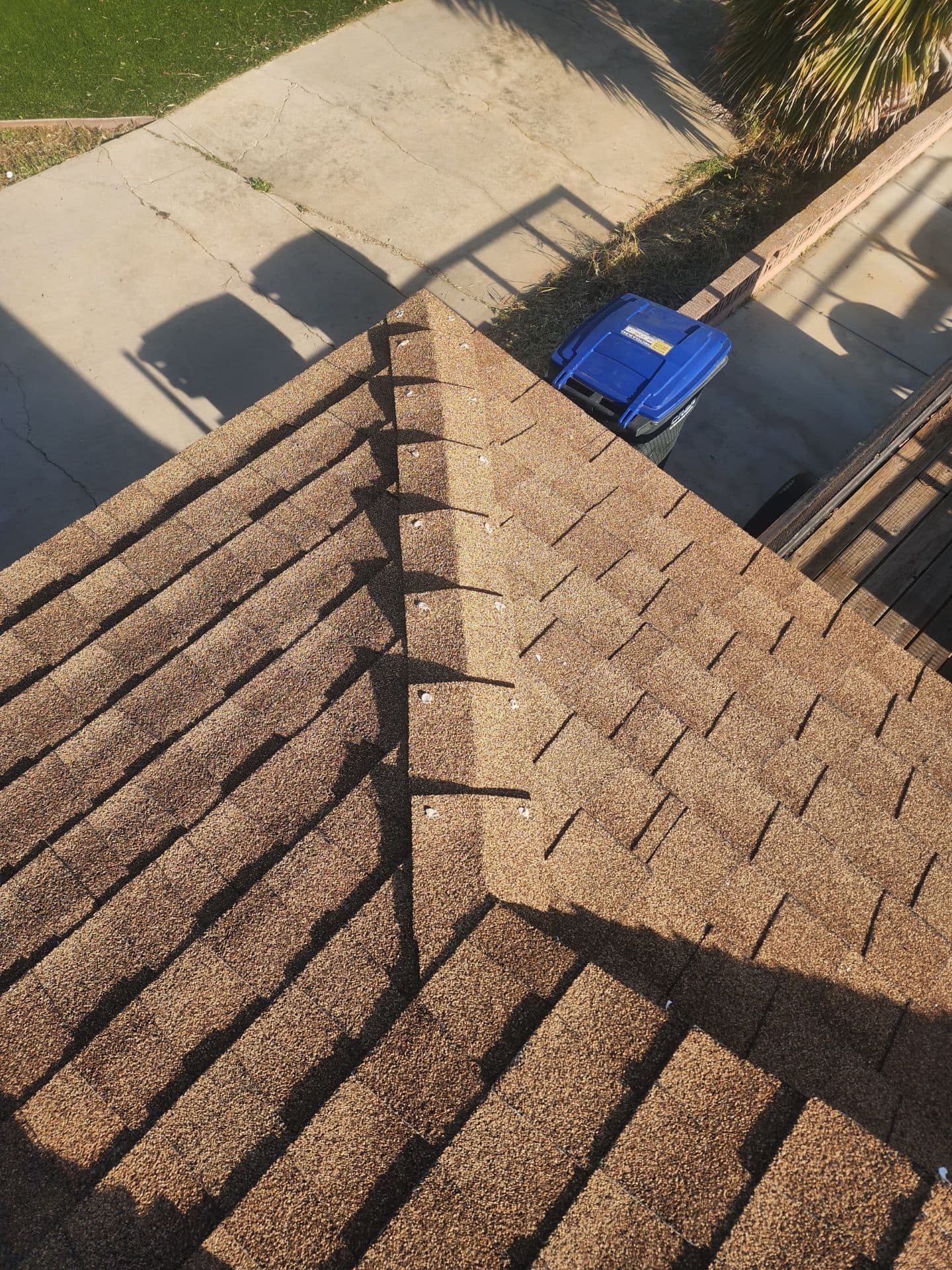
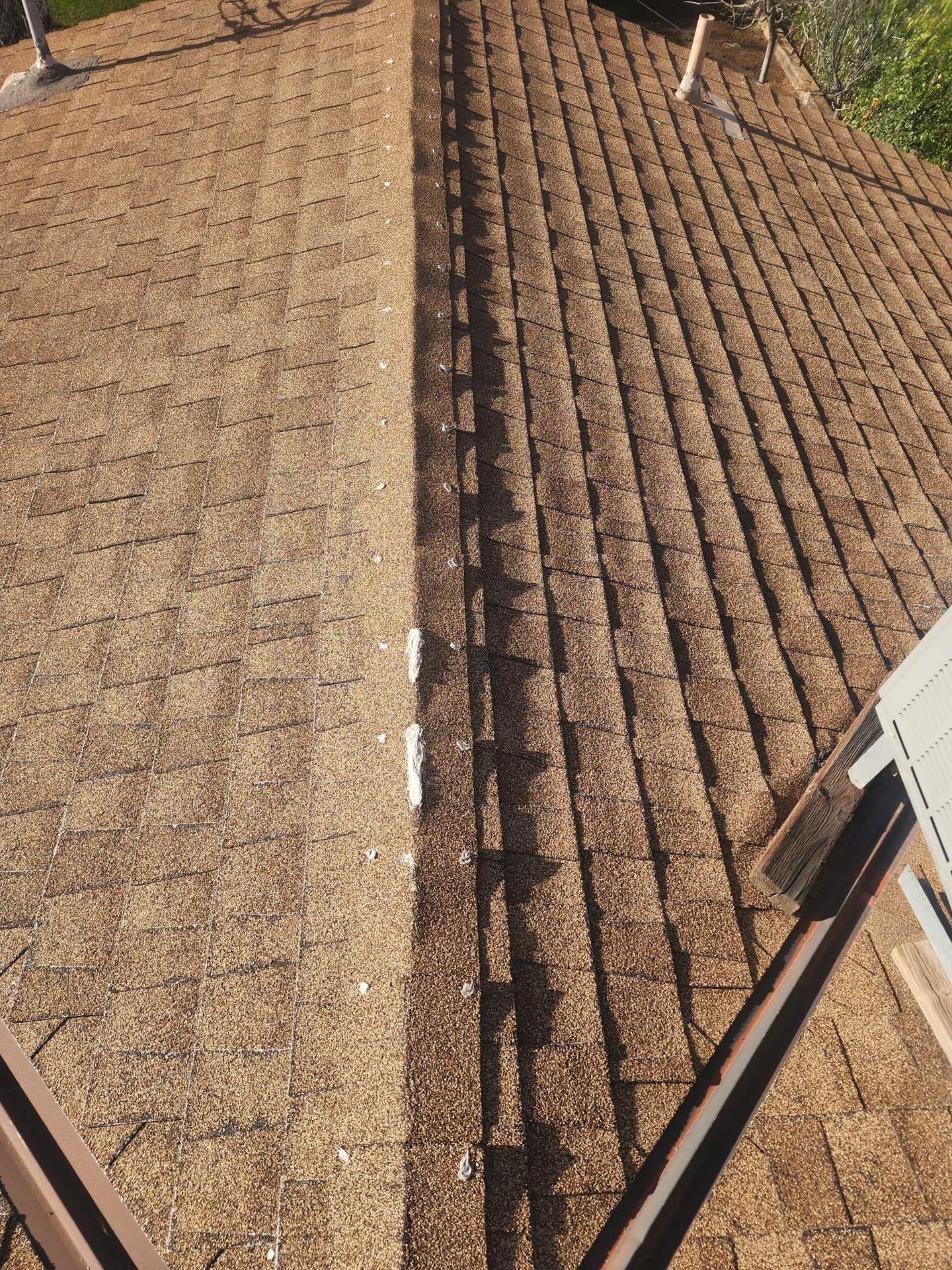
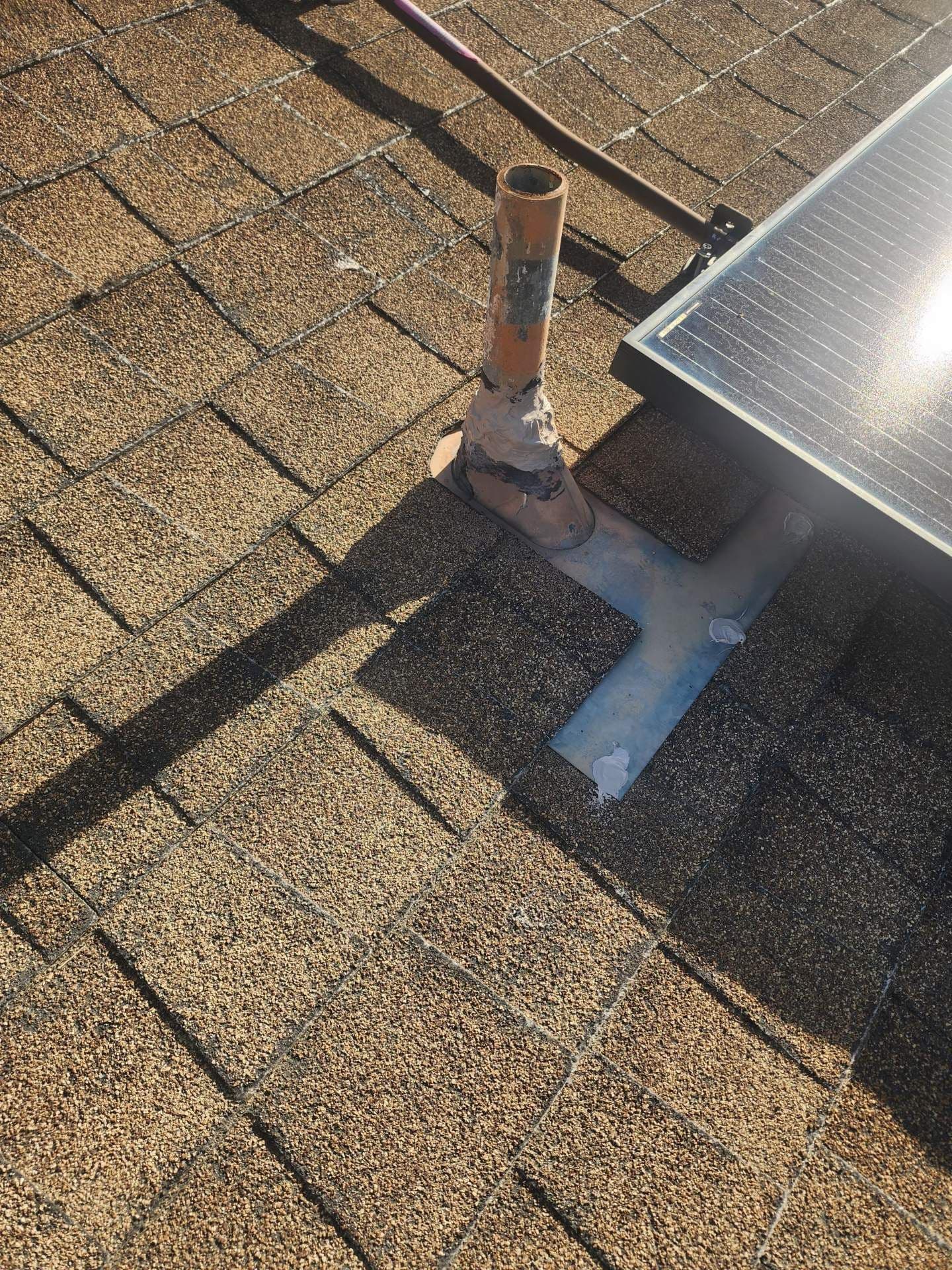
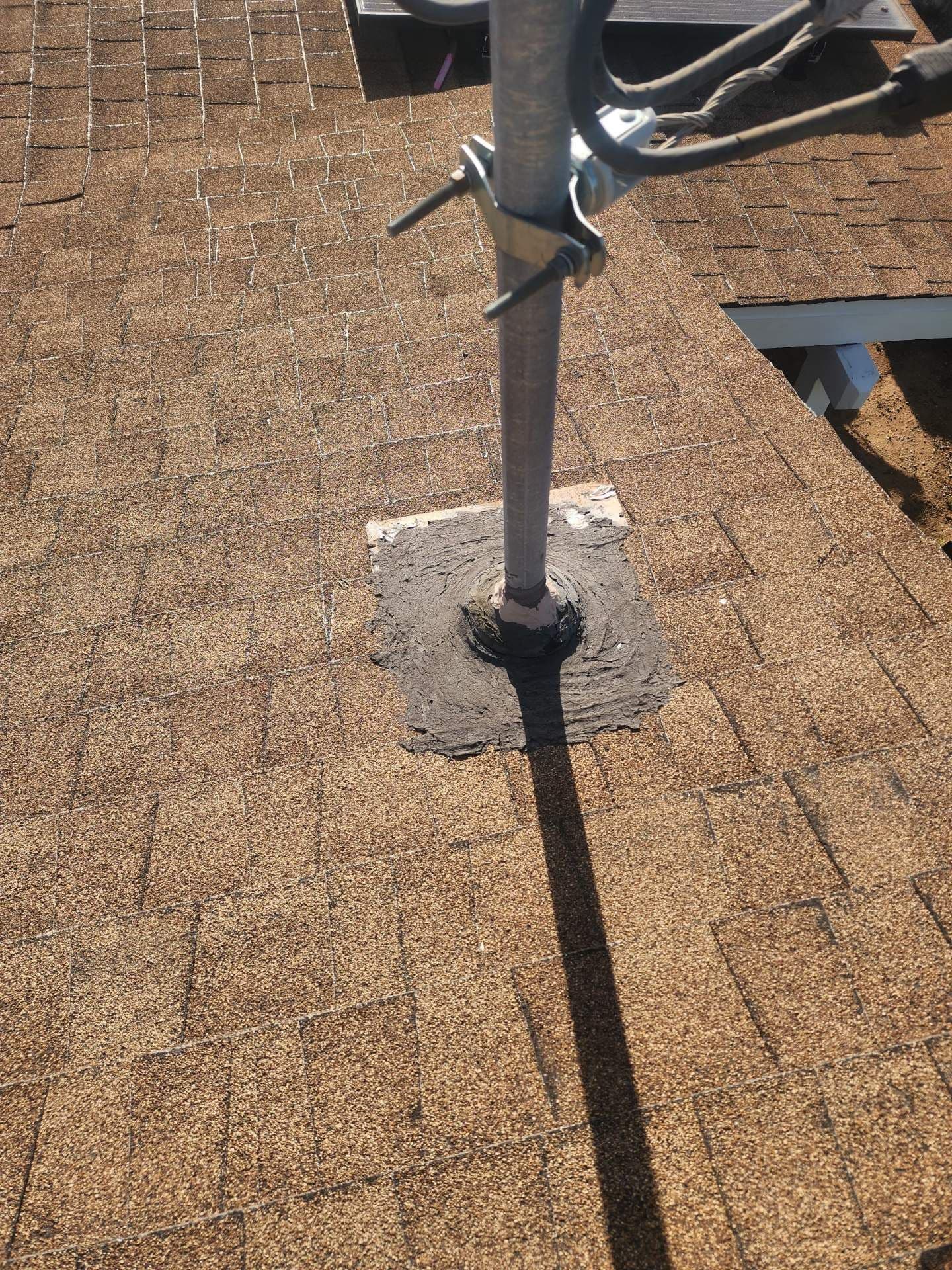
Most roof leaks don't start with a catastrophic failure. They start small - a dried-out boot around a plumbing pipe, a nail head that's lost its seal, a gap where flashing meets the shingle surface. These are the spots that get ignored until water is dripping through a ceiling.
That's exactly the kind of work we're talking about here. On composition roofs, silicone is one of the best tools we have for locking down the spots most likely to let water in. Around pipe penetrations, along flashing edges, and over any exposed fasteners - a proper bead of silicone applied correctly creates a watertight barrier that holds up against rain and heat.
The pipe boots and penetrations on this roof needed attention. Rubber and old tar-based sealants break down over time, especially on roofs that see a lot of sun exposure. Silicone is flexible, UV-resistant, and bonds well to both metal and asphalt surfaces - which is why it's our go-to for this kind of roof maintenance work. It's not glamorous, but it's the difference between a roof that holds up and one that quietly lets water in for months before anyone notices.
This is also a big reason we push roof inspections so hard. A trained eye can catch these small vulnerabilities before they turn into water damage, mold, or worse. Catching a deteriorated boot seal or an exposed nail during a routine inspection costs a fraction of what a water-damaged ceiling runs. It's that simple.