Why Small Tile Roof Issues Turn Into Big Water Damage
Most homeowners don't think twice about a loose or shifted tile. It looks minor. But here's the thing - water doesn't need much of an opening to start doing serious damage. Once it gets underneath the tile, it goes straight to work on the underlayment below.
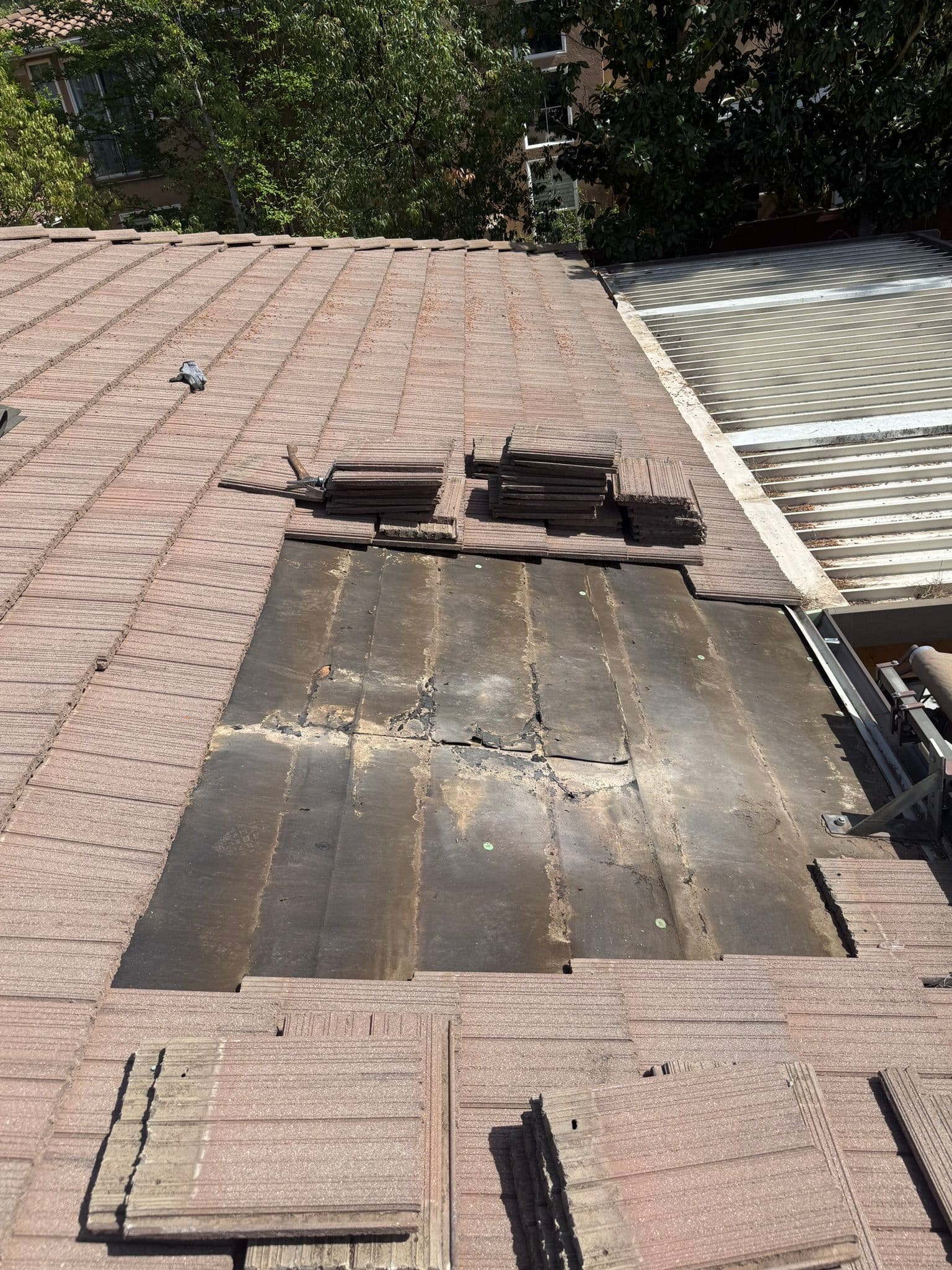
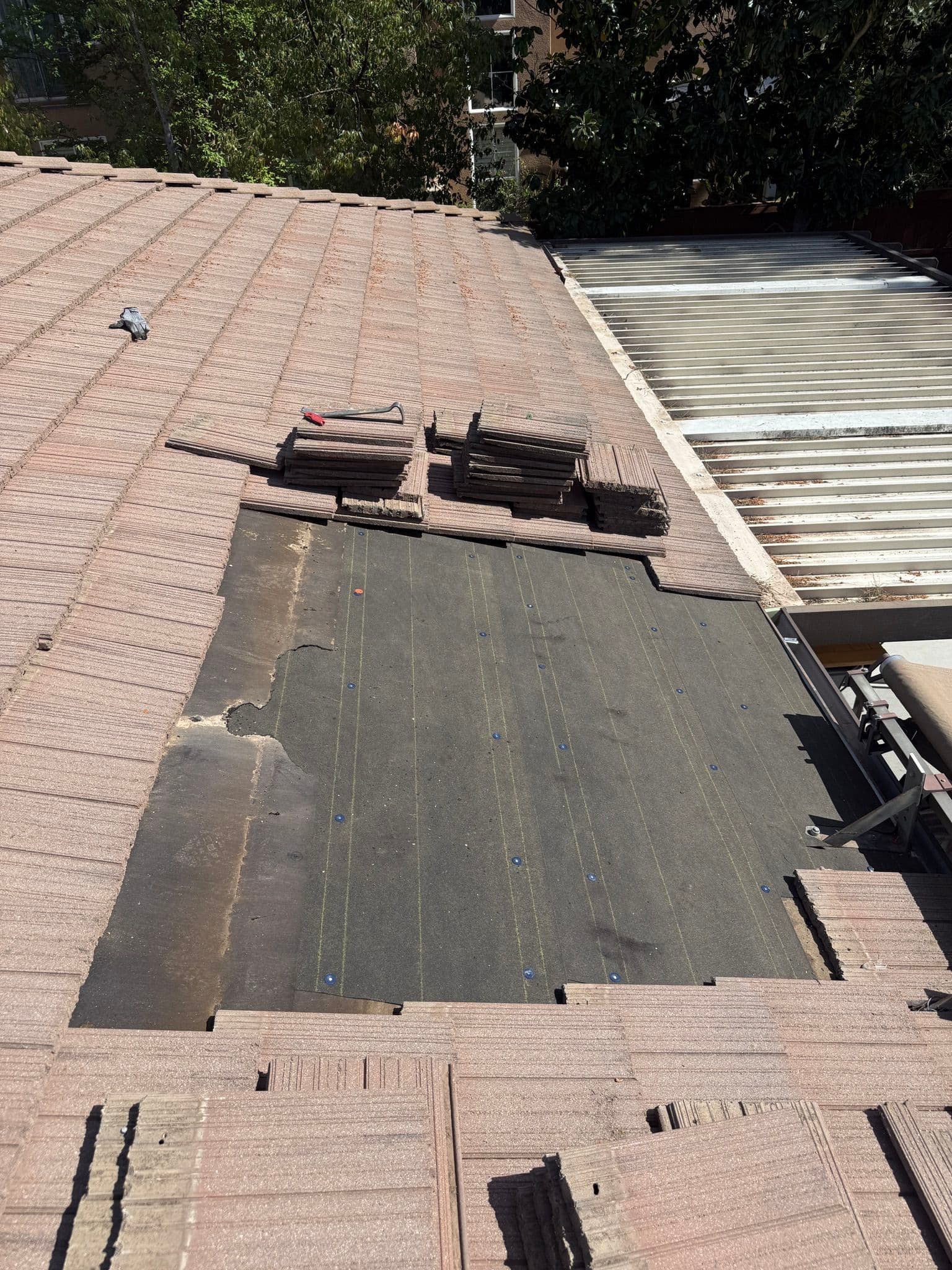
That's exactly what we were dealing with here. The old underlayment had taken on moisture over time and was visibly deteriorating - cracked, brittle, and no longer doing its job. Left alone, that's a direct path to leaks showing up inside the home. Ceiling stains, damaged insulation, rotted decking. None of it cheap to fix.
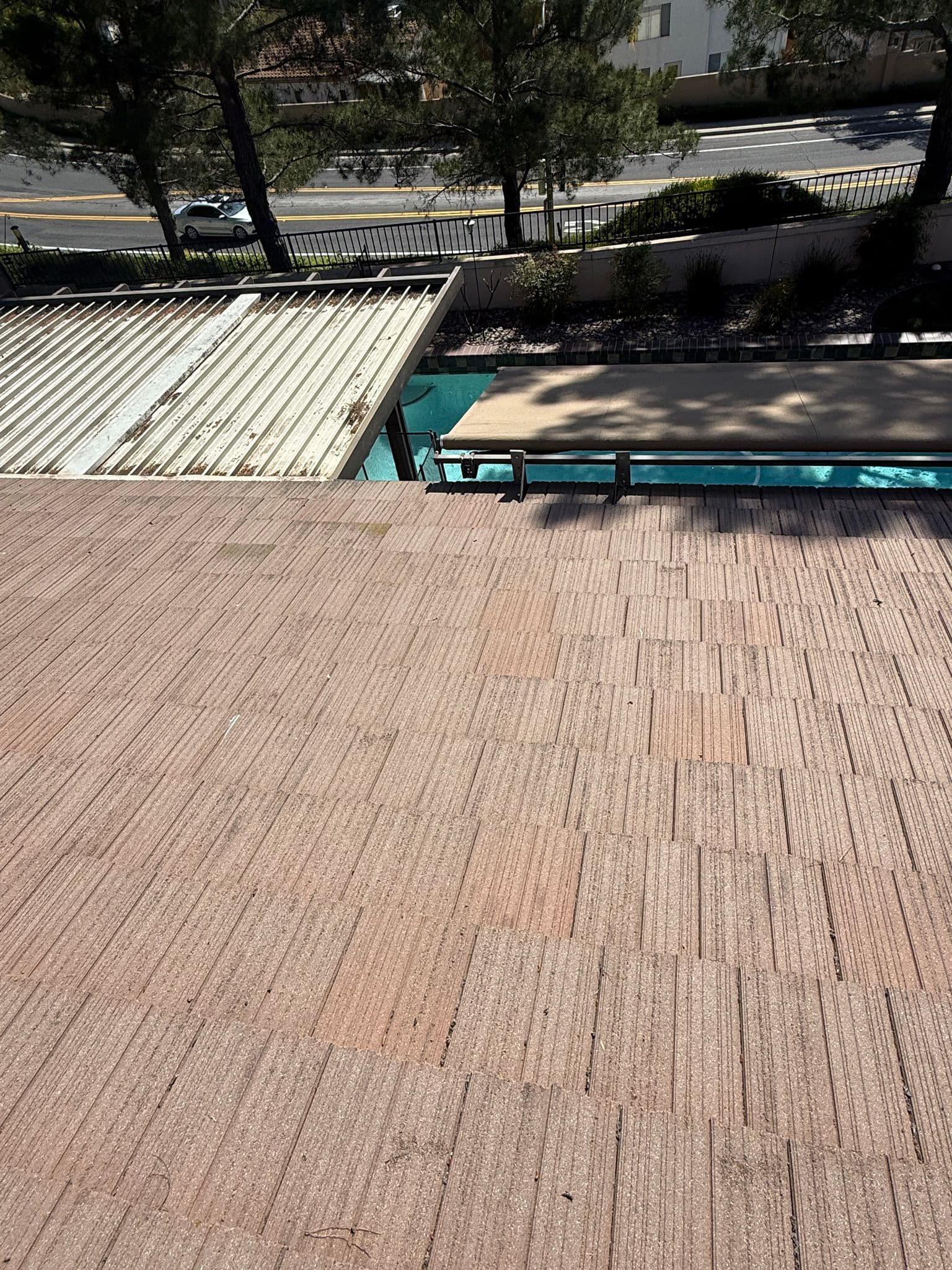
The right way to handle this isn't to patch over the problem. We pulled the tiles off the affected section, stripped out the worn underlayment, and installed fresh material - properly fastened and laid flat before anything goes back on top. Then the tiles get reset the right way. It's a straightforward process when you catch it early enough.
The difference between a targeted tile roof repair like this and a full roof replacement comes down to one thing - timing. Catching underlayment failure before it spreads keeps the scope of work manageable. Wait too long, and you're looking at a much bigger conversation.
Tile roofing is built to last, but the underlayment underneath it has a lifespan of its own. If your tile roof is getting up there in age, or if you've noticed anything shifting or out of place, it's worth having someone take a look before a small issue becomes a costly one.